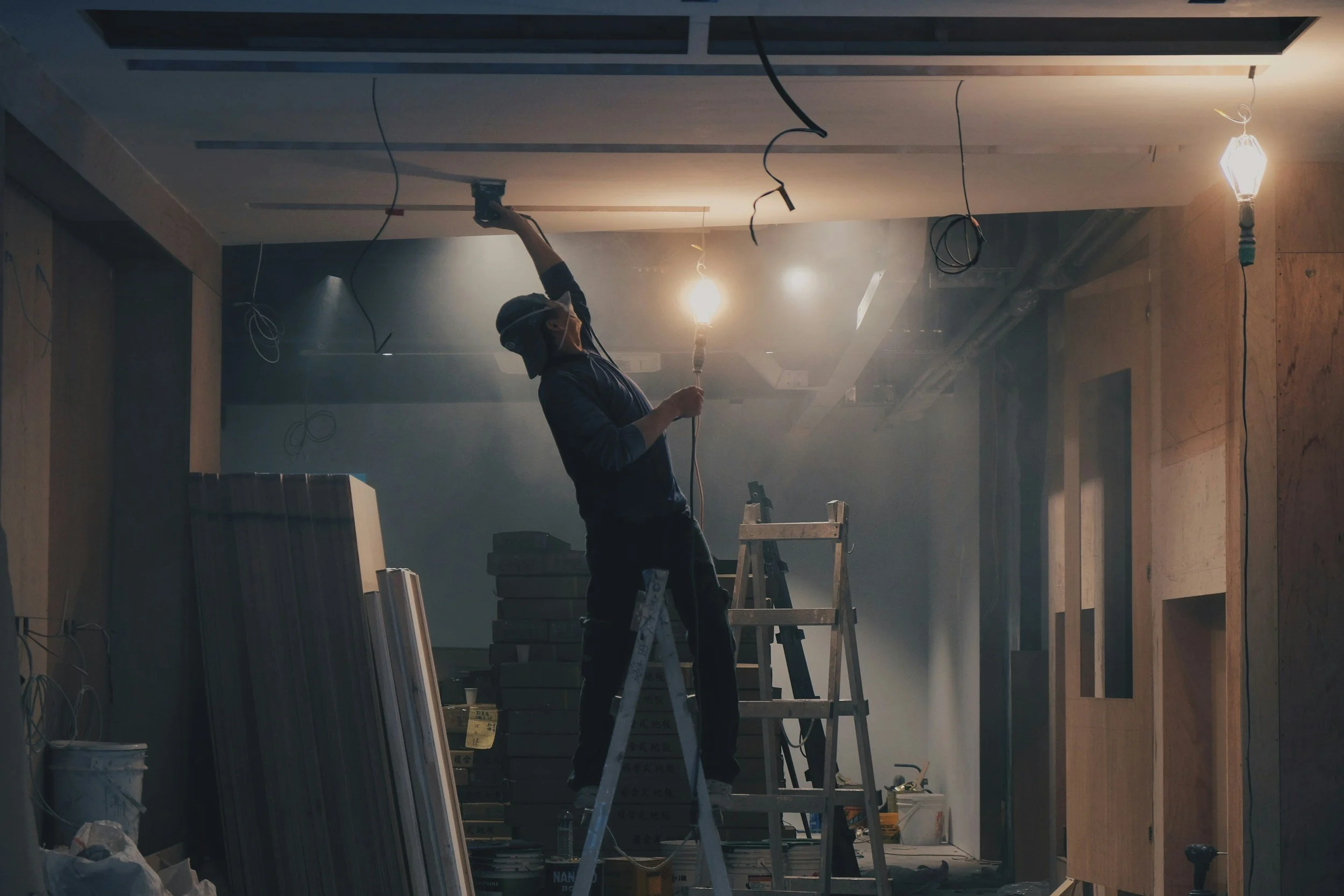
Ask anyone who has lived through a Charleston August with the doors open and a crew in the house, and they will tell you that timing is not a minor detail in a renovation. It affects how comfortable your home is while the work happens, how well materials behave once installed, and how realistic the schedule turns out to be. Spring gets most of the attention from homeowners planning projects, but for interior work specifically, fall is usually the better bet.
The reasons are practical rather than sentimental. Humidity drops, temperatures moderate, exterior trades free up, and the calendar gives you a natural runway toward the end of the year. If you have been putting off a kitchen, a primary bath or a whole-floor flooring replacement, this is the stretch of the year when the conditions, the trade availability and the planning window all line up at once. Here is what actually changes in the fall, which projects benefit most, and how to structure a start so the schedule holds.
What Changes When the Weather Turns
The single biggest factor is moisture. Lowcountry summers push indoor humidity high enough to affect how finishes cure and how wood behaves, and that matters more than most homeowners realize. Paint and stain dry more predictably in cooler, drier air. Adhesives set the way the manufacturer intended. Wood flooring, cabinetry and interior millwork all move with moisture content, and installing them when indoor conditions are closer to the home's year-round average means fewer gaps, fewer callbacks and less seasonal movement later.
There is also a comfort dimension that gets undersold. Interior renovation means doors propped open, dust containment, fans running and periods without conditioned air in the work zone. In July that is genuinely miserable. In October and November it is manageable, which means fewer disruptions, fewer stop-and-start days, and a household that can actually stay in place while the work proceeds. Our overview of indoor renovation projects that thrive in cooler weather goes deeper into which trades benefit most from that shift.
Then there is scheduling. Exterior work slows as the season turns, which frees up capacity across framing, painting and finish trades. That availability is real leverage for a homeowner with an interior scope ready to go.
Interior Projects Best Suited to a Fall Start
Not every scope benefits equally. The projects below are the ones where cooler, drier conditions do the most work in your favor, and where a fall start tends to produce a cleaner result than the same job run in midsummer.
Kitchen Renovations
Kitchens are the classic fall project because they combine long lead-time materials with finish work that rewards stable conditions. Cabinetry ordered in early fall typically arrives in time for a winter install, and paint, tile and countertop templating all go smoothly in moderate weather. If you are still shaping the scope, our roundup of kitchen renovation trends that combine style and functionality is a useful starting point for deciding what is worth the investment.
The tradeoff is kitchen downtime, which is why the planning sequence matters so much. A fall start with materials already ordered puts you in a far better position than a spring start where selections are still open.
Bathroom Remodels
Baths are dense with waterproofing, tile setting and grout curing, all of which prefer stable humidity. They are also contained enough that a household can usually absorb the disruption if there is a second bathroom available. Homeowners weighing fixtures and layout often find our notes on modern bathroom features to incorporate in new construction useful for translating wish lists into a buildable scope.
Flooring Replacement
Flooring is the project most sensitive to seasonal timing. Wood and engineered products need acclimation, and doing that in fall conditions means installing material at a moisture content close to where it will spend most of the year. That translates directly into tighter seams and less movement. If durability is the priority, our guide to durable and stylish flooring options for high-traffic areas covers how the material choice interacts with real household wear.
Interior Millwork and Built-Ins
Trim, paneling, built-in cabinetry and stair details are all wood-heavy and all benefit from cooler installation conditions. This category also tends to be the most flexible in terms of scheduling, which makes it a good candidate for filling gaps between larger phases of a project.
Paint and Finish Work
Painting is the easiest win. Lower humidity means better leveling, faster recoat windows and a more durable final film. Whole-interior repaints that would take weeks of weather-watching in summer move quickly in the fall.
Any of these can stand alone, but they also stack well. Sequencing flooring, millwork and paint in one continuous fall push is far more efficient than tackling them in three separate visits across a year.
How to Set Up a Fall Interior Renovation
A fall start only pays off if the front end is handled properly. The steps below are the ones that determine whether your project runs through the cooler months on schedule or slips into next year.
1. Define the Scope Before You Price It
Vague scopes produce vague numbers, and vague numbers produce change orders. Walk each room and write down what is actually changing: layout, fixtures, finishes, electrical, plumbing. Decide what is structural, what is cosmetic, and what you would cut if the budget tightened.
This exercise takes an afternoon and saves weeks. It also gives every bidder the same information, which is the only way to compare proposals meaningfully.
2. Establish the Budget Honestly
Set a working number that includes a contingency for what opens up behind the walls in an older Charleston home, because something usually does. Our approach to setting a realistic budget for your next home renovation walks through how to build that reserve without inflating the base scope.
A budget with room in it lets you make good decisions mid-project instead of reactive ones.
3. Lock In Long Lead-Time Selections First
Cabinetry, tile, stone, specialty windows and plumbing fixtures drive the schedule. Order those first, even if paint colors and hardware are still open. Nothing stalls a renovation faster than framing complete and cabinets six weeks out.
4. Confirm Permitting and Review Requirements
Interior work often needs less permitting than exterior, but not always, and Charleston-area historic districts add review layers that can surprise first-time renovators. Confirm what applies before you commit to a start date.
Building this into the timeline rather than discovering it midstream is the difference between a two-week delay and a two-month one.
5. Plan Where You Will Live
Decide up front whether you are staying in the home, relocating temporarily, or living in a partial house with a makeshift kitchen. Each choice has cost implications and each affects how the crew sequences work. Reading up on what to expect during the early phases of construction helps set realistic expectations for the noisiest, dustiest stretch.
6. Build the Schedule Backward From a Real Date
If you want the kitchen usable by a specific week, work backward from that date through inspection, finish, install, rough-in and demolition. Backward scheduling exposes the pinch points early, while there is still time to reorder something.
Handled in this order, a fall start typically means a project that finishes rather than a project that overwinters. The sequence is more important than the speed.
Working Around the Holidays
The one real complication of a fall interior renovation is the holiday stretch. Trade availability tightens in late November and December, material deliveries slow, and most homeowners want their house intact for at least part of it. That is a solvable problem, but only if you name it early.
In practice, there are two workable strategies. The first is to front-load the disruptive work: demolition, rough-in and inspections in September and October, so finish work lands in a quieter, cleaner phase around the holidays. The second is to plan a deliberate pause, with the project sequenced so the house is functional through a defined window and work resumes in January. Either approach beats hoping the calendar cooperates. You can see how phasing plays out in practice in our Charleston interior renovation case study, where sequencing decisions shaped the whole timeline.
Looking Past the Renovation
A fall interior project also puts you in a good position for the season that follows. Crews are already in the house, systems are exposed, and small envelope improvements are cheap to fold in while walls are open. Insulation touch-ups, air sealing, duct corrections and plumbing protection all cost a fraction of what they would as standalone work. Our guidance on winterizing your new construction or recently renovated home covers the items worth adding while access is easy.
Thinking one season ahead is what separates a renovation from a series of repairs. The best projects solve the visible problem and quietly fix two or three invisible ones at the same time.
Starting Your Project This Season
Fall is the strongest window of the year for interior renovation in the Lowcountry: humidity is down, finishes behave, trades are available, and the calendar gives you a real runway before the holidays. The homeowners who get the most out of it are the ones who use early fall for planning rather than waiting to start, because scope definition, budgeting and long lead-time ordering are what make a schedule hold. Everything else follows from those three decisions. For a broader look at seasonal timing, our post on preparing for fall as the best time to start renovation projects covers the wider picture.
If there is a room in your home you have been meaning to address, this is the season to move on it. Reach out to talk through your scope, your timeline and what is realistic between now and the new year, and we will tell you honestly whether a fall start or a January start serves the project better.
At Sidecar Construction, we're committed to delivering exceptional quality and service for all your construction needs. If you have any questions or are ready to start your next project, contact us today. Let's build something great together!