Durable and Stylish Flooring Options for High-Traffic Areas
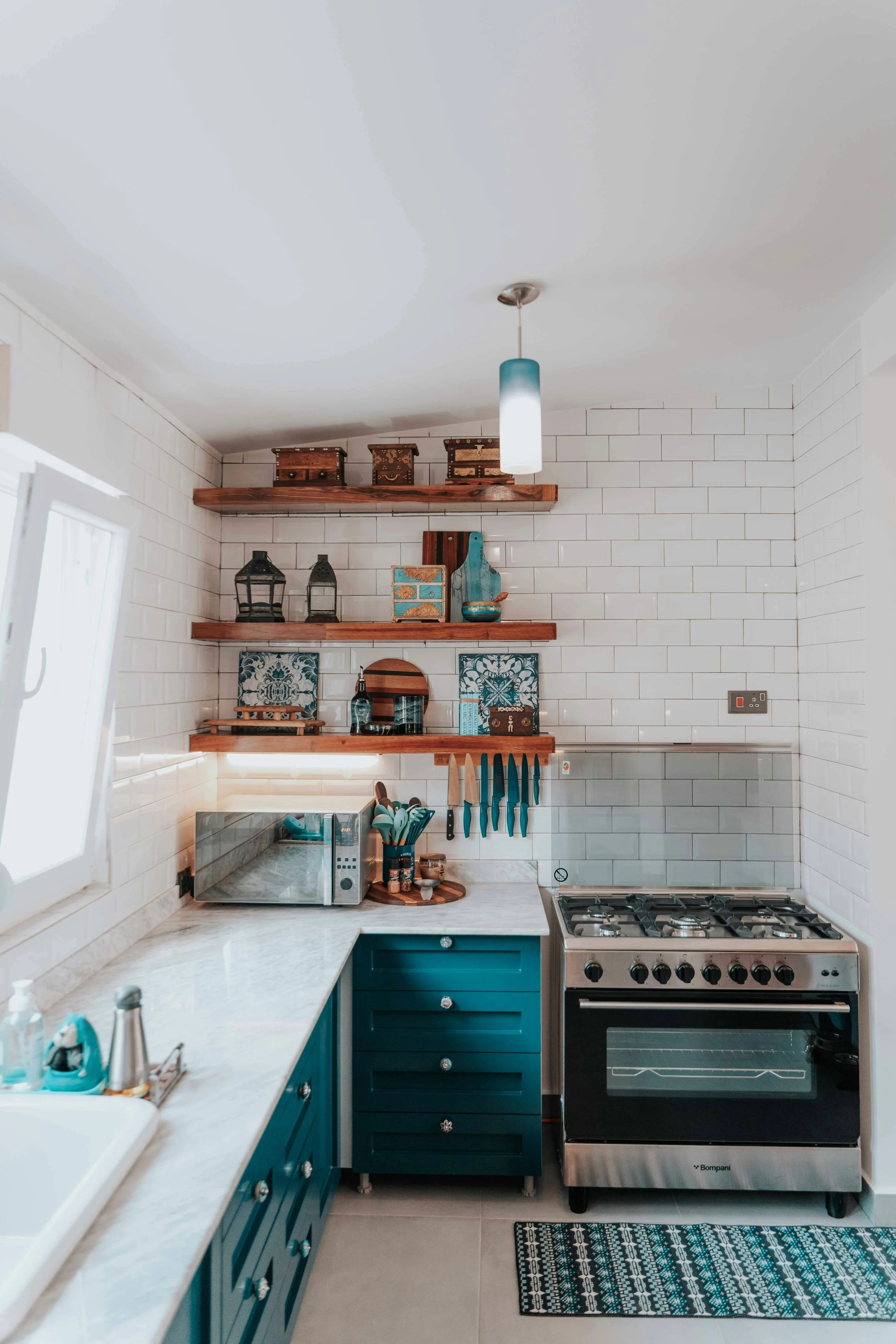
High-traffic areas in your home face a constant barrage of foot traffic, spills, scratches, and general wear that can quickly deteriorate inferior flooring materials. Whether you're dealing with busy entryways, bustling kitchens, active family rooms, or commercial spaces, selecting the right flooring requires careful consideration of both durability and aesthetic appeal. The key lies in understanding which materials can withstand heavy use while maintaining their beauty and functionality for years to come.
Modern flooring technology has revolutionized the options available for high-traffic areas, offering materials that were once considered unsuitable for heavy use but now provide exceptional performance. From luxury vinyl that perfectly mimics natural materials to engineered hardwood that offers the warmth of wood with enhanced durability, today's flooring choices allow you to achieve any design vision without sacrificing practicality.
Understanding High-Traffic Area Requirements
High-traffic areas present unique challenges that standard residential flooring may not be equipped to handle. These spaces require materials that can resist scratches from furniture movement, withstand moisture from spills and tracked-in weather, and maintain their appearance despite constant use. Additionally, maintenance considerations become crucial in busy areas where deep cleaning may be infrequent and quick cleanup is essential.
The definition of high-traffic varies depending on the space and its use. Residential entryways, kitchen areas, and family rooms typically see moderate to heavy use, while commercial spaces like offices, retail stores, and restaurants face extreme traffic conditions. Understanding your specific usage patterns helps determine which performance characteristics are most important for your flooring investment.
Beyond durability, high-traffic flooring must also consider safety factors like slip resistance, especially in areas prone to moisture. Sound absorption may be important in multi-story buildings or spaces where noise reduction is desired. These functional requirements must be balanced with aesthetic goals to create spaces that are both practical and visually appealing.
Top Durable Flooring Materials for Heavy Use
When selecting flooring for high-traffic areas, certain materials consistently outperform others in durability testing and real-world applications.
Luxury Vinyl Plank and Tile
Modern luxury vinyl has transformed from a budget alternative into a premium flooring option that rivals natural materials in appearance while exceeding them in durability and water resistance.
Porcelain and Ceramic Tile
These materials offer unmatched resistance to moisture, stains, and scratches, making them ideal for the most demanding high-traffic applications.
Engineered Hardwood
Engineered wood provides the beauty of traditional hardwood with enhanced stability and resistance to moisture and temperature fluctuations.
Polished Concrete
An increasingly popular choice for modern spaces, polished concrete offers industrial aesthetics with exceptional durability and low maintenance requirements.
Commercial-Grade Laminate
Advanced laminate products designed for commercial use provide excellent scratch and impact resistance while maintaining realistic wood and stone appearances.
These materials each offer unique advantages depending on your specific needs, budget, and design preferences.
Cost vs. Longevity Analysis
The initial cost of flooring materials tells only part of the story when evaluating options for high-traffic areas. A comprehensive cost analysis must consider the total cost of ownership, including installation, maintenance, and replacement cycles over the flooring's expected lifespan.
Luxury vinyl plank typically offers the best value proposition for high-traffic residential applications. While the initial cost may be higher than basic laminate or carpet, the extended lifespan, minimal maintenance requirements, and excellent performance characteristics often result in lower total costs over time. Professional installation ensures optimal performance and warranty coverage.
Porcelain tile represents a higher initial investment but can last decades with minimal maintenance in even the most demanding applications. The durability factor becomes especially important in commercial settings where replacement costs include not only materials and labor but also business disruption during installation.
Engineered hardwood falls into the premium category but offers refinishing options that can extend its lifespan significantly. In high-traffic areas, the ability to sand and refinish the surface every 10-15 years can make engineered wood competitive with other premium options over a 30-50 year period.
When evaluating costs, also consider the indirect benefits of choosing durable materials. Renovation projects that include high-quality flooring can significantly impact property values, often recovering a substantial portion of the investment in increased home value.
Installation Considerations for High-Traffic Areas
Proper installation becomes even more critical in high-traffic areas where subfloor preparation, moisture control, and expansion accommodation can make the difference between a flooring system that lasts decades and one that fails prematurely. Professional installation services ensure that all manufacturer specifications are followed and warranty requirements are met.
Subfloor preparation often requires additional steps in high-traffic areas. Concrete substrates may need moisture testing and sealing, while wood subfloors might require reinforcement or leveling compound to eliminate squeaks and movement. These preparatory steps add to the initial cost but are essential for long-term performance.
Moisture control becomes particularly important in areas like entryways and kitchens where water exposure is common. Vapor barriers, waterproof underlayments, and proper transition strips help protect the flooring system from moisture-related damage that could compromise the entire installation.
Expansion joint placement and transition planning require expertise to accommodate the natural movement of flooring materials while maintaining aesthetic continuity. Professional installers understand how different materials behave under varying temperature and humidity conditions, ensuring that installations remain stable and attractive over time.
Design Integration Strategies
Successfully integrating durable flooring into high-traffic areas requires thoughtful design planning that considers both immediate visual impact and long-term maintenance realities.
1. Pattern and Layout Optimization
Strategic pattern placement can help disguise wear patterns and maintain visual appeal even after years of heavy use.
2. Color Selection for Durability
Choosing colors and patterns that naturally camouflage dirt, scratches, and wear extends the apparent lifespan of flooring in busy areas.
3. Transition Zone Planning
Carefully planned transitions between different flooring types create visual continuity while allowing each area to use the most appropriate material.
4. Accent and Border Integration
Incorporating decorative borders or accent pieces adds visual interest while potentially hiding high-wear areas within the design.
5. Lighting Considerations
Proper lighting design can minimize the appearance of surface wear and enhance the natural beauty of durable flooring materials.
These design strategies ensure that practical flooring choices enhance rather than compromise your overall aesthetic vision.
Maintenance and Care Strategies
Even the most durable flooring requires appropriate maintenance to achieve its full lifespan potential in high-traffic areas. Developing a maintenance routine that fits your lifestyle and usage patterns helps preserve both appearance and performance over time.
Daily maintenance in high-traffic areas focuses on removing dirt and debris before it can cause scratches or embedding. Entrance mats, both inside and outside doorways, capture much of the dirt and moisture that would otherwise be tracked onto flooring surfaces. Regular sweeping or vacuuming prevents particles from acting as abrasives during foot traffic.
Weekly deep cleaning routines should be tailored to the specific flooring material. Luxury vinyl and tile can handle more aggressive cleaning solutions, while engineered hardwood requires pH-neutral products to avoid damaging protective finishes. Understanding the manufacturer's recommended cleaning procedures helps maintain warranty coverage and optimal appearance.
Long-term maintenance planning includes periodic professional cleaning, resealing of porous materials, and monitoring for signs that indicate the need for repairs or refinishing. Professional maintenance services can often identify and address minor issues before they become major problems, extending the effective lifespan of your flooring investment.
Commercial vs. Residential Applications
The performance requirements for high-traffic flooring vary significantly between residential and commercial applications, though many of the same materials can serve both markets with appropriate specifications and installation techniques.
Commercial applications typically demand higher performance ratings for everything from slip resistance and fire safety to impact resistance and maintenance frequency. Materials that perform well in residential high-traffic areas may require upgraded versions or enhanced installation methods to meet commercial building codes and usage expectations.
However, the gap between residential and commercial flooring performance has narrowed considerably as manufacturers develop products that meet commercial standards while maintaining residential aesthetics. This convergence allows homeowners to access commercial-grade performance in their most demanding spaces without compromising design flexibility.
Understanding the performance ratings and certifications relevant to your application helps ensure that you're selecting materials appropriate for your specific usage requirements. Commercial-grade options often provide the ultimate in durability for residential applications where maximum performance is desired.
Making the Right Choice for Your Project
Selecting the optimal flooring for high-traffic areas requires balancing multiple factors, including durability requirements, aesthetic preferences, budget constraints, and maintenance capabilities. The best choice for your project depends on understanding how these factors interact within your specific situation.
Working with experienced professionals during the selection process helps ensure that all relevant factors are considered and that your chosen flooring system will perform as expected throughout its intended lifespan. Sidecar Construction's team can provide guidance on material selection, installation requirements, and long-term maintenance planning to help you make an informed decision.
Consider starting with a comprehensive assessment of your space's specific requirements, usage patterns, and performance expectations. This foundation makes it easier to evaluate different options and select materials that will provide the best combination of durability, beauty, and value for your high-traffic areas.
Ready to upgrade your high-traffic areas with flooring that combines durability and style? Contact our team to explore the best flooring solutions for your specific needs and discover how professional installation can maximize your investment's performance and longevity.
At Sidecar Construction, we're committed to delivering exceptional quality and service for all your construction needs. If you have any questions or are ready to start your next project, contact us today. Let's build something great together!