Winterizing Your New Construction or Recently Renovated Home
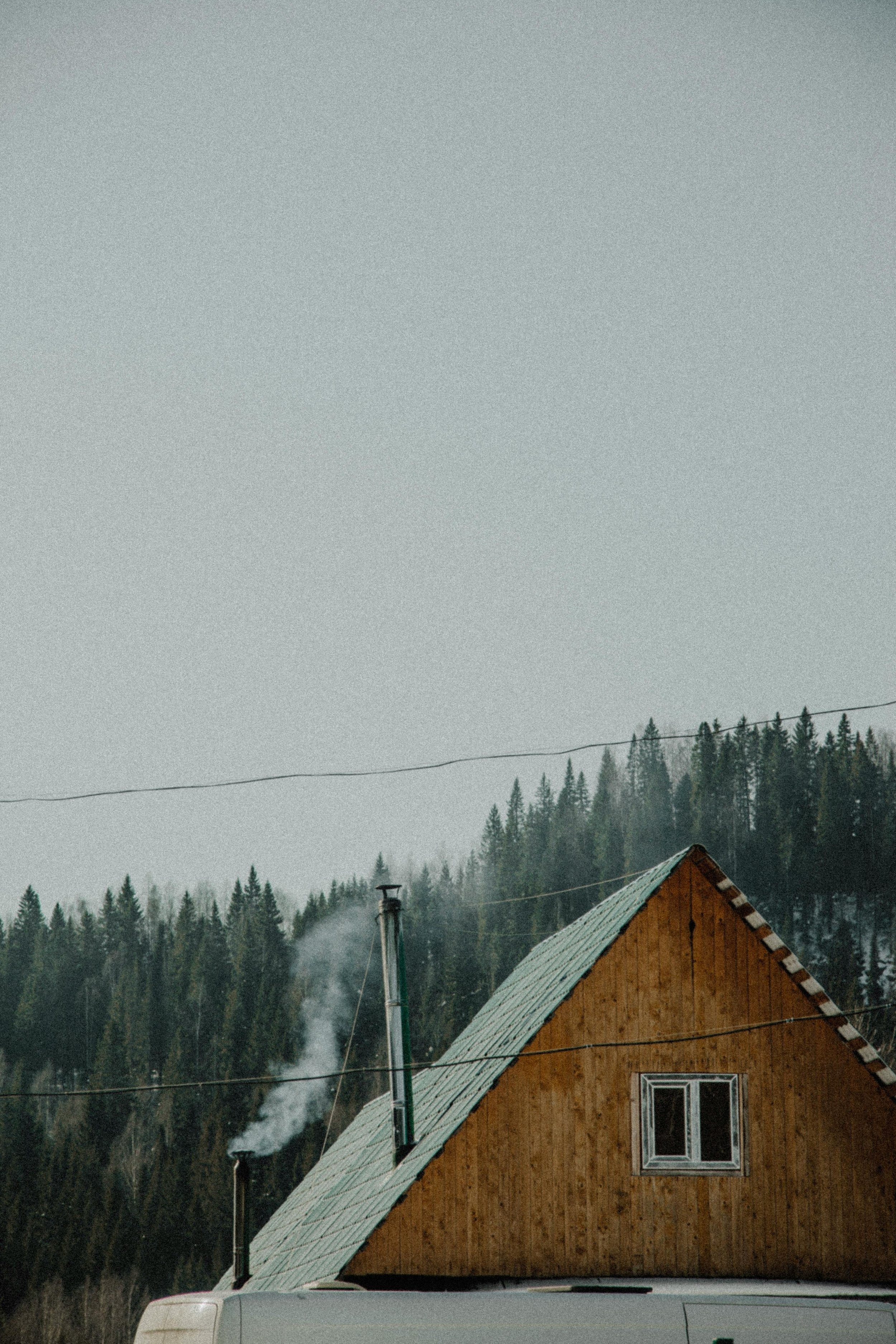
Whether you've just completed a new construction project or finished a major renovation, winterizing your home is crucial for protecting your investment and ensuring optimal performance during the cold months ahead. New construction and recently renovated homes have unique winterization needs that differ from established homes, requiring special attention to systems that haven't yet been tested by seasonal weather changes. Proper preparation now can prevent costly damage, improve energy efficiency, and ensure your family stays comfortable throughout winter.
The first winter in a new or newly renovated home often reveals areas that need attention, from settling issues to system adjustments that weren't apparent during construction. By taking proactive steps to prepare your home for winter conditions, you can address potential problems before they become serious issues and establish maintenance routines that will serve you well for years to come.
Understanding Your Home's Winter Vulnerabilities
New construction and recently renovated homes face distinct challenges during their first winter season. Building materials may still be settling, potentially creating small gaps or shifts that weren't present during construction. New systems like HVAC, plumbing, and electrical haven't been thoroughly tested under extreme conditions, making it important to monitor their performance closely as temperatures drop.
Recently installed insulation systems may need time to achieve optimal performance, and any installation gaps or compression issues won't become apparent until the heating system is working regularly. New windows and doors may require adjustment as the building settles, and weather stripping might need attention after initial shrinkage and expansion cycles.
Understanding these vulnerabilities helps you focus your winterization efforts on the areas most likely to need attention. Regular monitoring during the first winter season allows you to identify and address issues quickly, preventing minor problems from becoming major expenses.
Essential Roof and Gutter Preparation
Your roof system represents your home's primary defense against winter weather, making proper preparation absolutely critical for new construction and renovated homes. Professional roof inspection becomes especially important for new installations that haven't yet been tested by severe weather conditions.
New roofing systems require careful attention to flashing, ventilation, and drainage systems that may need minor adjustments after installation. Check all roof penetrations, including vents, chimneys, and skylights, for proper sealing, as these areas are most vulnerable to water infiltration during freeze-thaw cycles. Ice dam prevention starts with ensuring adequate attic insulation and ventilation, which may need fine-tuning after initial installation.
Gutter systems in new construction should be thoroughly cleaned of any construction debris and tested for proper drainage before winter weather arrives. New gutters may need minor slope adjustments to ensure optimal water flow, and downspout extensions should be positioned to direct water away from the foundation. Consider installing gutter guards during this first season to prevent debris accumulation and reduce maintenance requirements going forward.
For recently renovated homes, pay special attention to areas where new roofing meets existing systems. These transition zones often require additional sealing or flashing to prevent water infiltration during winter storms.
Critical System Winterization Steps
Your home's mechanical systems require special attention during the first winter season to ensure they operate efficiently and reliably throughout the cold months.
Heating System Optimization
New HVAC systems need professional commissioning to ensure all components are working together properly and efficiently for optimal winter performance.
Plumbing Protection
Newly installed plumbing systems require pipe insulation in vulnerable areas and testing of all shut-off valves to ensure they function properly in emergency situations.
Electrical System Safety
Recently installed electrical systems should be inspected for proper operation of all circuits, especially those serving exterior outlets and heating equipment.
Ventilation System Balance
New construction often requires ventilation system balancing to ensure proper air circulation and prevent moisture buildup that can lead to winter condensation problems.
Water Heater Efficiency Check
New or recently serviced water heaters should be tested for proper temperature settings and safety features before increased winter demand.
These system checks help identify any installation issues or adjustments needed before winter weather places additional demands on your home's infrastructure.
Sealing and Insulation Verification
Even newly constructed homes can have air leaks and insulation gaps that become apparent only when heating systems are working hard during cold weather. Conducting a thorough sealing inspection helps identify areas where conditioned air might be escaping or cold air infiltrating your home.
Focus on areas where different building materials meet, such as where siding connects to foundation, around window and door frames, and at exterior wall penetrations for utilities. New caulking and weather stripping may shrink or shift during the first few months, creating gaps that need attention before winter arrives.
Attic insulation should be inspected for proper coverage and depth, particularly around areas that may have been disturbed during construction or renovation work. Blown-in insulation can settle over time, creating thin spots that reduce energy efficiency. Professional insulation assessment can identify these areas and recommend improvements.
Basement and crawl space insulation requires special attention in new construction, as these areas are often completed late in the building process and may not have received adequate quality control inspection. Proper vapor barrier installation and insulation placement are crucial for preventing moisture problems and maintaining energy efficiency.
Exterior Protection and Maintenance
The exterior envelope of your new or renovated home needs protection from winter weather conditions that can cause both immediate damage and long-term deterioration. Professional exterior preparation ensures all systems are ready for seasonal weather challenges.
New siding, trim, and exterior finishes may need final touch-ups or adjustments before winter weather arrives. Small gaps or imperfections that seemed minor during construction can become entry points for moisture and cold air during severe weather. Caulking around exterior fixtures, trim joints, and utility penetrations should be inspected and refreshed as needed.
Window and door systems in new construction should be tested for proper operation and weather sealing. Adjustment mechanisms may need fine-tuning after initial settling, and weather stripping might require replacement if it has compressed or shifted during the first few months of use.
Exterior painting and finishing work should be completed well before winter weather arrives, as cold temperatures and moisture can prevent proper curing of protective coatings. Any touch-up work needed after construction should be prioritized to ensure full protection is in place.
Interior Climate Control Optimization
Achieving optimal indoor comfort and efficiency during winter requires fine-tuning systems and settings that may not have been fully optimized during construction or renovation. New homes often need system balancing and adjustments after the first few months of operation.
1. Temperature Zone Optimization
Multi-zone heating systems in new construction require programming and balancing to ensure even temperature distribution throughout the home.
2. Humidity Control Management
New construction materials release moisture as they cure, requiring careful humidity monitoring and control during the first winter season.
3. Air Circulation Enhancement
Ceiling fans and ventilation systems may need directional adjustments for winter operation to optimize air circulation and energy efficiency.
4. Smart Thermostat Programming
New programmable thermostats should be configured for winter schedules and occupancy patterns to maximize efficiency and comfort.
5. Indoor Air Quality Monitoring
New construction materials and finishes may continue to off-gas during the first winter, making air quality monitoring and ventilation especially important.
These optimizations help ensure your home's climate control systems operate efficiently while maintaining healthy indoor air quality throughout the winter season.
Emergency Preparedness and System Monitoring
New construction and recently renovated homes benefit from establishing emergency preparedness routines and monitoring systems before winter weather arrives. Understanding your home's systems and knowing how to respond to common winter problems can prevent minor issues from becoming major emergencies.
Create a winter emergency kit that includes locations of main water shut-offs, electrical panels, and heating system controls. New homeowners should understand how to safely shut off utilities in case of emergencies and know when to call professionals for system problems. Keep contact information for your construction team and utility companies readily available.
System monitoring becomes especially important during the first winter when new equipment is being tested under full load conditions. Unusual noises, temperature fluctuations, or performance changes should be documented and investigated promptly. Many issues that arise during the first winter are covered under construction warranties, but only if they're identified and reported in a timely manner.
Consider installing leak detection systems and freeze alarms in vulnerable areas like basements, crawl spaces, and areas with new plumbing installations. These early warning systems can alert you to problems before they cause significant damage to your new investment.
Working with Your Construction Team
Sidecar Construction's approach to winterization support extends beyond project completion, providing guidance and assistance to help homeowners protect their investment during the critical first winter season. Our team understands that new construction and renovation projects require ongoing attention as systems settle and perform under real-world conditions.
We provide detailed winterization checklists specific to your project's unique features and systems, helping you prioritize tasks and understand what to monitor throughout the winter months. Our warranty coverage includes addressing issues that arise from normal settling and system adjustments during the first year, giving you confidence that your investment is protected.
Professional follow-up inspections during the first winter season help identify any adjustments needed and ensure all systems are performing as designed. This proactive approach prevents minor issues from becoming major problems and helps establish maintenance routines that will preserve your home's value and performance for years to come.
Long-Term Winter Preparedness
Establishing effective winterization routines during your first season creates habits that will serve you well throughout your home's lifespan. Document what works well and what needs attention, creating a personalized winterization checklist for future years.
Consider the lessons learned during your first winter when planning future improvements or upgrades. Areas that required extra attention or showed unexpected wear patterns may benefit from enhanced materials or system modifications during future renovation projects.
Conclusion
Winterizing your new construction or recently renovated home requires attention to details that may not be obvious but can make the difference between a comfortable, efficient winter and one filled with problems and unexpected expenses. By taking a systematic approach to preparation, monitoring system performance, and working with experienced professionals, you can protect your investment while ensuring your family enjoys optimal comfort throughout the winter season.
The effort invested in proper winterization pays dividends in reduced energy costs, prevented damage, and peace of mind knowing your home is prepared for whatever winter weather brings. Ready to winterize your new or renovated home? Contact our experienced team to develop a comprehensive winterization plan that protects your investment and ensures optimal performance all season long.
Whether you've just completed a new construction project or finished a major renovation, winterizing your home is crucial for protecting your investment and ensuring optimal performance during the cold months ahead. New construction and recently renovated homes have unique winterization needs that differ from established homes, requiring special attention to systems that haven't yet been tested by seasonal weather changes. Proper preparation now can prevent costly damage, improve energy efficiency, and ensure your family stays comfortable throughout winter.
The first winter in a new or newly renovated home often reveals areas that need attention, from settling issues to system adjustments that weren't apparent during construction. By taking proactive steps to prepare your home for winter conditions, you can address potential problems before they become serious issues and establish maintenance routines that will serve you well for years to come.
Understanding Your Home's Winter Vulnerabilities
New construction and recently renovated homes face distinct challenges during their first winter season. Building materials may still be settling, potentially creating small gaps or shifts that weren't present during construction. New systems like HVAC, plumbing, and electrical haven't been thoroughly tested under extreme conditions, making it important to monitor their performance closely as temperatures drop.
Recently installed insulation systems may need time to achieve optimal performance, and any installation gaps or compression issues won't become apparent until the heating system is working regularly. New windows and doors may require adjustment as the building settles, and weather stripping might need attention after initial shrinkage and expansion cycles.
Understanding these vulnerabilities helps you focus your winterization efforts on the areas most likely to need attention. Regular monitoring during the first winter season allows you to identify and address issues quickly, preventing minor problems from becoming major expenses.
Essential Roof and Gutter Preparation
Your roof system represents your home's primary defense against winter weather, making proper preparation absolutely critical for new construction and renovated homes. Professional roof inspection becomes especially important for new installations that haven't yet been tested by severe weather conditions.
New roofing systems require careful attention to flashing, ventilation, and drainage systems that may need minor adjustments after installation. Check all roof penetrations, including vents, chimneys, and skylights, for proper sealing, as these areas are most vulnerable to water infiltration during freeze-thaw cycles. Ice dam prevention starts with ensuring adequate attic insulation and ventilation, which may need fine-tuning after initial installation.
Gutter systems in new construction should be thoroughly cleaned of any construction debris and tested for proper drainage before winter weather arrives. New gutters may need minor slope adjustments to ensure optimal water flow, and downspout extensions should be positioned to direct water away from the foundation. Consider installing gutter guards during this first season to prevent debris accumulation and reduce maintenance requirements going forward.
For recently renovated homes, pay special attention to areas where new roofing meets existing systems. These transition zones often require additional sealing or flashing to prevent water infiltration during winter storms.
Critical System Winterization Steps
Your home's mechanical systems require special attention during the first winter season to ensure they operate efficiently and reliably throughout the cold months.
Heating System Optimization
New HVAC systems need professional commissioning to ensure all components are working together properly and efficiently for optimal winter performance.
Plumbing Protection
Newly installed plumbing systems require pipe insulation in vulnerable areas and testing of all shut-off valves to ensure they function properly in emergency situations.
Electrical System Safety
Recently installed electrical systems should be inspected for proper operation of all circuits, especially those serving exterior outlets and heating equipment.
Ventilation System Balance
New construction often requires ventilation system balancing to ensure proper air circulation and prevent moisture buildup that can lead to winter condensation problems.
Water Heater Efficiency Check
New or recently serviced water heaters should be tested for proper temperature settings and safety features before increased winter demand.
These system checks help identify any installation issues or adjustments needed before winter weather places additional demands on your home's infrastructure.
Sealing and Insulation Verification
Even newly constructed homes can have air leaks and insulation gaps that become apparent only when heating systems are working hard during cold weather. Conducting a thorough sealing inspection helps identify areas where conditioned air might be escaping or cold air infiltrating your home.
Focus on areas where different building materials meet, such as where siding connects to foundation, around window and door frames, and at exterior wall penetrations for utilities. New caulking and weather stripping may shrink or shift during the first few months, creating gaps that need attention before winter arrives.
Attic insulation should be inspected for proper coverage and depth, particularly around areas that may have been disturbed during construction or renovation work. Blown-in insulation can settle over time, creating thin spots that reduce energy efficiency. Professional insulation assessment can identify these areas and recommend improvements.
Basement and crawl space insulation requires special attention in new construction, as these areas are often completed late in the building process and may not have received adequate quality control inspection. Proper vapor barrier installation and insulation placement are crucial for preventing moisture problems and maintaining energy efficiency.
Exterior Protection and Maintenance
The exterior envelope of your new or renovated home needs protection from winter weather conditions that can cause both immediate damage and long-term deterioration. Professional exterior preparation ensures all systems are ready for seasonal weather challenges.
New siding, trim, and exterior finishes may need final touch-ups or adjustments before winter weather arrives. Small gaps or imperfections that seemed minor during construction can become entry points for moisture and cold air during severe weather. Caulking around exterior fixtures, trim joints, and utility penetrations should be inspected and refreshed as needed.
Window and door systems in new construction should be tested for proper operation and weather sealing. Adjustment mechanisms may need fine-tuning after initial settling, and weather stripping might require replacement if it has compressed or shifted during the first few months of use.
Exterior painting and finishing work should be completed well before winter weather arrives, as cold temperatures and moisture can prevent proper curing of protective coatings. Any touch-up work needed after construction should be prioritized to ensure full protection is in place.
Interior Climate Control Optimization
Achieving optimal indoor comfort and efficiency during winter requires fine-tuning systems and settings that may not have been fully optimized during construction or renovation. New homes often need system balancing and adjustments after the first few months of operation.
1. Temperature Zone Optimization
Multi-zone heating systems in new construction require programming and balancing to ensure even temperature distribution throughout the home.
2. Humidity Control Management
New construction materials release moisture as they cure, requiring careful humidity monitoring and control during the first winter season.
3. Air Circulation Enhancement
Ceiling fans and ventilation systems may need directional adjustments for winter operation to optimize air circulation and energy efficiency.
4. Smart Thermostat Programming
New programmable thermostats should be configured for winter schedules and occupancy patterns to maximize efficiency and comfort.
5. Indoor Air Quality Monitoring
New construction materials and finishes may continue to off-gas during the first winter, making air quality monitoring and ventilation especially important.
These optimizations help ensure your home's climate control systems operate efficiently while maintaining healthy indoor air quality throughout the winter season.
Emergency Preparedness and System Monitoring
New construction and recently renovated homes benefit from establishing emergency preparedness routines and monitoring systems before winter weather arrives. Understanding your home's systems and knowing how to respond to common winter problems can prevent minor issues from becoming major emergencies.
Create a winter emergency kit that includes locations of main water shut-offs, electrical panels, and heating system controls. New homeowners should understand how to safely shut off utilities in case of emergencies and know when to call professionals for system problems. Keep contact information for your construction team and utility companies readily available.
System monitoring becomes especially important during the first winter when new equipment is being tested under full load conditions. Unusual noises, temperature fluctuations, or performance changes should be documented and investigated promptly. Many issues that arise during the first winter are covered under construction warranties, but only if they're identified and reported in a timely manner.
Consider installing leak detection systems and freeze alarms in vulnerable areas like basements, crawl spaces, and areas with new plumbing installations. These early warning systems can alert you to problems before they cause significant damage to your new investment.
Working with Your Construction Team
Sidecar Construction's approach to winterization support extends beyond project completion, providing guidance and assistance to help homeowners protect their investment during the critical first winter season. Our team understands that new construction and renovation projects require ongoing attention as systems settle and perform under real-world conditions.
We provide detailed winterization checklists specific to your project's unique features and systems, helping you prioritize tasks and understand what to monitor throughout the winter months. Our warranty coverage includes addressing issues that arise from normal settling and system adjustments during the first year, giving you confidence that your investment is protected.
Professional follow-up inspections during the first winter season help identify any adjustments needed and ensure all systems are performing as designed. This proactive approach prevents minor issues from becoming major problems and helps establish maintenance routines that will preserve your home's value and performance for years to come.
Long-Term Winter Preparedness
Establishing effective winterization routines during your first season creates habits that will serve you well throughout your home's lifespan. Document what works well and what needs attention, creating a personalized winterization checklist for future years.
Consider the lessons learned during your first winter when planning future improvements or upgrades. Areas that required extra attention or showed unexpected wear patterns may benefit from enhanced materials or system modifications during future renovation projects.
Conclusion
Winterizing your new construction or recently renovated home requires attention to details that may not be obvious but can make the difference between a comfortable, efficient winter and one filled with problems and unexpected expenses. By taking a systematic approach to preparation, monitoring system performance, and working with experienced professionals, you can protect your investment while ensuring your family enjoys optimal comfort throughout the winter season.
The effort invested in proper winterization pays dividends in reduced energy costs, prevented damage, and peace of mind knowing your home is prepared for whatever winter weather brings. Ready to winterize your new or renovated home? Contact our experienced team to develop a comprehensive winterization plan that protects your investment and ensures optimal performance all season long.
At Sidecar Construction, we're committed to delivering exceptional quality and service for all your construction needs. If you have any questions or are ready to start your next project, contact us today. Let's build something great together!