
Comprehensive Guide to Types of Residential Roofing
EVERYTHING YOU NEED TO KNOW ABOUT ROOFING MATERIALS FOR RESIDENTIAL HOMES
Overview of Types of Residential Roofing:
When choosing the right roof for your home, it’s essential to understand the types of materials available and their unique advantages.
Residential roofing comes in various options, ranging from traditional asphalt shingles to sustainable options like green roofs. Each material offers different levels of durability, cost, and aesthetic appeal, making it important for homeowners to choose one that aligns with their priorities and local climate. This guide will walk you through the most common roofing types, the benefits of each, and how they compare in terms of longevity, maintenance, and energy efficiency.
Whether you are building a new home or replacing an old roof, knowing your options will help you make the best decision for your home’s protection and style.
of Different Roofing Materials
Benefits & Advantages
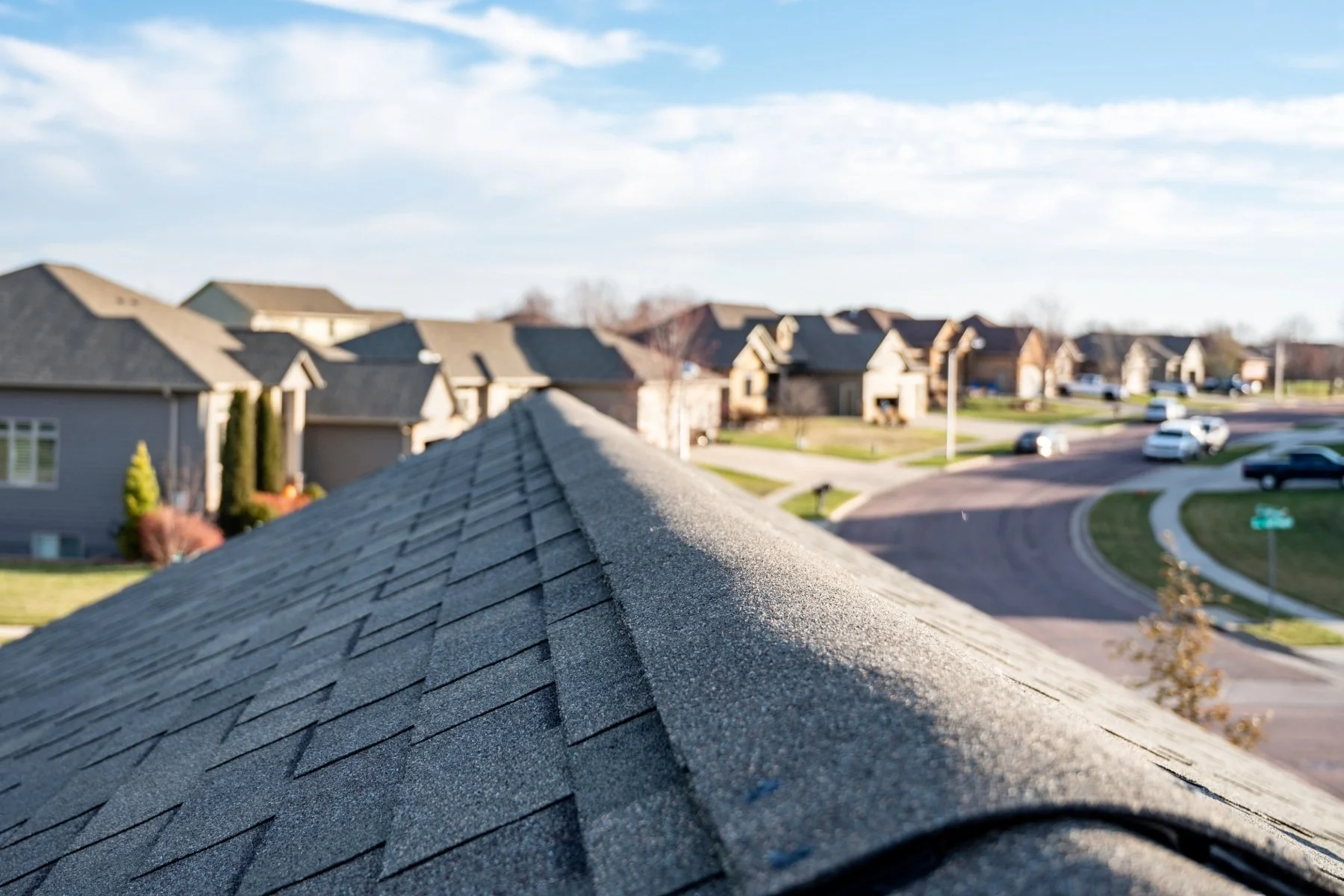
Asphalt Shingles

Cost-Effective: Asphalt shingles are one of the most affordable roofing options, making them a popular choice for homeowners on a budget.
Wide Range of Styles: Available in various colors and designs, asphalt shingles can easily complement any home aesthetic.
Easy Installation and Maintenance: Asphalt shingles are relatively easy to install and repair, making maintenance simple and affordable.
Metal Roofing
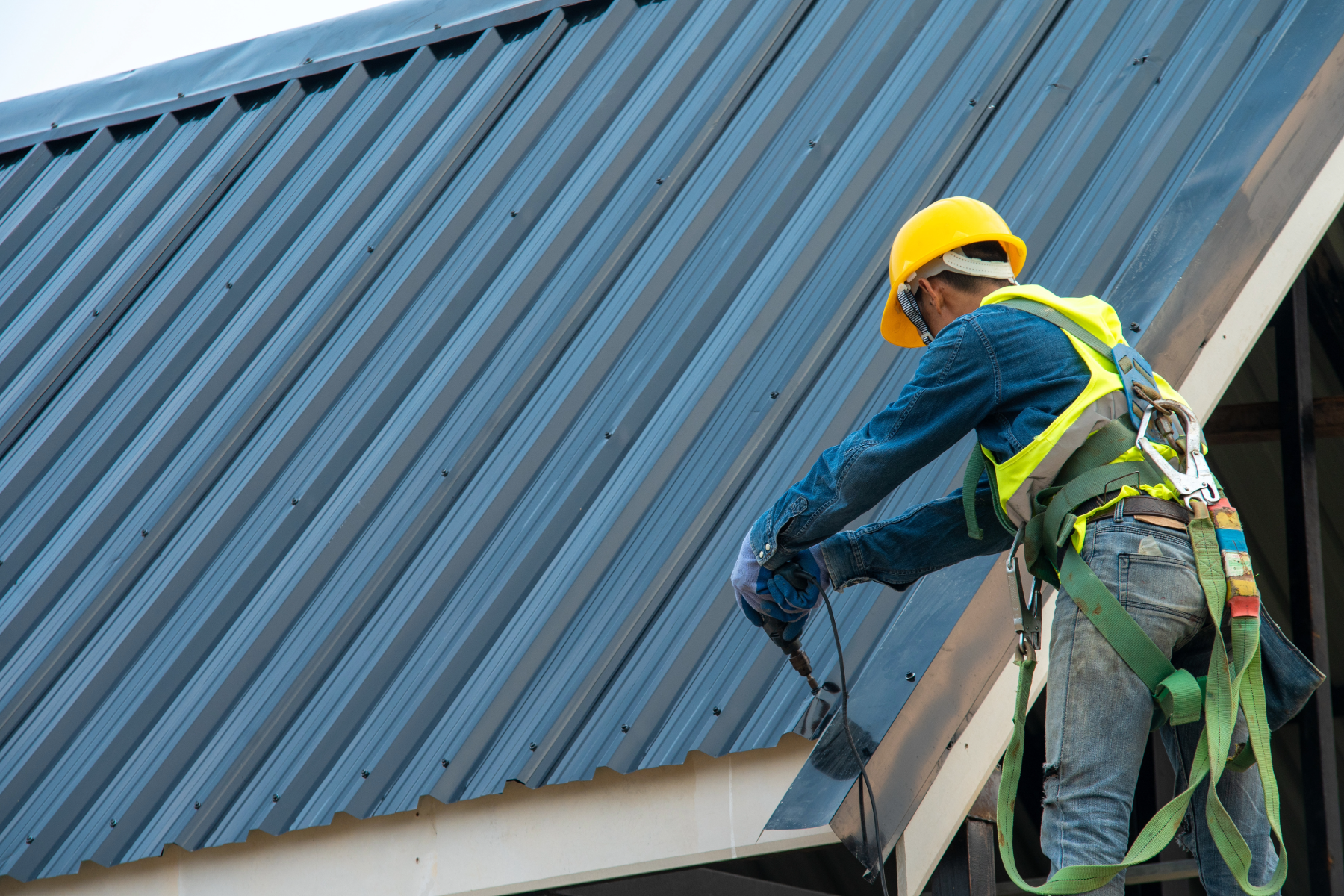
Durability: Metal roofing is known for its exceptional longevity, often lasting 50 years or more with minimal maintenance.
Energy Efficiency: Metal roofs reflect solar radiant heat, which can reduce cooling costs by up to 25%.
Fire-Resistant: Metal roofing is highly resistant to fire, making it a safe option for homes in fire-prone areas.
Tile Roofing (Clay & Concrete)
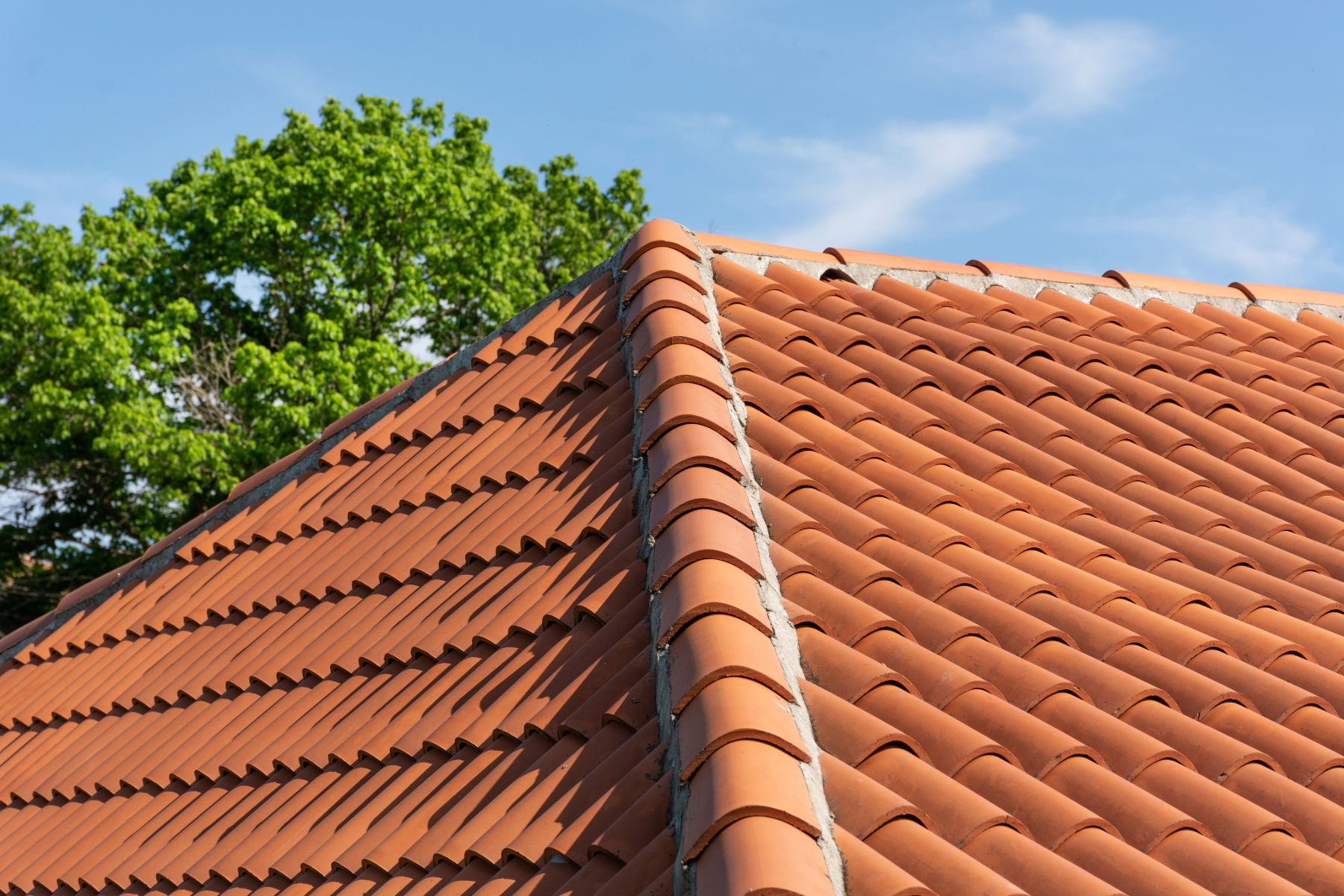
Long Lifespan: Clay and concrete tiles can last over 100 years, providing long-term value and durability.
Aesthetic Appeal: Tile roofing offers a unique and stylish look, particularly for Mediterranean or Southwestern-style homes.
Eco-Friendly: Many tile options are made from natural materials and can be recycled, making them a sustainable choice.
Wood Shingles & Shakes
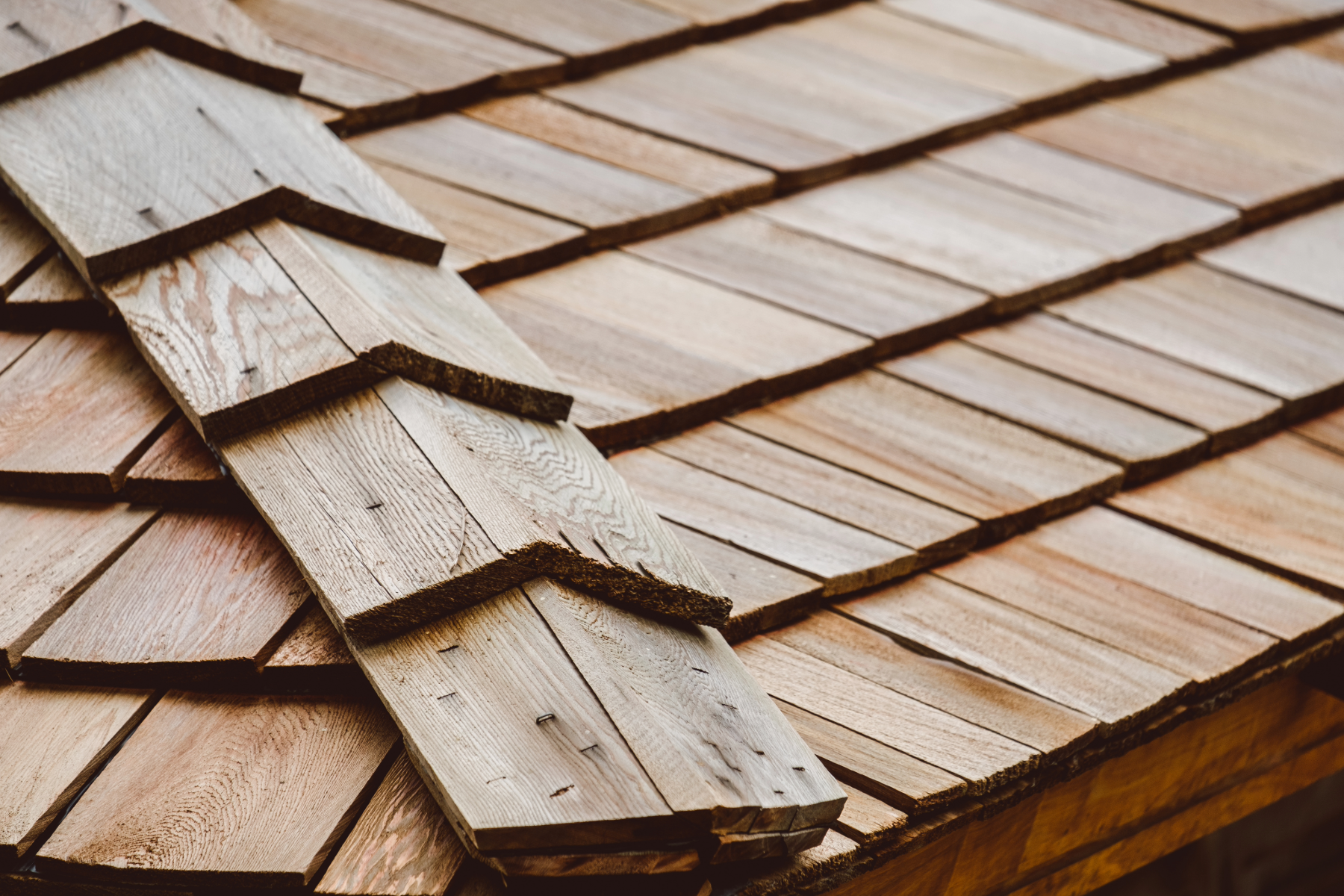
Natural Beauty: Wood shingles and shakes offer a rustic, natural look that enhances the charm and character of a home.
Insulating Properties: Wood roofing provides excellent insulation, keeping homes warmer in the winter and cooler in the summer.
Sustainability: When sourced from managed forests, wood roofing can be an eco-friendly option.
Slate Roofing
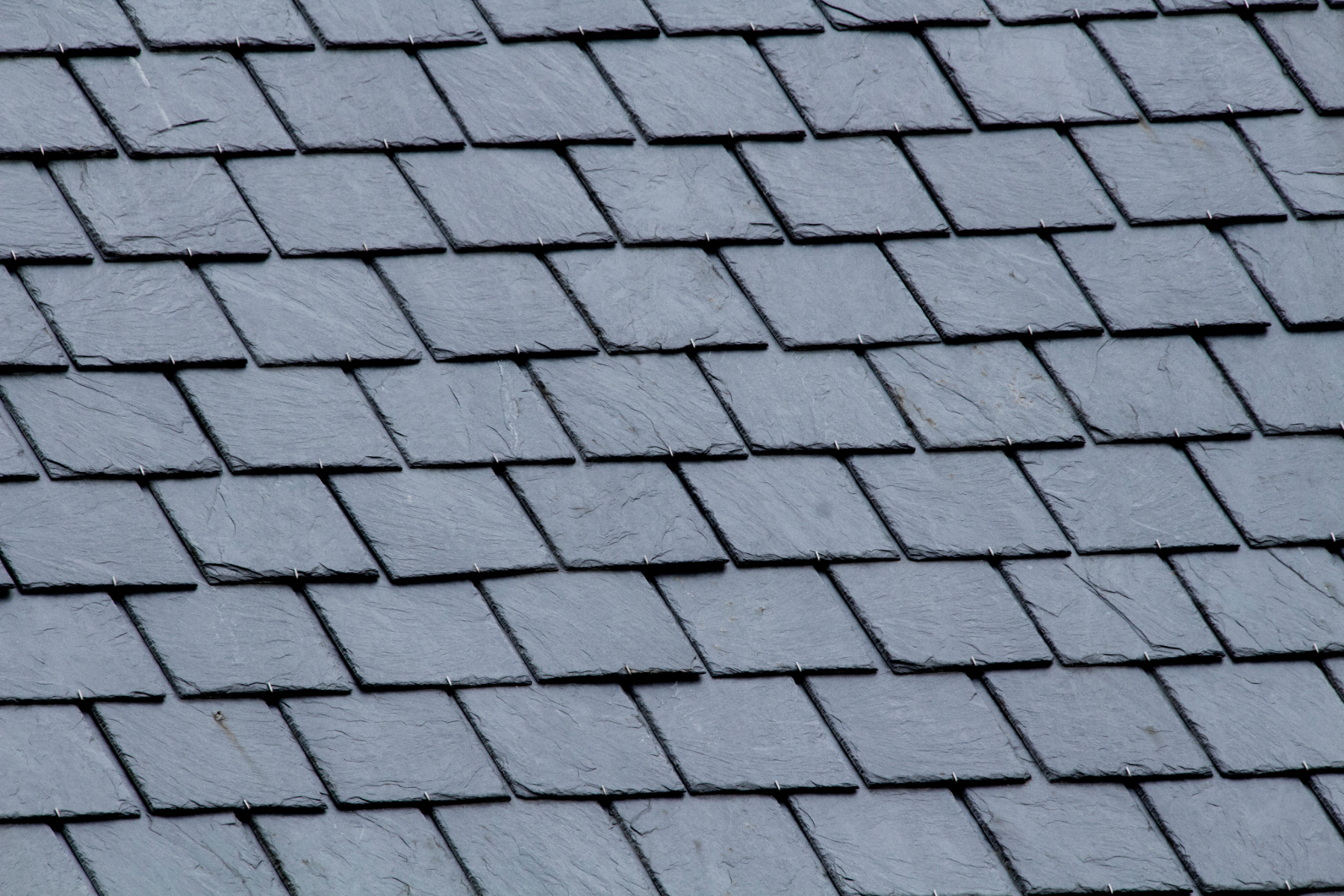
Premium Aesthetic: Slate roofing offers a high-end, elegant look that is unmatched in style.
Extremely Durable: Slate is one of the most durable roofing materials, capable of lasting over a century with proper care.
Fire & Weather Resistant: Slate is naturally resistant to fire, wind, and extreme weather conditions, making it a great choice for long-term protection.
Detailed Breakdown of Roofing Types
When it comes to residential roofing, Sidecar Construction provides expert guidance on selecting the right material for your home. Here’s a detailed look at the most popular roofing materials, their advantages, and applications, aligning with the expertise Sidecar Construction brings to every project.
-
Overview: Asphalt shingles are the most popular roofing material in the U.S. due to their affordability, versatility, and ease of installation. They come in various styles, including 3-tab, architectural, and premium shingles.
Benefits:
Cost-effective and available in a wide range of colors.
Easy to install and replace, keeping labor costs low.
Offers sufficient weather protection for most climates.
Lifespan: 20-30 years depending on maintenance and climate conditions.
-
Overview: Metal roofing is gaining popularity for its durability and energy efficiency. Options like standing seam panels, metal shingles, and corrugated metal provide a modern look with high performance.
Benefits:
Reflects sunlight, reducing cooling costs by up to 25%.
Extremely durable, often lasting 50+ years with minimal maintenance.
Lightweight and resistant to fire, wind, and hail.
Lifespan: 40-70 years, depending on the material.
-
Overview: Tile roofing offers a distinctive aesthetic, often seen in Mediterranean or Spanish-style homes. Clay and concrete tiles are highly durable, although they require reinforced roofing structures due to their weight.
Benefits:
Longevity is a major benefit, with some tile roofs lasting over 100 years.
Resistant to fire and moisture, making them ideal for dry climates.
Provides excellent insulation against both heat and cold.
Lifespan: 50-100 years with proper maintenance.
-
Overview: Wood shingles and shakes provide a natural, rustic charm and are often used in more traditional or historic home designs. However, they require regular maintenance to prevent moisture and pest damage.
Benefits:
Offers a unique, natural look that enhances a home's aesthetic appeal.
Biodegradable and can be treated with fire-retardant materials.
Provides excellent insulation properties.
Lifespan: 30-40 years with consistent upkeep.
-
Overview: Slate is a premium roofing material known for its exceptional durability and sophisticated appearance. It’s often used in high-end homes and historical restorations.
Benefits:
Slate is highly resistant to fire, mold, and moisture, making it one of the most durable roofing materials.
Its natural stone composition makes it environmentally friendly.
Adds significant value to a home due to its beauty and longevity.
Lifespan: 75-150 years, making it a long-term investment.
-
Overview: Synthetic roofing materials, such as rubber and composite options, are modern alternatives designed to mimic the appearance of slate or wood. They are cost-effective and offer a variety of benefits without sacrificing style.
Benefits:
Lightweight and easy to install, reducing labor costs.
Resistant to weather, UV rays, and impact damage.
Provides the aesthetic appeal of natural materials at a fraction of the cost.
Lifespan: 30-50 years.
By addressing these challenges head-on, Sidecar Construction ensures a stress-free roofing installation experience, giving you peace of mind knowing your home is well-protected.
Roofing Installation Process
Sidecar Construction specializes in providing expert installation services for all types of residential roofing materials.
The process of installing a roof requires careful planning and skilled execution to ensure durability, weather protection, and a visually appealing finish. Here's a step-by-step look at how the roofing installation process unfolds:
Step 1: Initial Consultation & Roof Assessment
The process begins with a comprehensive consultation where the Sidecar Construction team evaluates your current roof or new build requirements. During this phase, we discuss your goals, budget, and preferred roofing material.
Details:
Inspection of the roof's structure for existing damage, leaks, or weak spots.
Assessment of insulation and ventilation needs to ensure energy efficiency.
Recommendations for the most suitable roofing materials based on your home’s design and local climate.
Step 2: Preparation & Removal of the Old Roof (if applicable)
Once the material is selected, preparation begins. If you’re replacing an old roof, it must be removed before the new materials can be installed.
Details:
Remove existing shingles, underlayment, and any damaged materials.
Clean up and dispose of the old roofing material in an eco-friendly manner.
Inspection of the decking to ensure it’s solid and ready for the new roof installation.
Step 3: Installation of the Underlayment
The underlayment, typically a water-resistant or waterproof barrier, is installed directly onto the decking. This layer provides extra protection against leaks and moisture.
Details:
Install high-quality underlayment to create a water-tight seal.
Focus on ensuring proper alignment and adhesion for long-lasting performance.
Edge flashing is installed around the roof’s perimeter for added protection.
Step 4: Installing the Roofing Material
The primary roofing material is then installed according to manufacturer specifications and industry best practices. Whether you're opting for asphalt shingles, metal, tile, or wood, Sidecar Construction ensures a seamless installation.
Details:
Shingles, tiles, or panels are laid out methodically to ensure proper overlapping and secure attachment.
Specialized techniques are used to accommodate roof valleys, chimneys, vents, and other structural features.
The installation is completed with ridge caps and venting systems to promote airflow and prevent moisture buildup.
Step 5: Final Inspection & Clean-Up
Once the roofing material is installed, the team conducts a final inspection to ensure every detail has been addressed and the roof meets high-quality standards.
Details:
Final check for alignment, weatherproofing, and secure fastening of all materials.
Clean-up of the entire work area, including the removal of any leftover materials and debris.
Post-installation review with the homeowner to ensure complete satisfaction.
Step 6: Post-Installation Support & Maintenance
After installation, Sidecar Construction provides ongoing support to ensure your roof remains in top condition for years to come.
Details:
A maintenance guide is provided to help homeowners protect their investment.
Routine inspections and repairs are recommended to maximize the roof’s lifespan.
Warranty and insurance information is reviewed with the homeowner.
Challenges & Solutions
Common Roofing
Roofing projects can face several challenges, from unexpected weather conditions to structural issues. Sidecar Construction brings decades of expertise to overcome these challenges, ensuring a smooth installation and long-lasting results.
Below are some of the most common roofing challenges and how they are addressed by our team.
-
Problem: Weather, particularly rain, snow, or high winds, can delay or disrupt the roofing installation process.
Solution: Sidecar Construction closely monitors weather forecasts to schedule projects during optimal conditions. In the event of unexpected weather, our team ensures that any exposed areas of the roof are properly covered and protected until work can resume. Flexible scheduling helps prevent significant delays.
-
Problem: Leaks can occur during or after installation if the roof is not properly sealed, leading to water damage inside the home.
Solution: Our team uses high-quality underlayment, flashing, and sealants to prevent water penetration. We inspect all potential leak points, including around chimneys, skylights, and vents, ensuring that the roof is fully waterproofed. Additionally, post-installation inspections help catch any vulnerabilities early on.
-
Problem: Poor ventilation can cause moisture buildup in the attic, leading to mold growth and reduced roof lifespan.
Solution: Sidecar Construction incorporates proper ventilation systems during the installation process to promote airflow. This prevents moisture accumulation, regulates temperature, and prolongs the life of the roofing material. Ridge vents and soffit vents are typically installed to optimize airflow.
-
Problem: If the roof deck or other structural elements are damaged, it can compromise the integrity of the new roof.
Solution: Before installing a new roof, our team thoroughly inspects the underlying structure to ensure it is sound. Any damaged decking or framing is repaired or replaced to provide a solid foundation for the roofing materials. This proactive approach prevents long-term issues and ensures a safe installation.
-
Problem: Using mismatched materials or improper installation techniques can result in an uneven roof that not only looks bad but may also fail prematurely.
Solution: Sidecar Construction ensures consistency by sourcing high-quality materials that meet the specifications of the project. Our experienced installers follow industry best practices, guaranteeing that all materials are aligned and installed correctly to achieve a seamless finish.
-
Problem: Poor workmanship can cause roofing materials to deteriorate faster than expected, resulting in costly repairs or replacements.
Solution: With Sidecar Construction’s expert team, you are guaranteed professional, high-quality installation. Our decades of experience ensure that materials are installed according to manufacturer guidelines, ensuring the roof’s longevity and optimal performance. We stand by the quality of our work with robust warranties.
Related Articles & Resources
To help you further explore roofing options and ensure you make informed decisions, Sidecar Construction provides a wealth of additional resources and guides. Whether you’re looking to dive deeper into specific roofing materials or need advice on roof maintenance, the following articles and tools can guide you through the process.
Further Reading:
When winter approaches, ensuring your roof is ready to withstand harsh weather conditions is essential for protecting your home.
Your roof is more than just a shelter over your head—it's a crucial component that protects your home or building from the elements.
Additional Services:
Discover how Sidecar Construction can revitalize your home with our expert painting services.
Learn how to make sure your home is protected from water damage.
Frequently Asked Questions (FAQs)
When it comes to roofing, homeowners often have several questions about the process, materials, and long-term maintenance. Below are some of the most common questions Sidecar Construction receives and the detailed answers to help you make informed decisions.
-
The lifespan of a roof depends on the material used. Asphalt shingles, for example, typically last 20-30 years, while metal roofs can last 40-70 years. Premium materials like slate can last over 100 years. Regular maintenance and weather conditions also play a significant role in determining roof longevity.
-
Common signs that your roof may need replacement include persistent leaks, missing shingles, sagging areas, and visible wear around roof edges and valleys. If your roof is approaching the end of its expected lifespan, a replacement may be more cost-effective than constant repairs.
-
Metal roofs, cool roofs, and solar shingles are among the most energy-efficient roofing options. These materials help reflect sunlight and reduce heat absorption, which can lower energy bills in hot climates. Proper insulation and ventilation also play a crucial role in maximizing energy efficiency.
-
The cost of replacing a roof depends on several factors, including the size of the roof, the type of material chosen, and labor costs. On average, asphalt shingles cost around $5,000 to $10,000 for a full roof replacement, while premium materials like slate or metal can cost significantly more.
-
Regular maintenance, such as clearing debris, cleaning gutters, and checking for damage after storms, is essential. Scheduling annual inspections with professionals like Sidecar Construction can help identify small issues before they become costly repairs.
If you have additional questions, feel free to reach out to Sidecar Construction for expert advice and personalized recommendations.