
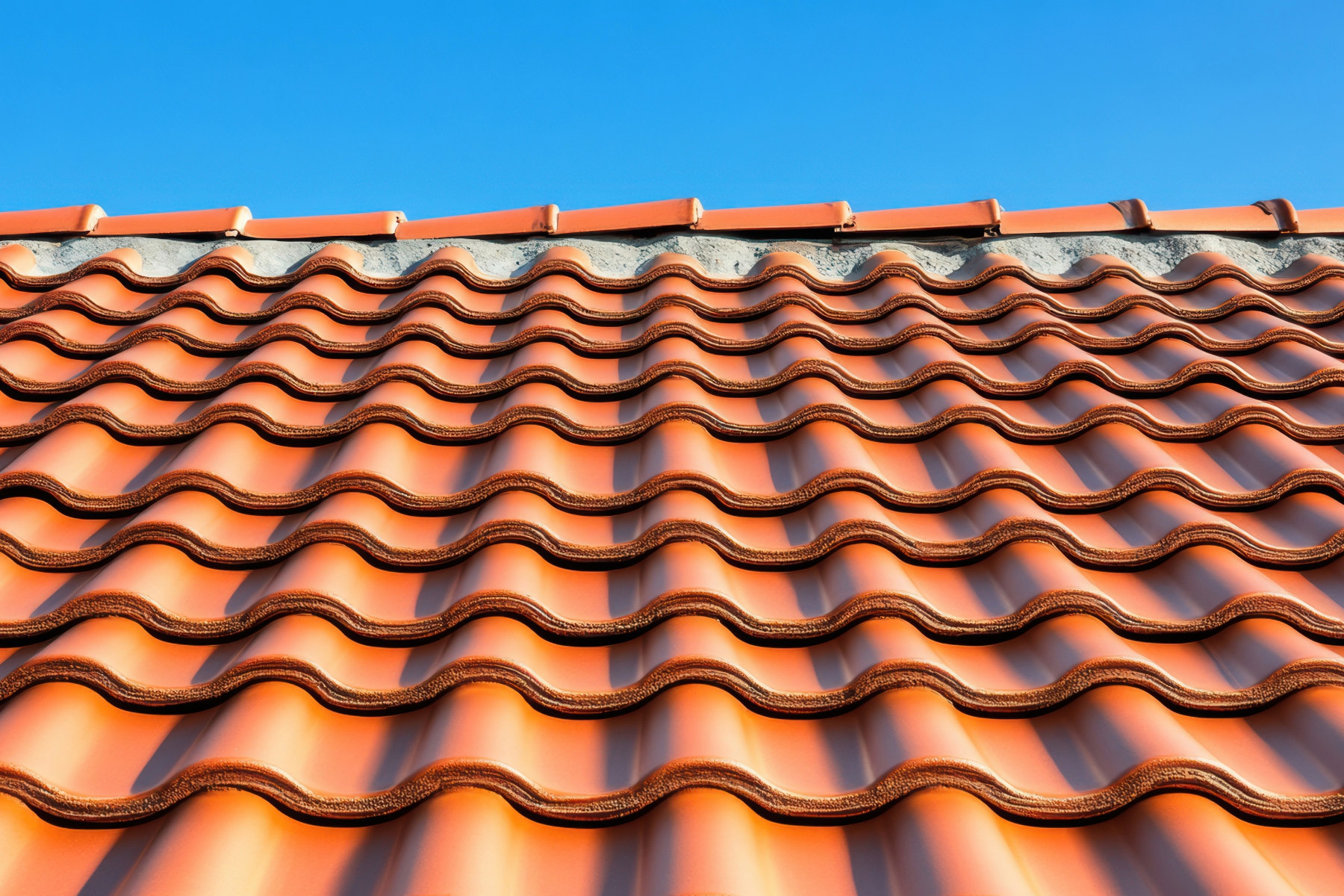
Understanding Tile Roofing: Clay & Concrete Options
DETAILED INSIGHTS & INFORMATION ABOUT CLAY & CONCRETE TILE ROOFING, FROM DURABILITY TO DESIGN FLEXIBILITY
Tile roofing, particularly with clay and concrete, offers long-lasting durability and a wide range of aesthetic styles.
This article explores the characteristics, benefits, and installation considerations of clay and concrete tiles, guiding homeowners in making informed decisions.
Tile roofing is not only visually appealing but also resilient, especially in various climates. Understanding the differences between clay and concrete tiles helps homeowners choose the best option for their home’s design and longevity.
This guide complements the broader discussion of residential roofing materials found on the Types of Residential Roofing pillar page, offering a deeper dive into tile roofing options.
Installation Process for Tile Roofing
The installation process for both clay and concrete tile roofing requires careful planning and professional expertise to ensure long-term performance and durability. Tile roofs are heavier than other types of roofing materials, such as asphalt shingles, so the structure of the home must be assessed for its ability to support the additional weight. Proper installation not only enhances the roof's longevity but also maximizes its energy efficiency and protection against the elements.
Structural Assessment
Before installation begins, the structure of the home must be evaluated to determine if it can support the weight of the tile roofing. Tile roofs are significantly heavier than other materials, and in some cases, additional reinforcements may be required to ensure the roof frame can handle the load. A licensed contractor, such as those from Sidecar Construction, will conduct a thorough inspection and make any necessary adjustments to the structure before proceeding.
Tile Placement & Fastening
Once the underlayment is in place, the tiles are carefully laid out and fastened to the roof deck. Tile roofs require specific patterns and placement techniques to ensure proper water drainage and ventilation. The tiles are typically installed starting at the bottom of the roof and working upward, with each tile overlapping the previous one to create a watertight seal. Secure fastening is essential, especially in areas prone to high winds or storms.
Underlayment Installation
A crucial step in the tile roofing installation process is the placement of the underlayment. The underlayment serves as an additional layer of protection, providing waterproofing to prevent leaks. It acts as a barrier between the roof deck and the tiles, safeguarding the structure from moisture and other environmental elements. High-quality underlayment materials, such as synthetic or rubberized asphalt, are typically used to maximize durability.
Finishing Touches
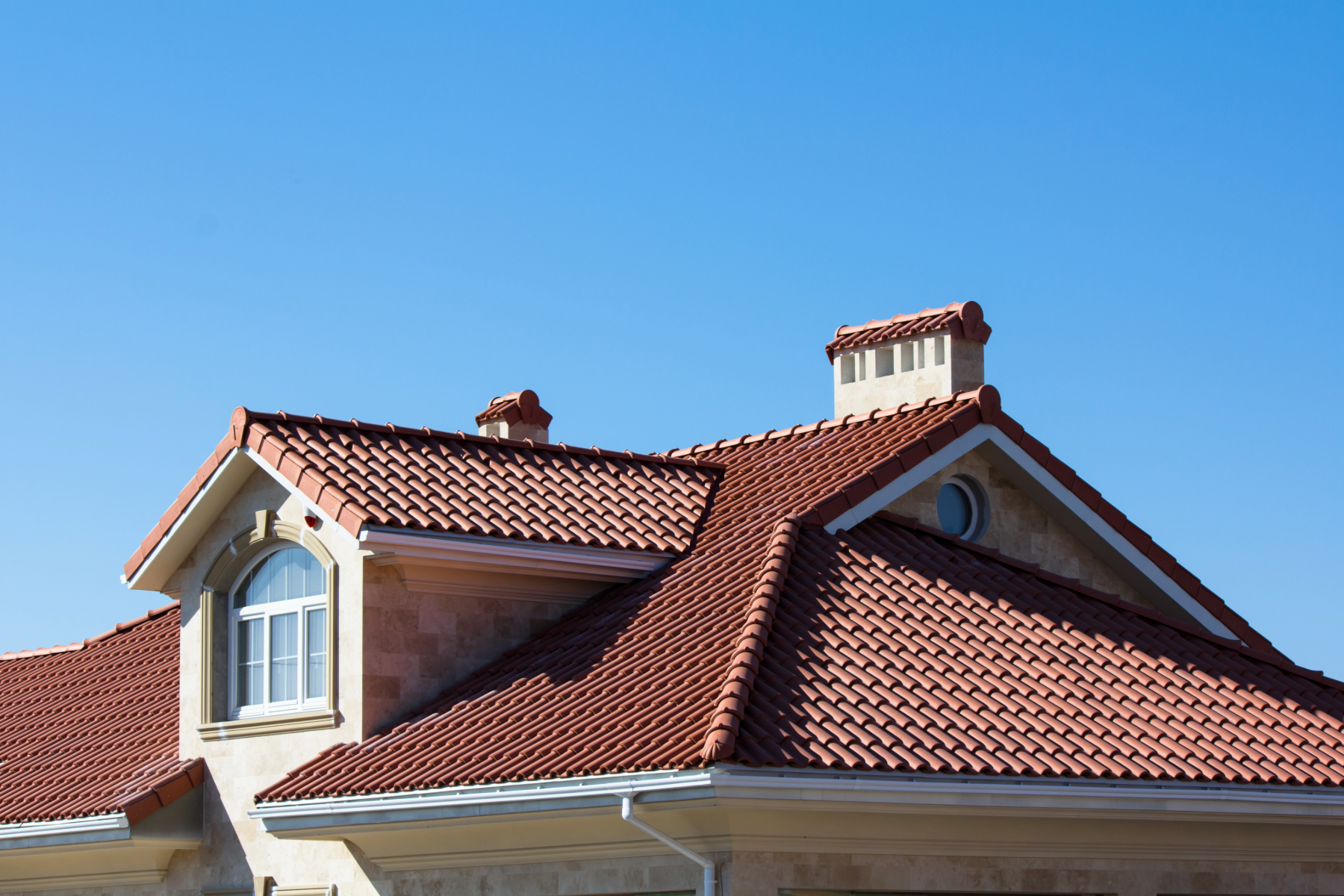
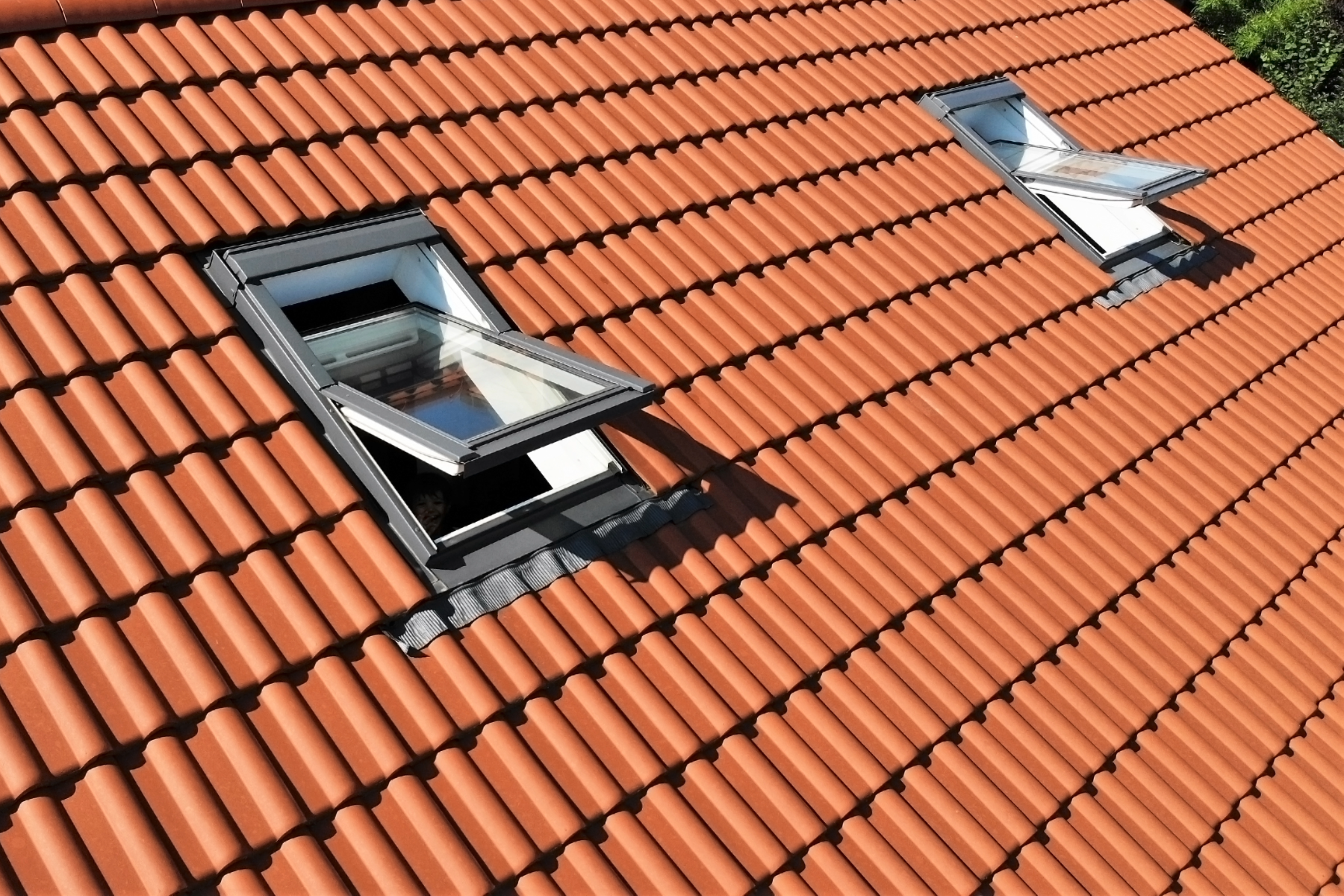
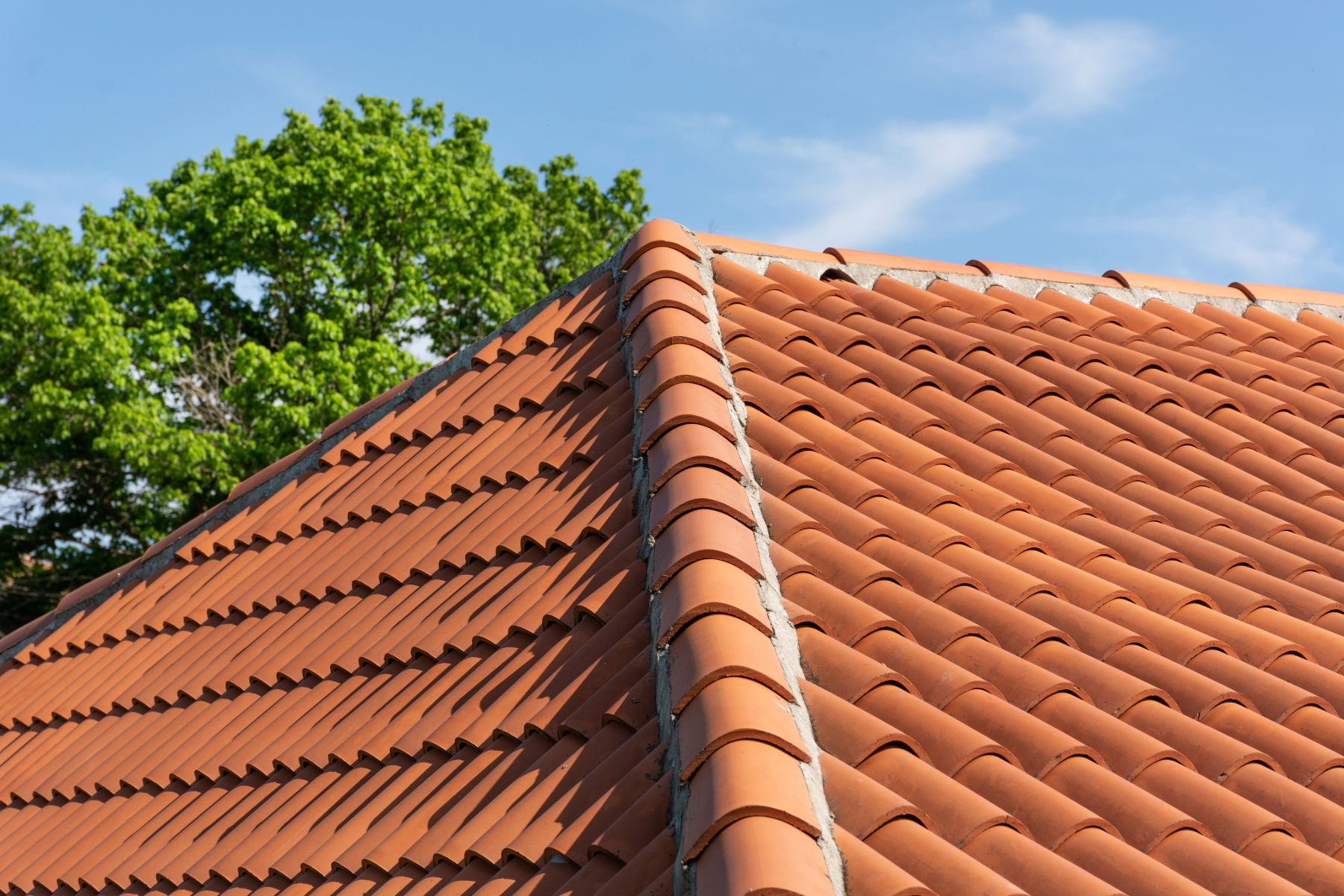
After the tiles are laid, additional finishing elements are installed to complete the roofing system. Ridge caps and flashing are added to seal off vulnerable areas where leaks could occur, such as around chimneys, skylights, or vents. The final step includes inspecting the entire roof to ensure proper installation and making any adjustments if needed.
Benefits & Advantages of Tile Roofs
-
Clay tiles have been a staple in roofing for centuries, known for their distinct look and exceptional durability. Their natural, earthy tones make them a favorite for homeowners looking to achieve a classic or Mediterranean-style appearance. Clay tiles are available in a range of colors and finishes, from traditional red terracotta to lighter, more neutral shades. This flexibility allows clay tile roofs to complement various home styles, from traditional to more modern designs.
Durability & Longevity:
One of the most significant advantages of clay tiles is their long lifespan. These tiles can last up to 100 years or more when properly maintained. Clay is naturally resistant to fire, insects, and rot, making it an ideal choice for areas prone to extreme heat or humidity. Its resilience to weathering also ensures that the roof maintains its aesthetic appeal over time, with minimal fading or deterioration.Energy Efficiency:
Clay tiles are naturally insulating, helping to regulate the temperature inside the home. During hot weather, they reflect more sunlight than other roofing materials, keeping the home cooler. This energy efficiency can lead to reduced cooling costs during summer months, making clay tile roofing an environmentally friendly option.Environmental Benefits:
In addition to their energy efficiency, clay tiles are made from natural materials and are fully recyclable. At the end of their long lifespan, they can be repurposed or recycled, reducing the overall environmental impact. -
Concrete tiles offer a versatile and cost-effective alternative to clay tiles while still providing durability and aesthetic appeal. Unlike clay, concrete tiles can be manufactured to resemble a variety of roofing materials, including slate, wood shakes, and even clay itself. This versatility allows homeowners to achieve a wide range of architectural styles without the higher costs associated with premium materials like slate or real wood.
Affordability and Cost-Effectiveness:
Concrete tiles are generally more affordable than clay tiles, making them an attractive option for budget-conscious homeowners. Despite their lower cost, they still provide excellent protection and longevity, often lasting between 50 to 70 years. The affordability of concrete tiles does not come at the expense of quality, as they are highly durable and resistant to harsh weather conditions.Customizability:
One of the most significant advantages of concrete tiles is their customizability. They can be manufactured in a variety of colors, shapes, and finishes, allowing homeowners to choose a style that perfectly complements the design of their home. Whether looking for a smooth modern finish or a rustic textured appearance, concrete tiles offer numerous options.Durability in Harsh Conditions:
Concrete tiles are known for their strength and ability to withstand extreme weather conditions. They are resistant to wind, hail, and fire, making them an excellent choice for homes in areas prone to storms or high temperatures. Additionally, concrete tiles are less likely to crack or break compared to other materials, further extending their lifespan. -
Both clay and concrete tiles are known for their long-lasting durability, making them an excellent choice for homeowners seeking roofing materials with extended lifespans. However, there are key differences between the two when it comes to how long they can last and how they hold up over time.
Lifespan of Clay Tiles
Clay tiles are often considered one of the longest-lasting roofing materials available, with lifespans that can exceed 100 years. This longevity is largely due to the material's natural properties. Clay is highly resistant to wear and tear from environmental factors such as heat, moisture, and UV radiation. Unlike other roofing materials that may fade or degrade over time, clay tiles maintain their color and structural integrity for decades.In addition to their natural resistance to weathering, clay tiles are also non-combustible, adding an extra layer of protection against fire. These tiles are particularly well-suited for hot and dry climates, where they help to regulate indoor temperatures and reduce the need for air conditioning.
Lifespan of Concrete Tiles
Concrete tiles also offer impressive durability, though their lifespan is typically shorter than that of clay tiles. On average, concrete tiles last between 50 and 70 years. While not as long-lasting as clay, concrete tiles still outperform many other roofing materials in terms of durability. Their resistance to wind, hail, and fire makes them a solid choice for homeowners seeking a cost-effective yet durable roofing solution.One advantage concrete tiles offer is their ability to be easily repaired or replaced. Individual tiles can be swapped out if damaged without requiring extensive roof repairs. With proper maintenance, concrete tiles can achieve the higher end of their lifespan range.
Factors Affecting Lifespan
While both clay and concrete tiles are durable, several factors can influence their longevity. These include the quality of installation, the climate in which the home is located, and the level of regular maintenance. Regular roof inspections and addressing minor issues early can significantly extend the life of either material. -
Clay and concrete tile roofing offers several advantages for homeowners, ranging from enhanced curb appeal to long-term cost savings. While each material has its unique strengths, both provide significant benefits that make them a popular choice for residential roofing projects.
Aesthetic Appeal
One of the most notable advantages of clay and concrete tiles is their aesthetic versatility. Clay tiles offer a timeless, natural look that complements Mediterranean, Spanish, and Southwestern architectural styles. Their rich earth tones and natural finishes can enhance a home’s appearance, providing a classic and elegant look.Concrete tiles, on the other hand, offer more design flexibility. They can be manufactured in a wide variety of shapes, colors, and finishes, allowing homeowners to mimic the appearance of slate, wood shakes, or even clay at a fraction of the cost. This ability to customize the look of a home makes concrete tiles an attractive option for modern and traditional architectural designs alike.
Energy Efficiency
Both clay and concrete tiles are excellent at insulating homes, helping to regulate interior temperatures. Their dense composition acts as a barrier to heat, which is particularly beneficial in warmer climates. This natural insulation can reduce energy consumption by lowering the need for air conditioning during hot summer months. Over time, homeowners may notice a reduction in their energy bills as a result of the improved efficiency that tile roofing offers.Low Maintenance
Clay and concrete tiles require minimal maintenance compared to other roofing materials. Their durability and resistance to common issues like mold, insects, and rot make them a low-maintenance choice for homeowners. Periodic inspections and occasional cleaning are usually all that is needed to keep the roof in good condition. Additionally, individual tiles that become cracked or damaged can be easily replaced without the need for extensive repairs, further reducing long-term maintenance costs.Weather Resistance
Both materials are highly resistant to extreme weather conditions. Clay tiles, known for their natural resilience, can withstand high winds, heavy rain, and even fire. Concrete tiles, though slightly more porous than clay, also offer excellent resistance to harsh weather, particularly in storm-prone regions. Their weight helps to keep them in place during strong winds, and their non-combustible properties add an extra layer of protection in areas prone to wildfires.Long-Term Cost Savings
Though the upfront cost of installing clay or concrete tiles may be higher than other materials, the long-term benefits far outweigh the initial investment. Their long lifespan, low maintenance requirements, and energy-saving properties contribute to overall cost savings over time. Homeowners may also experience an increase in property value due to the enhanced durability and aesthetic appeal that tile roofing provides.
How Tile Roofing Fits Into the Overall Roofing Strategy
Tile roofing, whether clay or concrete, is a crucial component of a comprehensive roofing strategy that prioritizes durability, aesthetics, and long-term performance. Understanding how these materials align with other roofing options helps homeowners make informed decisions about their investment and ensures their roof meets both functional and design requirements.
-
Tile roofing is often compared with other popular residential roofing options such as asphalt shingles, metal, and wood shakes. While each material has its own set of advantages, tile roofing stands out for its unparalleled longevity and distinct visual appeal. Asphalt shingles, for instance, may be more affordable upfront, but they lack the long-term durability and fire resistance offered by clay or concrete tiles. Metal roofing offers similar longevity but lacks the classic architectural elegance that tiles provide.
For homeowners considering a combination of roofing materials, such as using tiles for the main roof and metal or shingles for smaller sections, tiles can enhance the home’s aesthetic while ensuring maximum durability where it's most needed. This hybrid approach can offer a balance of cost-effectiveness and design flexibility.
-
Clay and concrete tiles are ideal for eco-conscious homeowners who want to minimize their environmental footprint. Not only are these materials recyclable, but their long lifespan also reduces the need for frequent roof replacements, which can generate significant waste. Their natural energy efficiency also contributes to a more sustainable roofing system, reducing the home’s overall energy consumption. When integrated with other energy-saving solutions, such as cool roofs or solar panels, tile roofing becomes a core element in a comprehensive green building strategy.
-
Tile roofing significantly boosts the overall property value of a home due to its high-end appearance and long-lasting protection. Homes with clay or concrete tile roofs are often more attractive to potential buyers, particularly in regions where extreme weather conditions are common, and durability is a major selling point. By investing in tile roofing, homeowners can expect not only an immediate enhancement to their home’s exterior but also a potential return on investment when it comes time to sell.
-
Incorporating tile roofing into a broader maintenance strategy allows homeowners to minimize repair costs over the lifespan of the roof. Compared to other materials that require frequent repairs or replacements, tile roofs typically only need periodic inspections and minor maintenance. This low-maintenance aspect frees up time and resources for homeowners, enabling them to focus on other home improvement projects. Additionally, the ability to replace individual tiles rather than entire sections of the roof means that repairs are typically less expensive and time-consuming.
Key Takeaways for Clay & Concrete Tile Roofing
After exploring the different types of tile roofing options, their benefits, and cost considerations, here are the main points homeowners should keep in mind:
Takeaway 1: Durability & Longevity
Clay and concrete tiles are among the most durable roofing materials available, with clay tiles lasting up to 100 years and concrete tiles lasting 50 to 70 years. Their resistance to weather, fire, and pests makes them a long-term solution for homeowners seeking both protection and visual appeal.
Takeaway 2: Energy Efficiency
Both clay and concrete tiles provide excellent insulation, helping to regulate home temperatures and reduce energy consumption, particularly in warmer climates. This energy efficiency can lead to lower utility bills and a more environmentally friendly home.
Takeaway 3: Aesthetic Flexibility
While clay tiles offer a classic, natural appearance often associated with Mediterranean and Spanish architecture, concrete tiles provide more design flexibility. Concrete can mimic other materials like slate or wood, making it a versatile option for a range of home styles, from traditional to contemporary.
Takeaway 4: Low Maintenance
Clay and concrete tile roofs require minimal upkeep. Regular inspections and occasional cleaning are usually sufficient to keep the roof in good condition. Additionally, the ability to replace individual tiles as needed helps reduce long-term maintenance costs.
Takeaway 2: Long-Term Cost Savings
Although tile roofing may come with higher initial installation costs, the long lifespan, energy savings, and low maintenance requirements translate to significant long-term savings. Homeowners also benefit from the potential increase in property value due to the durability and attractiveness of tile roofing.
Related Articles & Resources
For homeowners interested in learning more about roofing materials and additional services, here are some resources that expand on the topics of clay and concrete tile roofing:
Further Reading:
Essential Tips to Preparing Your Roof for Winter
When winter approaches, ensuring your roof is ready to withstand harsh weather conditions is essential for protecting your home.
The Importance of Regular Roof Maintenance
Your roof is more than just a shelter over your head—it's a crucial component that protects your home or building from the elements.
Additional Services:
Commercial & Residential Painting
Discover how Sidecar Construction can revitalize your home with our expert painting services.
Learn how to make sure your home is protected from water damage.
Frequently Asked Questions (FAQs)
Here are some frequently asked questions about tile roofing options, along with detailed answers to help you make informed decisions:
-
Clay tiles are known for their natural aesthetic and extreme longevity, often lasting over 100 years. They maintain their color and integrity well, especially in hot climates. Concrete tiles, on the other hand, are more versatile in design and can mimic other materials such as slate or wood. While concrete tiles are more affordable, they generally last between 50 to 70 years, making them a durable yet cost-effective option.
-
Tile roofing does have a higher initial installation cost compared to materials like asphalt shingles. However, the long-term benefits, such as durability, low maintenance, and energy efficiency, often offset the higher upfront expense. Additionally, tile roofs can increase the value of your home due to their longevity and aesthetic appeal.
-
Tile roofs are heavier than other roofing materials, so it is important to ensure that your home's structure can support the additional weight. Before installation, Sidecar Construction will assess your roof's framework and, if necessary, make any structural reinforcements to ensure the roof can safely support the weight of clay or concrete tiles.
-
Tile roofs require minimal maintenance. It’s recommended to have your roof inspected periodically to check for any damaged tiles and to clean the surface of debris. If a tile becomes cracked or broken, individual tiles can be replaced without disturbing the rest of the roof.
-
Yes, both clay and concrete tiles are excellent at insulating your home, helping to reduce heating and cooling costs. Their natural properties help reflect heat, making them particularly energy-efficient in warmer climates.
Next Steps
If you're ready to take the next step in choosing the right roofing material for your home or are interested in learning more about tile roofing, Sidecar Construction is here to help.
For more information, visit our Types of Residential Roofing page or explore additional resources on roofing materials and services.
Schedule a Consultation
Our expert team is available to discuss your roofing needs and provide personalized recommendations. Whether you're looking for clay or concrete tile options or exploring other materials, we’ll guide you through the process to ensure your home gets the best protection and aesthetic upgrade.Request a Roofing Estimate
Curious about the costs involved with a new tile roof? Get a detailed, no-obligation estimate for your roofing project. We’ll break down the pricing for materials, installation, and any necessary structural adjustments, so you can plan your project with confidence.Explore Our Roofing Projects
See examples of our previous work to get inspiration for your roofing project. View photos and details of clay and concrete tile installations, along with other roofing materials.