
Understanding Metal Roofing for Residential Homes
DISCOVER THE BENEFITS & OPTIONS OF METAL ROOFING FOR HOMES, FOCUSING ON DURABILITY, ENERGY EFFICIENCY, & STYLE
Metal roofing has become an increasingly popular choice for residential homes due to its exceptional durability, energy efficiency, and wide range of styles.
Whether you’re looking for long-lasting protection against the elements or aiming to enhance the architectural appeal of your home, metal roofing provides an attractive solution. This content explores various metal roofing options such as standing seam, metal shingles, and corrugated panels, detailing the benefits and considerations of each type.
As part of our comprehensive Types of Residential Roofing page, this guide will help you understand why metal roofing stands out and how it can benefit your home.
Metal Roofing Options
When choosing metal roofing for your home, understanding the variety of options available is crucial. Metal roofs are not one-size-fits-all, and the choice depends on factors like durability, style, and budget. Here are the most popular metal roofing options for residential homes:
Standing Seam Metal Roofing
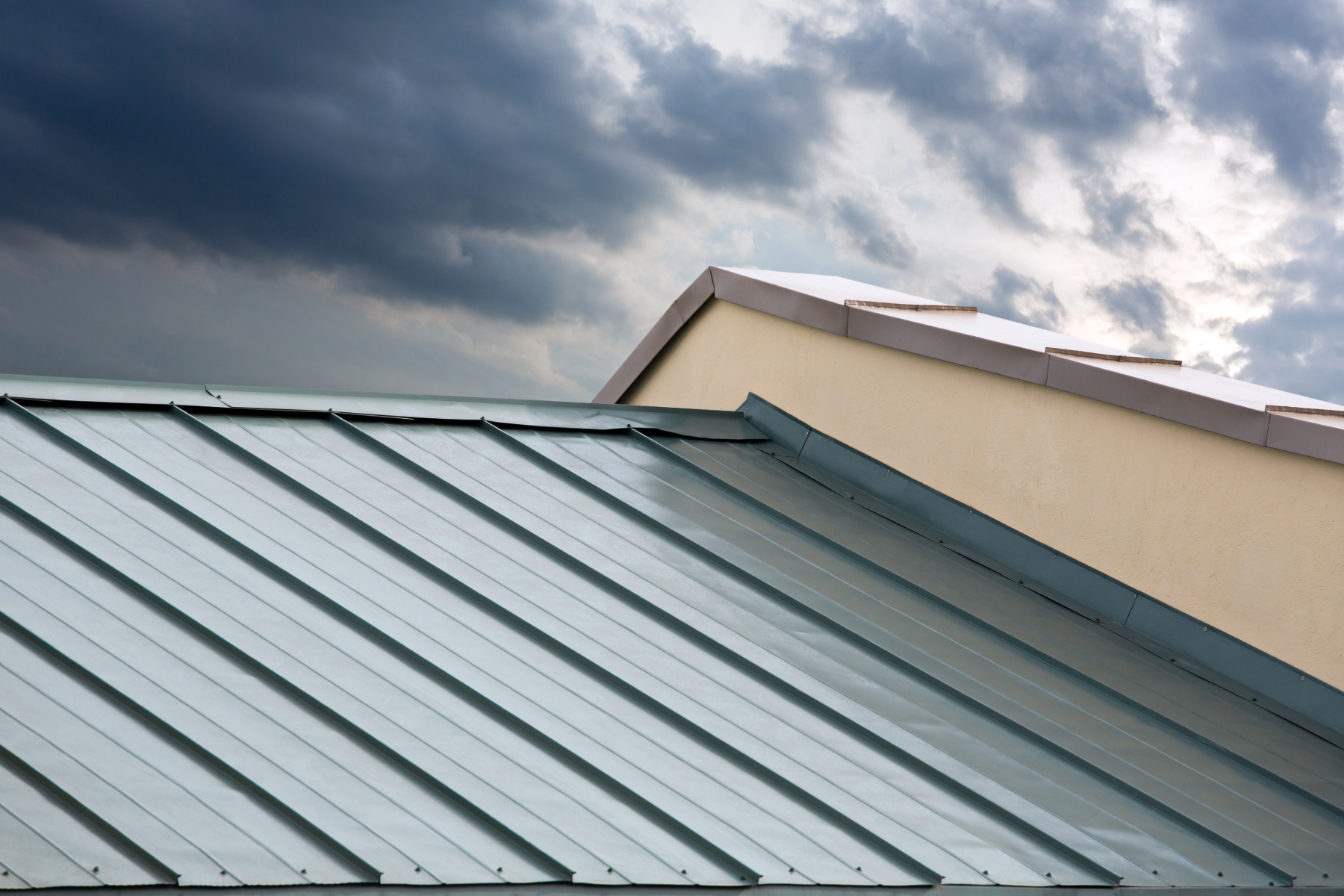
Standing seam is one of the most recognizable and durable metal roofing types. It features long, vertical panels connected by seams that rise above the flat surface. This design creates a sleek, modern look and offers excellent protection against leaks, as the seams are raised and less exposed to the elements. Standing seam metal roofing is known for its longevity and resistance to harsh weather, making it ideal for homes in regions prone to heavy rain, snow, or high winds. Additionally, the concealed fasteners provide a clean and polished finish, enhancing the aesthetic appeal of any home.
Key Benefits:
Superior durability and weather resistance
Clean, modern design with hidden fasteners
Low maintenance requirements
Excellent choice for harsh climates
Metal Shingles
For homeowners who want the look of traditional shingles with the benefits of metal, metal shingles are an excellent option. These shingles mimic the appearance of materials like slate, wood, or asphalt while offering the longevity and energy efficiency of metal. Available in various styles and colors, metal shingles are versatile enough to match any home’s design while providing superior protection against the elements.
Key Benefits:
Aesthetic versatility (can imitate other roofing materials)
Long lifespan compared to traditional shingles
Fire and impact resistance
Energy-efficient, helping reduce cooling costs in warmer climates
Corrugated Metal Panels
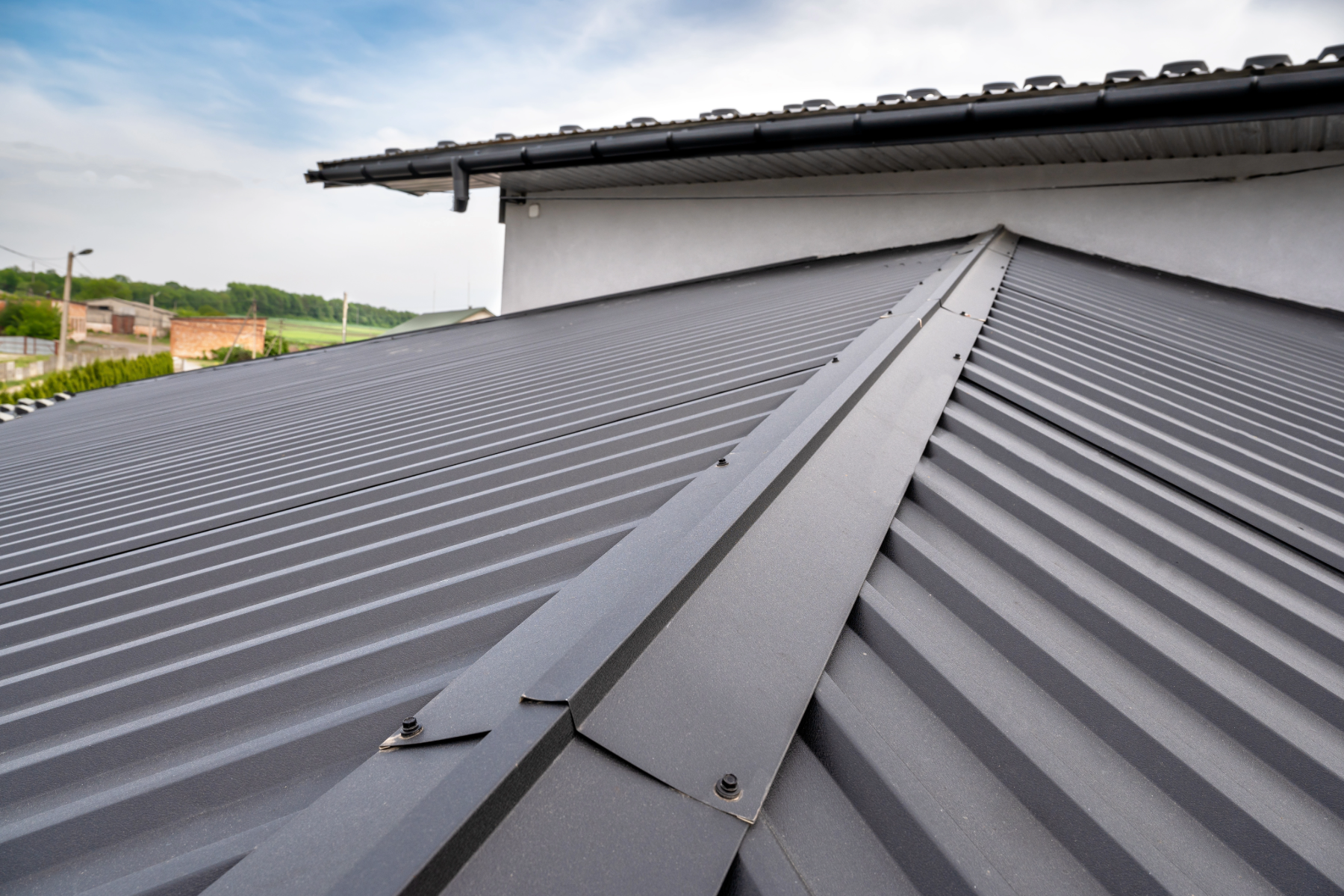
Corrugated metal roofing is often associated with industrial or agricultural buildings, but it’s becoming a popular choice for residential homes due to its affordability and strength. Featuring a distinctive wavy pattern, corrugated panels are lightweight and easy to install, making them a cost-effective option for homeowners on a budget. While they may not offer the same sleek appearance as standing seam or metal shingles, corrugated metal panels provide excellent durability and are resistant to rust and corrosion when properly treated.
Key Benefits:
Affordable and easy to install
Highly durable and resistant to rust
Lightweight, reducing structural strain on the home
Ideal for homeowners seeking a budget-friendly metal roofing option
Durability of Metal Roofing
One of the primary reasons homeowners choose metal roofing is its unmatched durability. Metal roofs are designed to last decades, significantly outlasting traditional roofing materials like asphalt shingles.
The longevity of metal roofing is often a major selling point, especially in regions where severe weather can lead to frequent roof repairs or replacements.
-
Metal roofing materials can last anywhere from 40 to 70 years, depending on the specific type of metal used and how well it’s maintained. This far surpasses the typical lifespan of asphalt shingles, which usually need to be replaced after 20 to 25 years. Homeowners who invest in metal roofing often find that the long-term savings, due to fewer repairs and replacements, justify the initial cost.
Key Benefits:Expected lifespan of 40–70 years
Requires minimal maintenance over time
Resistant to common roofing issues like cracking, shrinking, and eroding
-
Metal roofing is engineered to withstand extreme weather conditions, making it ideal for homes in areas that experience heavy rains, snow, hail, and strong winds. Most metal roofing materials are designed to resist wind speeds of up to 140 miles per hour, which is particularly beneficial in regions prone to hurricanes or tornadoes. Additionally, metal roofing does not absorb water, reducing the risk of mold or mildew growth.
Key Benefits:Superior wind, rain, and snow resistance
Non-porous surface prevents water absorption
Effective in preventing mold and mildew buildup
-
Unlike other roofing materials, metal roofs are non-combustible and often carry the highest fire-resistance rating (Class A). This makes them an excellent option for homes in areas prone to wildfires or lightning strikes. The fire-resistant properties of metal roofs not only protect the home but may also lead to lower insurance premiums.
Key Benefits:Class A fire-resistance rating
Non-combustible material
Potential for insurance savings
-
In storm-prone areas, impact resistance is another crucial factor in a roofing material’s durability. Metal roofs are highly resistant to impact damage from hail, fallen branches, and other debris, making them less likely to suffer dents or other damage compared to softer materials like asphalt shingles.
Key Benefits:Resistant to hail and other debris impact
Less prone to dents and damage
Protects home structure from falling branches or debris
-
Practical Example:
In a neighborhood prone to hail storms, a Cleveland family experienced frequent roof repairs with their asphalt shingle roof. After replacing it with a metal roof, they noticed a significant decrease in maintenance needs, even after multiple hailstorms. The roof remained intact and protected their home without requiring extensive repairs.
Energy Efficiency of Metal Roofing
In addition to its durability, metal roofing is an excellent choice for homeowners looking to enhance the energy efficiency of their homes.
Metal roofs can significantly reduce energy costs, particularly in warmer climates, by reflecting solar heat and improving insulation.
-
Metal roofs have high reflectivity, meaning they can reflect a significant portion of the sun’s rays, which helps keep homes cooler during hot summer months. This reduces the amount of heat that enters the home, lessening the strain on air conditioning systems. Some metal roofing products are treated with special reflective coatings to enhance this effect, providing even greater energy savings.
Key Benefits:Reflects solar heat, reducing indoor temperatures
Helps lower cooling costs during summer months
Reduces strain on HVAC systems
-
Many metal roofing options meet the requirements for the Energy Star label, indicating that they contribute to energy savings and environmental sustainability. Energy Star-rated metal roofs can lower peak cooling demand by as much as 10-15%, which not only saves on energy bills but can also increase the comfort of your living space.
Key Benefits:Energy Star-rated products available
May lower energy bills by 10-15%
Environmentally friendly and sustainable
-
Though metal roofs are known for reflecting heat, they also provide good insulation properties, especially when installed with proper underlayment. The combination of reflectivity and insulation helps regulate the temperature inside the home, keeping it warm in the winter and cool in the summer. This balance is especially important for homeowners looking to maintain consistent indoor temperatures year-round.
Key Benefits:Helps maintain consistent indoor temperatures
Reduces heat loss in the winter
Lowers heating and cooling costs
-
Many metal roofing products incorporate cool roofing technology, designed to reduce heat absorption. This is particularly beneficial in regions with warmer climates, where excessive heat can drive up energy consumption. Cool roofing materials typically have a higher solar reflectance and thermal emittance, allowing homes to stay cooler and reducing the need for constant air conditioning.
Key Benefits:Reduces heat absorption through cool roof technology
Ideal for homes in warm climates
Further decreases energy consumption
-
A family living in the hot summers of Tennessee opted for Energy Star-rated metal roofing with a cool roof coating. After installation, they reported a noticeable drop in their monthly cooling costs, as the roof reflected much of the sun’s heat, reducing the temperature inside their home.
How Metal Roofing Fits into Your Overall Roofing Strategy
Metal roofing is not just about choosing a durable and energy-efficient material; it also plays a key role in your home’s overall roofing strategy. When considering the broader picture, metal roofing integrates seamlessly with other roofing options and helps address common homeowner concerns like longevity, energy savings, and protection against environmental factors.
-
While metal roofing is a standout option in its own right, it can also complement other roofing materials in a mixed-material design. For example, some homeowners opt for metal roofing in key areas like dormers, porches, or awnings, where its durability and weather resistance are most needed. This hybrid approach allows homeowners to enjoy the benefits of metal roofing in critical areas while maintaining the aesthetic or budgetary advantages of other materials elsewhere.
Key Points:Works well alongside other roofing materials
Common in mixed-material designs for targeted benefits
Allows strategic use of metal roofing in high-impact areas
-
In addition to its practical benefits, metal roofing offers a wide range of design options that enhance the architectural style of your home. Whether you’re looking for a sleek, contemporary look with standing seam panels or a traditional appearance with metal shingles mimicking wood or slate, metal roofing provides versatility in design. This ability to match various home styles allows homeowners to achieve both durability and visual appeal.
Key Points:Wide variety of styles to match different home designs
Adds modern or traditional appeal depending on the selected type
Enhances curb appeal while providing long-term benefits
-
When comparing metal roofing to other materials like asphalt shingles, the initial investment may be higher. However, when considering the long-term financial benefits, metal roofing often proves to be more cost-effective. Its durability reduces the need for frequent repairs or replacements, while the energy savings it offers can help reduce monthly utility bills. Additionally, homeowners with metal roofs may see increased home values, as prospective buyers appreciate the longevity and energy-efficient features.
Key Points:Higher initial investment, but significant long-term savings
Low maintenance costs compared to other materials
Can increase property value due to durability and efficiency
-
A homeowner who initially hesitated to choose metal roofing due to the upfront cost found that over the years, their investment paid off through reduced energy bills, minimal maintenance, and the added value to their property when they eventually sold their home.

Key Takeaways
After exploring the different types of asphalt shingles, their benefits, and cost considerations, here are the main points homeowners should keep in mind:
Metal Roofing Offers Unmatched Durability
Metal roofing provides long-lasting protection for residential homes, with a lifespan of 40 to 70 years. Its superior resistance to weather conditions such as high winds, heavy rain, snow, and even fire makes it an ideal choice for homeowners seeking a low-maintenance, durable roofing solution.Energy Efficiency That Lowers Costs
Thanks to its high reflectivity and insulation properties, metal roofing helps reduce cooling and heating costs. Energy Star-rated metal roofs and cool roofing technology can lead to significant energy savings, especially in warmer climates where air conditioning use is high.Aesthetically Versatile with Multiple Design Options
Metal roofing offers homeowners a variety of design options, from sleek, modern standing seam panels to more traditional metal shingles that mimic the appearance of slate or wood. This versatility makes metal roofing an excellent choice for homes with both contemporary and traditional architectural styles.Long-Term Financial Savings
Although metal roofing may have a higher upfront cost than other materials like asphalt, the long-term savings are substantial. Metal roofs require less frequent maintenance, repairs, and replacements, while the energy savings further contribute to the overall financial benefits.
Related Articles & Resources
To further explore the advantages of metal roofing and other relevant topics, we recommend checking out the following resources:
Further Reading:
Essential Tips to Preparing Your Roof for Winter
When winter approaches, ensuring your roof is ready to withstand harsh weather conditions is essential for protecting your home.
The Importance of Regular Roof Maintenance
Your roof is more than just a shelter over your head—it's a crucial component that protects your home or building from the elements.
Additional Services:
Commercial & Residential Painting
Discover how Sidecar Construction can revitalize your home with our expert painting services.
Learn how to make sure your home is protected from water damage.
Frequently Asked Questions (FAQs)
Here are some frequently asked questions about metal roofing, along with detailed answers to help you make informed decisions:
-
Metal roofing is known for its durability and long lifespan. Depending on the type of metal used and the installation quality, metal roofs can last between 40 to 70 years, significantly longer than traditional asphalt shingles. Proper maintenance can further extend the roof’s life.
-
While the initial cost of metal roofing may be higher compared to asphalt shingles or other materials, the long-term savings in terms of energy efficiency, durability, and reduced maintenance often make metal roofs more cost-effective over time.
-
Yes, metal roofing is highly resistant to severe weather, including high winds, heavy rain, snow, and hail. Metal roofs are also fire-resistant, making them a safe option in areas prone to wildfires or lightning strikes.
-
No, metal roofing is highly reflective and can actually help reduce heat absorption. Many metal roofing options are coated with special finishes that reflect solar energy, helping to keep your home cooler during the summer months and reducing energy costs.
-
In many cases, metal roofing can be installed over an existing roof without the need for a full tear-off. However, this depends on the condition of your current roof and local building codes. A professional inspection can help determine the best approach.
Next Steps
If you're considering installing asphalt shingles or need guidance on your roofing project, Sidecar Construction is here to help. Our team of experienced professionals can assist you with everything from material selection to installation, ensuring your home is protected and aesthetically pleasing.
Schedule a Consultation: Contact us to schedule a personalized roofing consultation, where we can assess your needs and provide expert recommendations.
Request a Quote: Get a detailed cost estimate for installing or replacing your asphalt shingle roof, tailored to your home's specifications.
Explore More Roofing Options: Not sure if asphalt shingles are the best fit? Explore other roofing materials like metal or tile to find the best solution for your home.
For more information, visit our Types of Residential Roofing page or explore additional resources on roofing materials and services.