
Understanding Wood Shingles & Shakes
DETAILED INSIGHTS & INFORMATION ABOUT THE NATURAL BEAUTY, BENEFITS, & MAINTENANCE OF WOOD SHINGLES & SHAKES
Wood shingles and shakes are a popular choice for homeowners seeking a natural, rustic look for their roofs.
These materials have been used for centuries and are renowned for their aesthetic appeal. However, they come with unique maintenance requirements and considerations potential buyers should be aware of before committing to them.
In this guide, we'll provide a comprehensive look into wood shingles and shakes, discussing their benefits, drawbacks, and the best environments for installation. We’ll also link to related resources for deeper exploration.
Pros & Cons of Wood Shingles & Shakes
Advantages:
-
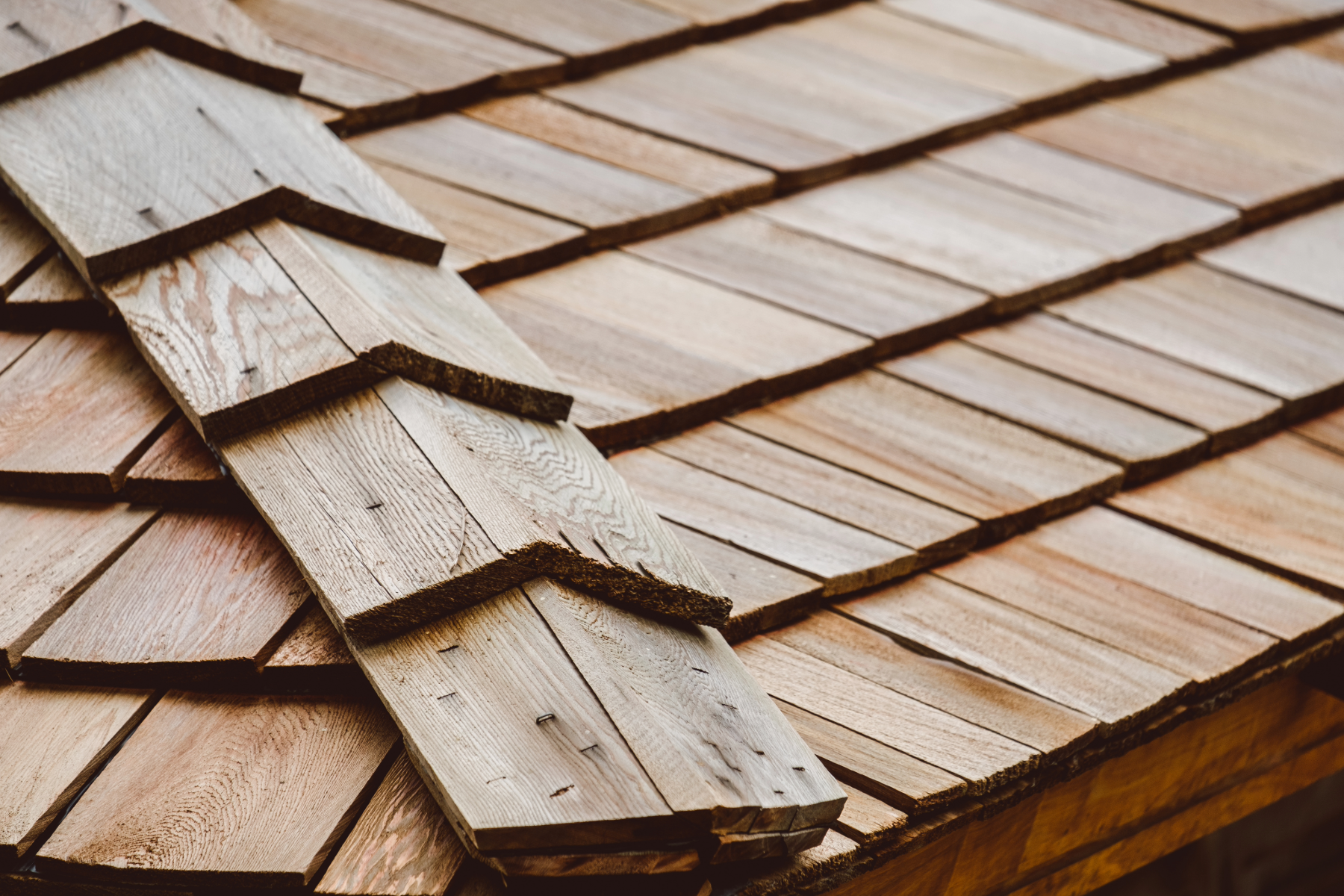
Wood shingles and shakes provide a natural, rustic beauty that enhances the overall appearance of a home. Their unique texture and organic look make them a great fit for cottages, cabins, and homes with traditional or historic architecture.
-
When properly maintained and installed in suitable climates, wood shingles and shakes can last 30-40 years. They perform well in areas with moderate weather conditions and offer good resistance to wind when installed with the correct techniques.
-
Wood is a natural insulator, helping to maintain stable temperatures inside a home. This can contribute to energy savings, particularly in colder climates where the insulating properties of wood help retain warmth.
-
Many homeowners appreciate that wood shingles and shakes are biodegradable and come from renewable sources. Depending on the wood type, these roofing materials are often sustainably harvested, making them a more environmentally responsible choice compared to synthetic materials.
Disadvantages:
-
Wood shingles and shakes are more susceptible to moisture, mold, and insect damage. Regular treatments with water repellents and preservatives are necessary to prevent decay, which can be a significant upkeep commitment for homeowners.
-
One of the primary concerns with wood roofing materials is their vulnerability to fire. Although some wood shingles and shakes are treated with fire retardants, they are still considered more flammable than alternatives like metal or tile. This makes them less desirable in areas prone to wildfires.
-
Wood shingles and shakes are generally more expensive than asphalt shingles. The cost of installation is also higher due to the labor-intensive process of fitting each shingle or shake individually.
-
While wood roofing can last for decades, it does not perform well in extremely wet or humid climates. Constant exposure to moisture can lead to warping, splitting, or decay, significantly reducing the roof's lifespan.
Maintenance Needs for Wood Shingles & Shakes
Wood shingles and shakes require regular maintenance to ensure longevity and preserve their aesthetic appeal. While they offer natural beauty, their organic composition makes them vulnerable to various environmental factors.
Regular Cleaning:
Debris like leaves, moss, and dirt can accumulate on wood roofs, trapping moisture and encouraging mold and mildew growth. It’s important to clean the roof at least twice a year, removing any buildup that could lead to moisture retention and potential damage.
Replacing Damaged Shingles or Shakes:
Over time, individual shingles or shakes may become cracked, warped, or broken. It's crucial to replace damaged pieces promptly to avoid water infiltration and potential structural damage. Proper care ensures that a wood roof can last for decades, but it requires vigilance and attention to detail.
Treatment with Water Repellents & Preservatives:
To protect wood shingles and shakes from moisture, periodic treatments with water repellents and preservatives are essential. This helps prevent issues such as warping, cracking, and decay. Most experts recommend applying these treatments every two to five years, depending on the climate and exposure to weather.
Fire Retardant Treatment:
In areas prone to wildfires, treating the roof with a fire retardant is necessary to enhance its fire resistance. Some municipalities may even require fire-retardant-treated wood shingles or shakes to meet building codes. This treatment should be reapplied periodically to maintain its effectiveness.
Inspection for Rot & Insects:
Since wood is a natural material, it is susceptible to rot and insect infestations, especially termites. Regular inspections can catch early signs of damage, such as soft spots, mold growth, or sawdust-like droppings. Homeowners should address these issues immediately to prevent further degradation of the roof.
Ventilation Considerations:
Proper roof ventilation is essential to minimize moisture buildup under wood shingles and shakes. Poor ventilation can accelerate decay and decrease the lifespan of the roof. Ensuring adequate airflow through the attic and roof structure will help reduce the risk of moisture-related damage.
Best Applications for Wood Shingles & Shakes
Wood shingles and shakes are a versatile roofing option, but they are best suited for specific climates, architectural styles, and homeowner preferences. Understanding the optimal applications can help in making an informed decision.
-
Wood shingles and shakes perform best in regions with moderate weather conditions, where extreme heat, humidity, and heavy rainfall are rare. In dry, temperate climates, wood roofing can last for decades with proper maintenance, making it a durable and attractive option for homeowners.
-
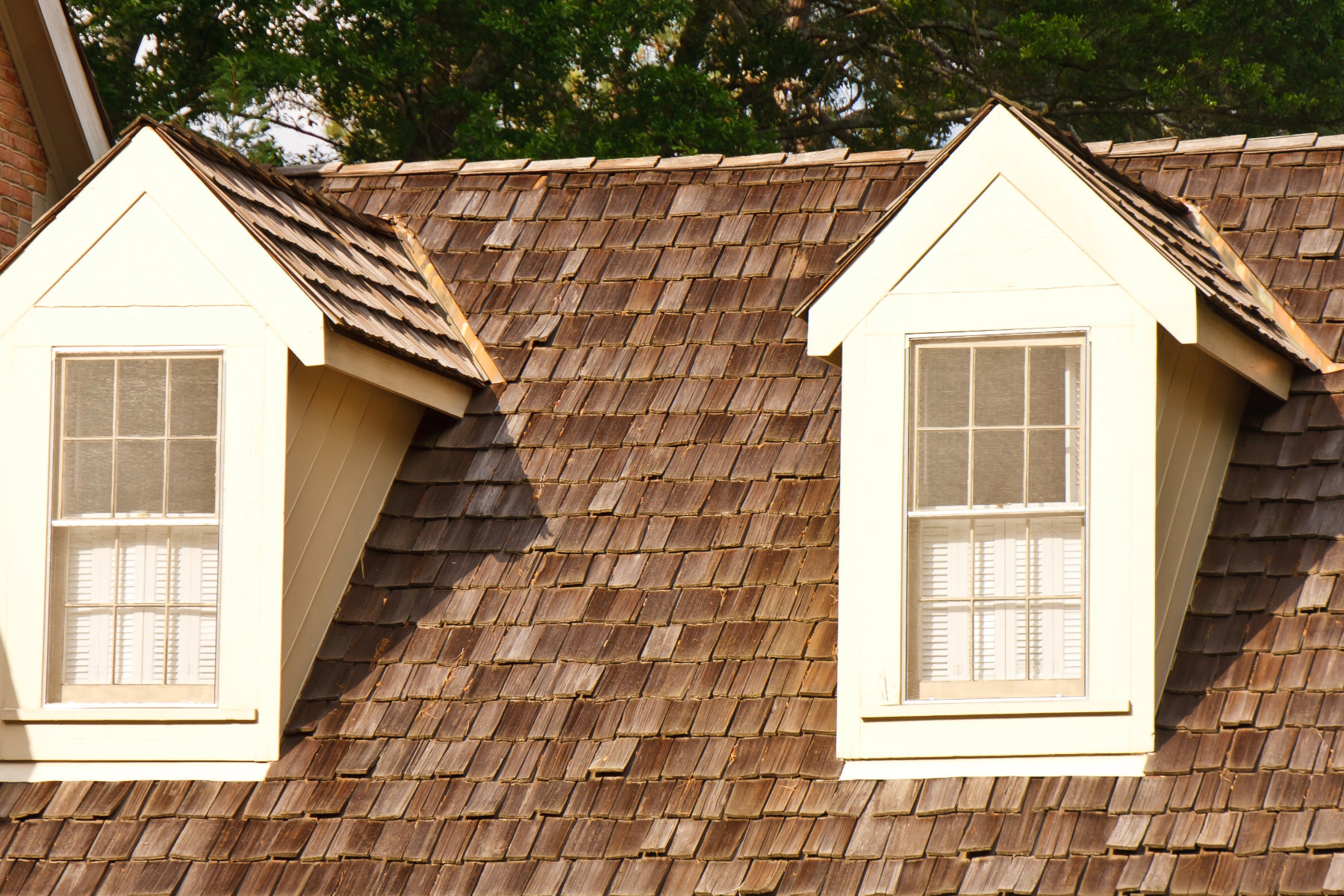
The natural appearance of wood shingles and shakes complements homes with rustic or traditional designs. They are often used on cabins, cottages, historic homes, and homes with architectural styles that emphasize natural materials. Their weathered look over time adds character, enhancing the aesthetic appeal of such properties.
-
For environmentally conscious homeowners, wood shingles and shakes are appealing due to their sustainable and biodegradable nature. Many wood roofing materials come from sustainably harvested sources, making them a greener option compared to synthetic or petroleum-based materials. These roofing materials also contribute to a reduced carbon footprint during production.
-
Wood shingles and shakes are often chosen for custom-built homes, where aesthetics and craftsmanship are prioritized. These roofing materials are more labor-intensive to install, but the result is a premium, high-end look that sets a home apart from those with more common roofing options like asphalt or metal.
-
Thanks to their natural insulating properties, wood shingles and shakes help keep homes cooler in the summer and warmer in the winter. This makes them a great choice for homeowners looking to improve the energy efficiency of their homes, particularly in regions where moderate insulation is beneficial.
-
Wood shingles and shakes should be avoided in regions prone to wildfires unless treated with fire-retardant chemicals. For areas with low fire risk, untreated wood shingles and shakes may still be suitable, but homeowners in higher-risk areas must ensure compliance with local building codes regarding fire safety.
How Wood Shingles & Shakes Relate to Other Roofing Options
When comparing wood shingles and shakes to other roofing materials, it’s important to consider how they fit into the broader spectrum of residential roofing options. Each material has its own benefits, drawbacks, and ideal use cases, which can help homeowners determine the best fit for their needs.
-
While wood shingles and shakes offer a distinct, natural beauty, they require more maintenance than other materials like asphalt or metal. Asphalt shingles, for example, are a more affordable and lower-maintenance option, but they lack the unique charm of wood. Metal roofing, on the other hand, is extremely durable and long-lasting, but some homeowners may find its industrial look less appealing than wood.
-
Wood roofing materials have a significant environmental advantage over synthetic options like asphalt or composite materials. Wood shingles and shakes come from renewable sources, and they are biodegradable, making them a more eco-friendly choice. However, metal roofing is also considered environmentally friendly, particularly when made from recycled materials, and it has the added benefit of extreme durability and energy efficiency.
-
Wood shingles and shakes excel in moderate climates but may struggle in extremely wet or humid environments. In contrast, tile roofing and slate are ideal for areas with heavy rainfall or temperature fluctuations, as they are resistant to water absorption. Metal roofing performs well in both hot and cold climates due to its ability to reflect heat and withstand harsh weather.
-
Fire resistance is a key concern for homeowners in fire-prone areas. While wood shingles and shakes can be treated with fire retardants, materials like metal, slate, and tile naturally offer better fire resistance. Homeowners in areas with high fire risk may prefer to choose one of these alternative materials to ensure compliance with safety standards.
-
Wood shingles and shakes are generally more expensive than asphalt shingles but less costly than premium materials like slate. For homeowners looking to balance aesthetics with budget constraints, wood can be an appealing mid-range option. However, the long-term costs associated with maintenance and repairs should be factored into the decision.
Key Takeaways for Wood Shingles & Shakes
After exploring the different types of tile roofing options, their benefits, and cost considerations, here are the main points homeowners should keep in mind:
Takeaway 1: Natural Aesthetic Appeal
Wood shingles and shakes offer a unique, rustic charm that enhances the appearance of traditional and custom homes. Their organic texture and weathered look over time make them a popular choice for homeowners looking to create a distinctive, natural look.
Takeaway 2: Higher Maintenance Requirements
While wood roofing provides natural beauty, it comes with higher maintenance needs compared to other materials. Regular cleaning, treatment, and inspections are essential to prevent damage from moisture, insects, and decay.
Takeaway 3: Ideal for Moderate Climates
Wood shingles and shakes are best suited for homes in moderate climates, where extreme humidity or wet conditions are not common. Their natural insulation properties also make them an energy-efficient option for these regions.
Takeaway 4: Consider Fire & Weather Resistance
In areas prone to wildfires or harsh weather, homeowners may need to explore alternatives like metal, slate, or tile for better fire resistance and durability. Fire-retardant treatments are available but may not offer the same level of protection as naturally resistant materials.
Related Articles & Resources
To further explore the advantages of wood shingles roofing and other relevant services, we recommend checking out the following resources:
Further Reading:
Essential Tips to Preparing Your Roof for Winter
When winter approaches, ensuring your roof is ready to withstand harsh weather conditions is essential for protecting your home.
The Importance of Regular Roof Maintenance
Your roof is more than just a shelter over your head—it's a crucial component that protects your home or building from the elements.
Additional Services:
Commercial & Residential Painting
Discover how Sidecar Construction can revitalize your home with our expert painting services.
Learn how to make sure your home is protected from water damage.
Frequently Asked Questions (FAQs)
Here are some frequently asked questions about wood shingle and shake roofing options, along with detailed answers to help you make informed decisions:
-
With proper maintenance, wood shingles and shakes can last between 30 to 40 years, depending on the climate and care. Regular cleaning, treatment, and inspections are key to ensuring longevity.
-
Wood shingles and shakes can be treated with fire retardants to increase their resistance. However, untreated wood roofing is more vulnerable to fire than other materials like metal or slate. Fire-retardant treatments should be reapplied periodically to maintain their effectiveness.
-
Wood shingles and shakes should be treated with water repellents and preservatives every two to five years, depending on the climate. Homes in wet or humid regions may require more frequent treatments to prevent decay and moisture damage.
-
Wood shingles and shakes are ideal for homes with traditional, rustic, or historic architectural styles. They also work well for custom-built homes where aesthetic appeal is a priority.
-
Yes, wood shingles and shakes are a sustainable and biodegradable roofing option. Many are sourced from renewable materials, making them an eco-friendly choice compared to synthetic alternatives like asphalt.
Next Steps
If you’re considering wood shingles or shakes for your next roofing project, our team at Sidecar Construction is here to help.
Our experts can guide you through the selection process, ensuring you choose the right roofing material for your home’s specific needs.
For more information, visit our Types of Residential Roofing page or explore additional resources on roofing materials and services.
Schedule a Consultation
Our expert team is available to discuss your roofing needs and provide personalized recommendations. Whether you're looking for wood shingle or shake options or exploring other materials, we’ll guide you through the process to ensure your home gets the best protection and aesthetic upgrade.Request a Roofing Estimate
Curious about the costs involved with a new roof? Get a detailed, no-obligation estimate for your roofing project. We’ll break down the pricing for materials, installation, and any necessary structural adjustments, so you can plan your project with confidence.Explore Our Roofing Projects
See examples of our previous work to get inspiration for your roofing project.