
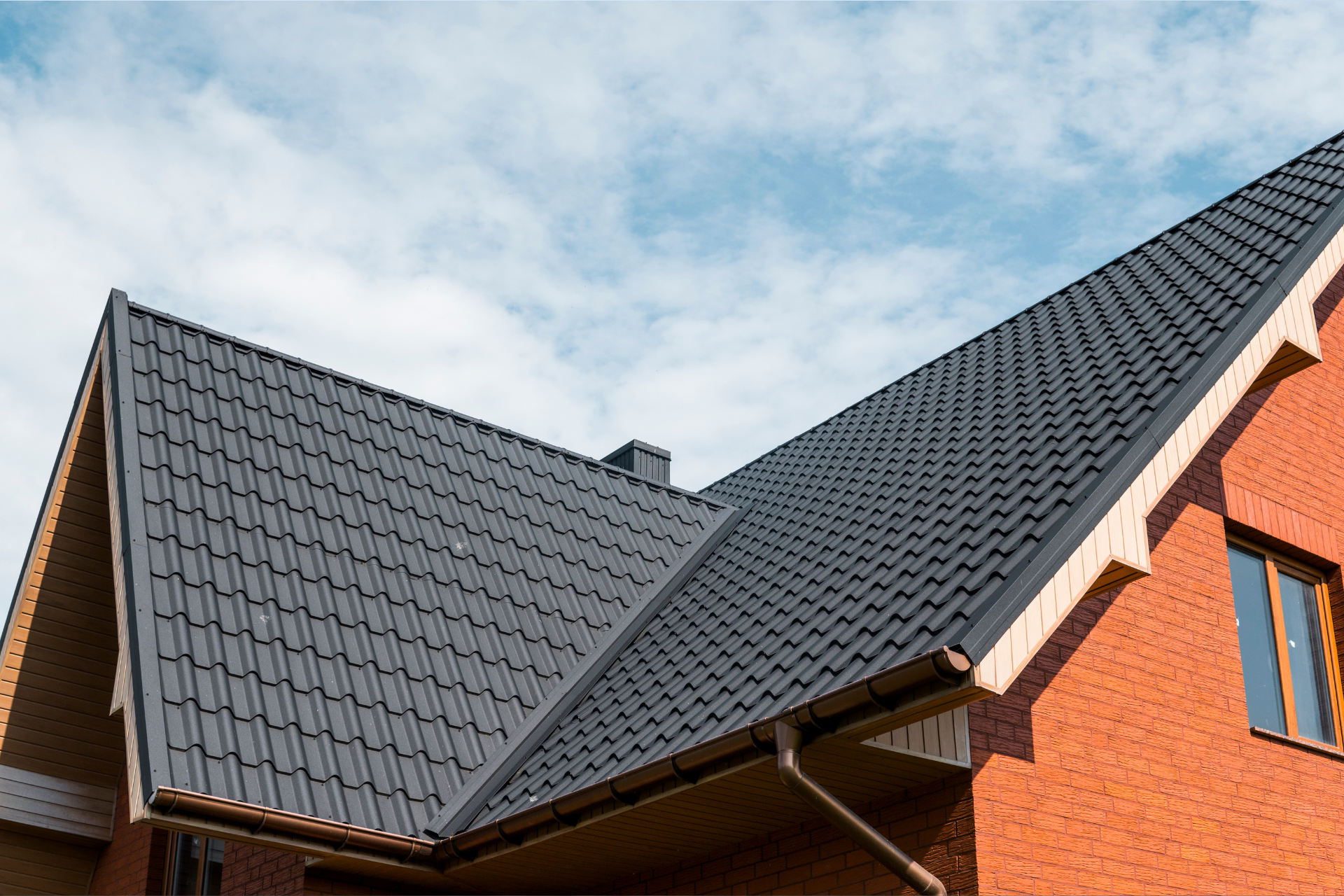
Understanding Synthetic Roofing Materials
EXPLORING MODERN ALTERNATIVES LIKE RUBBER & COMPOSITE ROOFING FOR RESIDENTIAL HOMES
As homeowners continue to seek durable, eco-friendly, and cost-effective roofing options, synthetic roofing materials have emerged as a modern alternative to traditional materials like asphalt and wood.
Synthetic roofing includes options such as rubber and composite materials, offering homeowners innovative solutions that balance performance, aesthetics, and sustainability. This guide explores the benefits, applications, and types of synthetic roofing materials, helping you determine if this option is right for your home.
With growing environmental awareness and the need for durable, cost-effective materials, synthetic roofing has become a viable option for modern homes.
This article complements the Types of Residential Roofing pillar page by diving deeper into synthetic roofing as a practical, innovative choice for homeowners.
Types of Synthetic Roofing Materials
Synthetic roofing materials are designed to replicate the appearance of natural roofing options while providing additional durability and sustainability. Below are the primary types of synthetic roofing materials and their unique benefits.
Rubber Roofing
Rubber roofing, commonly made from recycled rubber materials such as old tires, is both eco-friendly and highly durable. This type of roofing is designed to mimic the appearance of traditional materials like slate or wood, offering homeowners a sustainable alternative with excellent weather resistance.
Key Benefits:
Eco-Friendly Option: Since rubber roofing is often made from recycled materials, it reduces the environmental impact associated with roof replacements.
Durability: Rubber is highly resistant to cracks, punctures, and other common forms of damage, making it an excellent choice for regions with severe weather conditions.
UV Protection: Rubber roofing materials are designed to resist damage from UV rays, which helps maintain their integrity over time.
Low Maintenance: Rubber roofs require minimal upkeep compared to traditional materials like asphalt or wood, which need frequent repairs or replacements.
Energy Efficiency: Rubber roofing reflects heat, making it an energy-efficient option that can help reduce cooling costs during hot months.
Best Applications: Rubber roofing is ideal for homes in regions prone to extreme weather conditions, such as hail, snow, or high winds. It also works well for homeowners looking for a sustainable roofing solution that minimizes environmental impact.
Composite Roofing
Composite roofing materials are made from a blend of high-quality plastics, rubber, and other materials. Composite shingles or tiles are designed to look like premium roofing materials such as wood shakes, slate, or clay tiles, but offer superior durability and easier maintenance.
Key Benefits:
Aesthetic Appeal: Composite roofing can replicate the look of more expensive materials like slate or wood, allowing homeowners to achieve a premium appearance without the associated costs or maintenance challenges.
Fire Resistance: Unlike natural materials like wood, composite roofing is resistant to fire, making it a safer option for homes in fire-prone areas.
Longevity: Composite roofing materials are designed to last 40-50 years with minimal maintenance, making them a long-lasting option that outperforms many traditional materials.
Weather Resistance: Composite shingles are designed to withstand harsh weather conditions, including high winds, heavy rain, and hail. They also resist fading and cracking over time.
Lightweight: Composite roofing is significantly lighter than materials like slate or clay, which means it can be installed on most homes without requiring additional structural support.
Best Applications: Composite roofing is suitable for homeowners looking for a low-maintenance, aesthetically pleasing roofing option that mimics the look of natural materials. It’s also an excellent choice for homes in regions with diverse weather conditions.
Benefits of Synthetic Roofing Materials
-
Overview: One of the key advantages of synthetic roofing materials is their environmental sustainability. Many synthetic roofs, particularly rubber options, are made from recycled materials, reducing the need for new resources and minimizing waste.
Key Benefits:
Reduces landfill waste by repurposing old tires and plastics.
Synthetic materials often have a longer lifespan than traditional options, reducing the frequency of roof replacements and conserving resources.
-
Overview: Synthetic roofing materials are engineered to withstand extreme weather conditions, including high winds, heavy rain, snow, and hail. They are less prone to cracking, warping, or breaking under stress, making them a reliable option for long-term protection.
Key Benefits:
High resistance to impact damage, making them ideal for areas prone to hailstorms.
Superior resistance to UV damage compared to natural materials, which helps to maintain color and structural integrity over time.
Synthetic roofs typically come with long warranties, often lasting up to 50 years.
-
Overview: Unlike traditional materials like wood, which require regular sealing and maintenance to prevent rot and decay, synthetic materials are virtually maintenance-free. They don’t require painting, sealing, or regular repairs, saving homeowners time and money over the lifespan of the roof.
Key Benefits:
Resistant to algae and mold growth, particularly in humid environments.
Lower maintenance costs over the lifespan of the roof compared to natural materials.

Applications of Synthetic Roofing Materials
-
Overview: Synthetic roofing materials are versatile and can be used on a variety of residential homes, from modern to traditional designs. Whether you are seeking a sleek, contemporary look or a more rustic appearance, synthetic roofing materials can be tailored to fit your aesthetic needs.
Best Fit: Ideal for homeowners looking for a blend of durability, sustainability, and aesthetic appeal. Synthetic materials like rubber and composite are particularly popular in regions with extreme weather conditions or for homeowners looking to reduce their environmental impact.
-
Overview: Commercial properties can benefit from synthetic roofing materials due to their durability and energy efficiency. Rubber and composite roofing options are particularly well-suited for flat roofs commonly seen in commercial buildings.
Best Fit: Ideal for businesses seeking a cost-effective, long-lasting roofing solution that requires minimal maintenance and offers protection against harsh weather conditions.
-
Overview: Synthetic roofing materials are also used in the restoration of historical or heritage properties, where the appearance of natural materials like slate or wood is required, but without the cost or maintenance burden.
Best Fit: Ideal for homeowners or organizations looking to preserve the historical aesthetic of a building while benefiting from modern material advantages.
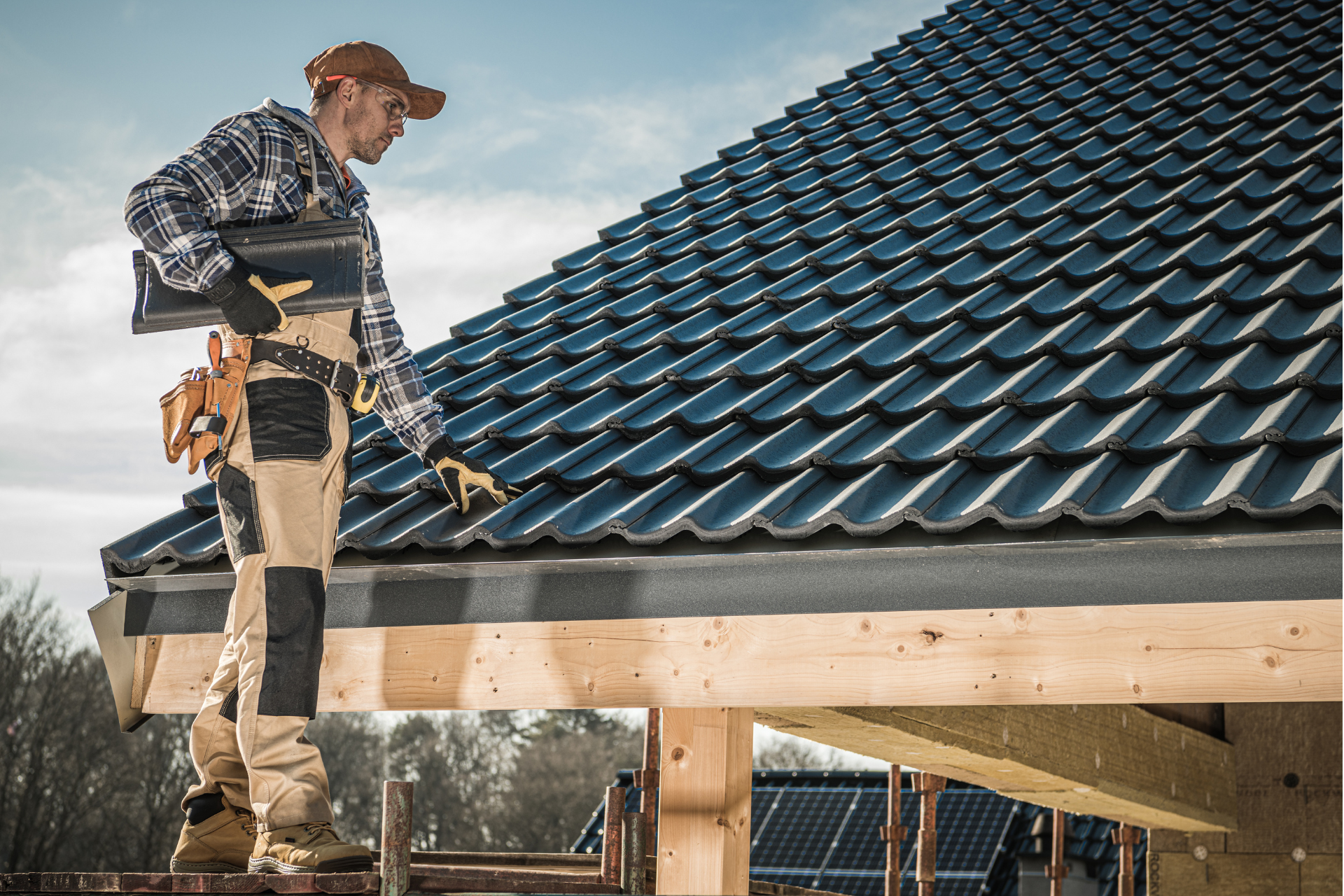
Key Takeaways for Synthetic Roofing
After exploring the various types of synthetic roofing materials and their benefits, here are the key points homeowners should consider when evaluating this modern alternative:
Takeaway 1: Durability & Longevity
Synthetic roofing materials like rubber and composite offer exceptional durability, often outlasting traditional materials such as wood and asphalt. With a lifespan of up to 50 years, they are a long-term solution that can save homeowners money on future replacements.
Takeaway 2: Eco-Friendly & Sustainable
Many synthetic roofing options, especially rubber roofs, are made from recycled materials, contributing to a more sustainable and environmentally friendly home. This makes synthetic materials a smart choice for homeowners who prioritize sustainability.
Takeaway 3: Low Maintenance & Cost-Effective
Synthetic roofing materials are highly resistant to weather damage, mold, and fading, which means less upkeep over time. While the initial investment may be higher than traditional options, the reduced maintenance costs and longevity make synthetic roofs a cost-effective solution.
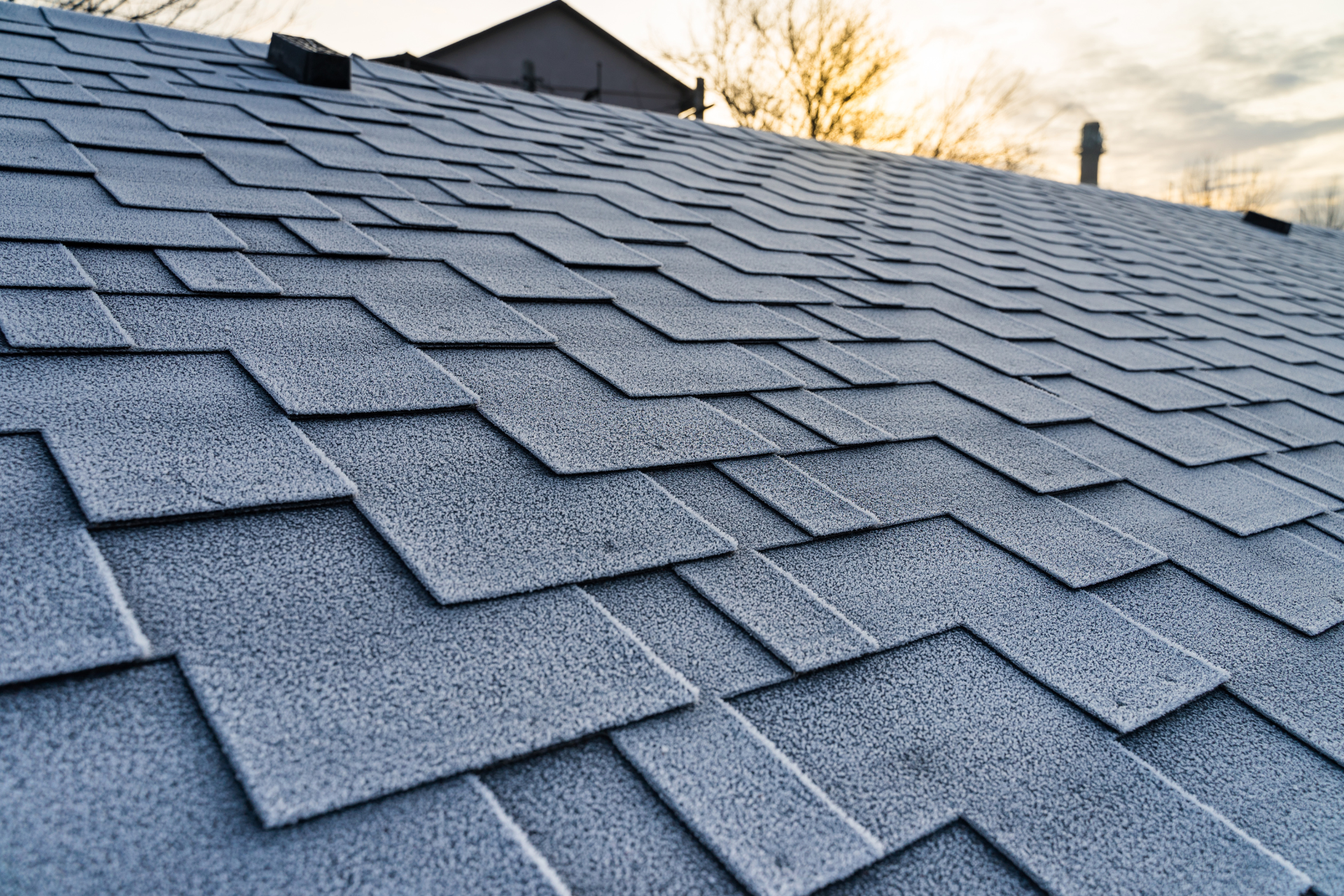
Related Articles & Resources
For those looking to explore more information about synthetic roofing materials and other roofing solutions, here are additional articles and resources that provide further insights:
Further Reading:
Essential Tips to Preparing Your Roof for Winter
When winter approaches, ensuring your roof is ready to withstand harsh weather conditions is essential for protecting your home.
The Importance of Regular Roof Maintenance
Your roof is more than just a shelter over your head—it's a crucial component that protects your home or building from the elements.
Additional Services:
Commercial & Residential Painting
Discover how Sidecar Construction can revitalize your home with our expert painting services.
Learn how to make sure your home is protected from water damage.
Frequently Asked Questions (FAQs)
Here are some frequently asked questions about synthetic roofing materials, along with detailed answers to help homeowners make informed decisions:
-
Synthetic roofing materials, such as rubber and composite, typically last between 40 and 50 years with proper maintenance. Their durability often surpasses traditional materials like asphalt, making them a great long-term investment for homeowners.
-
Yes, many synthetic roofing materials, particularly rubber roofing, are made from recycled materials like old tires. This makes them a sustainable choice for homeowners who want to reduce their environmental impact.
-
The cost of synthetic roofing materials depends on the type (rubber or composite) and the size of your roof. On average, synthetic roofing can cost more upfront than traditional materials like asphalt, but it offers long-term savings due to its durability and low maintenance requirements.
-
Synthetic roofing materials are designed to be low-maintenance. They are highly resistant to weather damage, mold, and fading, requiring less frequent repairs compared to natural materials like wood or asphalt.
-
Yes, synthetic roofing materials, particularly composite options, are designed to replicate the appearance of natural materials like wood shakes, slate, and tile, providing homeowners with aesthetic flexibility without the drawbacks of traditional materials.
Next Steps
If you're considering synthetic roofing materials for your home or want to learn more about the available options, Sidecar Construction is here to help you through every step of the process. Here's what you can do next:
For more information, visit our Types of Residential Roofing page or explore additional resources on roofing materials and services.
Schedule a Consultation:
Book a personalized consultation with our roofing experts to discuss the benefits and applications of synthetic roofing materials for your home. We'll assess your needs and help you choose the best solution for long-term durability and sustainability.
Request a Quote:
Get a detailed cost estimate for installing or replacing your roof with synthetic materials like rubber or composite. Our team will provide a transparent breakdown of the materials and labor involved, so you can make an informed decision.
Explore Other Roofing Options:
Not sure if synthetic roofing is the right fit? Explore other roofing materials, such as metal, tile, or asphalt, and compare their benefits to find the perfect match for your home.