Essential Outdoor Kitchen Planning Features for Year-Round Use
An outdoor kitchen can completely transform the way you use your backyard. Instead of running back and forth between your indoor kitchen and the grill, a dedicated outdoor cooking space brings everything together in one spot, making entertaining easier and everyday meals more enjoyable. In Tennessee, where mild springs and long summers create ideal conditions for outdoor living, a well-designed cooking area can extend your usable space for most of the year.
The key to getting the most value from an outdoor kitchen is planning it for year-round functionality, not just warm-weather grilling. With the right layout, materials, and protective features, your outdoor kitchen can handle Tennessee's humid summers, rainy springs, and chilly winter evenings. Whether you are adding a new outdoor living space or upgrading an existing patio, thoughtful planning makes all the difference.
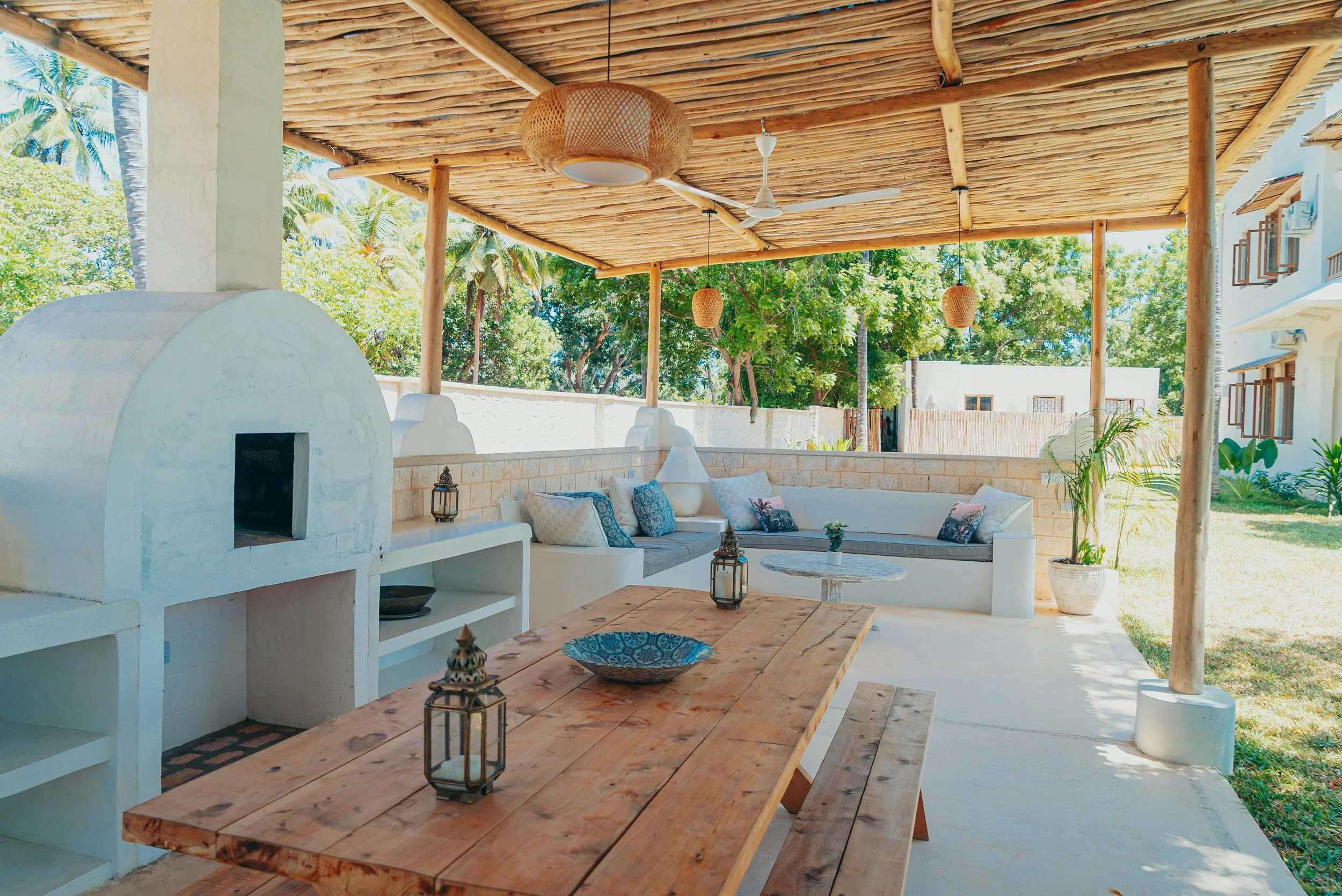
Why Tennessee Is Ideal for Outdoor Kitchens
Tennessee's climate is well suited to outdoor living for a large portion of the year. The state enjoys roughly eight to nine months of comfortable outdoor temperatures, with spring arriving early and fall lingering well into November. Even during the cooler winter months, Tennessee rarely experiences the prolonged deep freezes common in northern states, which means a properly equipped outdoor kitchen remains usable in every season.
The culture in Tennessee also supports outdoor cooking and entertaining. Backyard barbecues, family gatherings, and holiday celebrations are deeply rooted in the region's lifestyle. Having a dedicated outdoor kitchen elevates these experiences from basic grilling to full-scale meal preparation, complete with counter space, storage, and comfortable seating areas. Homeowners across the state are increasingly recognizing that outdoor living enhancements add real value to both their daily routines and their property's resale potential.
Tennessee's landscape also plays a role. Many homes in the Cleveland area and surrounding counties sit on generous lots with scenic views, making the backyard a natural gathering spot. An outdoor kitchen takes advantage of that space and turns it into a true extension of your home.
Essential Features for Year-Round Outdoor Kitchens
Building an outdoor kitchen that works in every season requires specific features designed to handle weather changes, provide comfort, and support full cooking capability. Not every backyard kitchen needs to be a large-scale build, but certain elements are critical for year-round use.
Here are the features that make the biggest difference:
A Solid Roof or Pergola Cover
A solid roof or pergola cover protects your cooking area from rain, intense sun, and falling debris. Covered structures extend the usability of your kitchen into cooler and wetter months and help protect appliances and countertops from weather damage. A screened-in option adds further protection from insects during warmer months.
A Built-in Grill and Cooking Station
A built-in grill and cooking station serve as the centerpiece of any outdoor kitchen. Opt for a high-quality gas or charcoal grill with enough BTU output to handle cold-weather cooking. Adding a side burner, smoker, or pizza oven expands your menu options and makes the space more versatile.
Durable Countertop Materials
Durable countertop materials are essential for withstanding Tennessee's humidity and temperature swings. Granite, concrete, and porcelain tile all perform well outdoors. Avoid materials that stain easily or crack with temperature changes, as they will not hold up through multiple seasons.
Adequate Lighting
Adequate lighting extends your kitchen's usability into the evening hours, which is especially important during shorter winter days. Task lighting over the grill and prep areas, combined with ambient lighting for dining and socializing, creates a welcoming atmosphere after dark.
Heating Elements
Heating elements like a built-in fireplace, fire pit, or infrared heater keep the space comfortable during Tennessee's cooler months. Positioning heat sources near the seating and dining areas ensures guests stay warm even on chilly fall and winter evenings.
Weather-resistant Storage and Cabinetry
Weather-resistant storage and cabinetry built from marine-grade materials or stainless steel keep supplies, utensils, and condiments organized and protected. Closed storage prevents moisture damage and keeps pests out of your cooking area.
Water Source and Sink
A reliable water source and sink make food prep and cleanup convenient without requiring trips inside. A hot water connection is a bonus that adds year-round comfort, especially during cooler months.
These features work together to create a space that feels like a natural extension of your indoor kitchen rather than a seasonal afterthought.
Planning Your Outdoor Kitchen Step by Step
A successful outdoor kitchen project starts long before construction begins. Careful planning ensures that your finished space meets your cooking needs, fits your property, and stays within budget.
Here are six steps to guide your planning process:
1. Define How You Will Use the Space
Think about the types of meals you want to prepare, how often you will entertain, and how many people you typically host. A couple that enjoys quiet weeknight dinners will have different needs than a family that hosts large holiday gatherings. Defining your primary use case helps determine the size, layout, and equipment your kitchen requires.
2. Choose the Right Location
Position your outdoor kitchen with both convenience and comfort in mind. It should be close enough to your indoor kitchen for easy access to refrigeration and supplies, but far enough from the house to prevent smoke from drifting inside. Consider prevailing wind patterns, sun exposure at different times of day, and proximity to existing utility connections for gas, water, and electricity.
3. Plan the Layout Around a Work Triangle
Just like an indoor kitchen, an outdoor cooking space works best when the grill, prep area, and sink are positioned in a functional triangle. This layout minimizes unnecessary movement while cooking and keeps everything within reach. An L-shaped or U-shaped counter configuration is popular for outdoor kitchens because it provides ample work surface while creating a natural barrier between the cooking and dining zones.
4. Select Materials Built for Your Climate
Every surface in your outdoor kitchen will be exposed to Tennessee's sun, rain, humidity, and temperature changes. Choose materials that can handle these conditions without deteriorating. Stainless steel appliances resist rust and corrosion. Natural stone or stamped concrete flooring provides a durable, slip-resistant base. For the structure itself, materials that complement your home's existing architecture create a cohesive look between indoor and outdoor spaces.
5. Budget for Utilities and Infrastructure
Outdoor kitchens require connections for gas, water, electricity, and potentially drainage. These utility runs can represent a significant portion of your project budget, especially if your desired location is far from existing connections. Getting a clear picture of infrastructure costs early in the planning process prevents surprises once construction is underway. Reviewing the typical project process can help you understand what to expect.
6. Factor in Permits and Local Codes
Most outdoor kitchen projects in Tennessee require permits, especially when gas lines, electrical work, or structural elements are involved. Check with your local building department before breaking ground to ensure your plans meet all applicable codes. A qualified contractor will handle the permitting process and ensure everything is built to standard.
Following these steps creates a clear roadmap from concept to completion and helps you avoid common planning mistakes.
Choosing Materials That Last in Tennessee Weather
Material selection is one of the most important decisions in outdoor kitchen planning. Tennessee's combination of heat, humidity, and seasonal rain means every surface and component needs to stand up to the elements without requiring constant replacement or repair.
For the kitchen structure and base, concrete block and natural stone are the most durable options. Both materials resist moisture, insects, and temperature-related cracking. Brick is another strong choice that offers a classic look and integrates well with many Tennessee home styles. If you prefer a lighter framework, steel framing wrapped in weather-resistant cladding provides structural strength with flexibility in the finished appearance.
Countertops see heavy use in any kitchen, and outdoor installations face even more stress from weather exposure. Granite remains a top choice for outdoor kitchens because it handles heat from hot pots and pans, resists staining, and holds up well through freeze-thaw cycles when properly sealed. Concrete countertops offer a more customizable look and can be tinted or textured to match your design preferences, though they require periodic resealing. Tile countertops work well too, as long as you choose porcelain or natural stone tiles with grout lines sealed against moisture.
Flooring should prioritize safety and durability. Stamped concrete, natural flagstone, and porcelain pavers all provide slip-resistant surfaces that drain well and resist cracking. Avoid polished surfaces that become slippery when wet, and make sure your flooring material can handle the weight of heavy appliances and foot traffic from gatherings.
For cabinetry and storage, marine-grade polymer and 304-grade stainless steel are the industry standards for outdoor use. Both materials resist rust, warping, and UV damage, and they clean easily after cooking sessions. Wood cabinetry can work in covered outdoor kitchens but requires significantly more maintenance to prevent moisture-related issues in Tennessee's climate.
Adding Comfort Features for Every Season
The difference between a basic outdoor grill setup and a true four-season outdoor kitchen often comes down to the comfort features surrounding the cooking area. These additions make the space inviting regardless of the weather and encourage your family to use it throughout the year.
A sunroom or covered structure adjacent to your outdoor kitchen provides a sheltered dining area that works in rain or shine. Retractable screens or curtains add another layer of flexibility, allowing you to open the space up on beautiful days and close it off when wind, rain, or insects become a factor. Ceiling fans keep air moving during humid summer months, while built-in heaters or a fireplace extend comfort well into the colder season.
Audio systems, weatherproof televisions, and USB charging stations are increasingly popular additions that enhance the entertaining experience. These technology features, paired with thoughtful landscape lighting along pathways and around the dining area, turn your outdoor kitchen into a destination that guests want to spend time in long after the meal is finished.
Comfortable, weather-resistant seating is another element worth investing in. High-quality outdoor furniture with quick-dry cushions and rust-proof frames ensures your dining and lounging areas remain welcoming without constant storage and setup. For homeowners considering custom features as part of a larger build or renovation, integrating seating, storage, and comfort elements into the overall design creates a more polished finished product.
Conclusion
An outdoor kitchen is one of the most rewarding investments you can make in your Tennessee home. With the right combination of protective covering, quality materials, functional layout, and comfort features, your outdoor cooking space can serve you well through every season. The planning process takes time and attention, but the result is a space that enhances daily living and adds lasting value to your property. When you are ready to start designing your outdoor kitchen, explore the projects Sidecar Construction has completed and connect with our team to begin bringing your vision to life.
At Sidecar Construction, we're committed to delivering exceptional quality and service for all your construction needs. If you have any questions or are ready to start your next project, contact us today. Let's build something great together!