Comparing Which Siding Materials Works Best in Tennessee's Climate
Tennessee's weather puts your home's exterior to the test. Between hot, humid summers, unpredictable spring storms, and winter freezes, the siding you choose needs to hold up against a wide range of conditions. Selecting the right material is about more than curb appeal. It directly impacts how well your home is protected, how much you spend on maintenance over time, and how long your investment lasts.
Whether you are building a new home or planning a siding replacement project, understanding how each material performs in Tennessee's specific climate will help you make a confident decision. In this guide, we will break down the most popular siding options, examine how they respond to local weather, and help you determine which material best fits your needs.
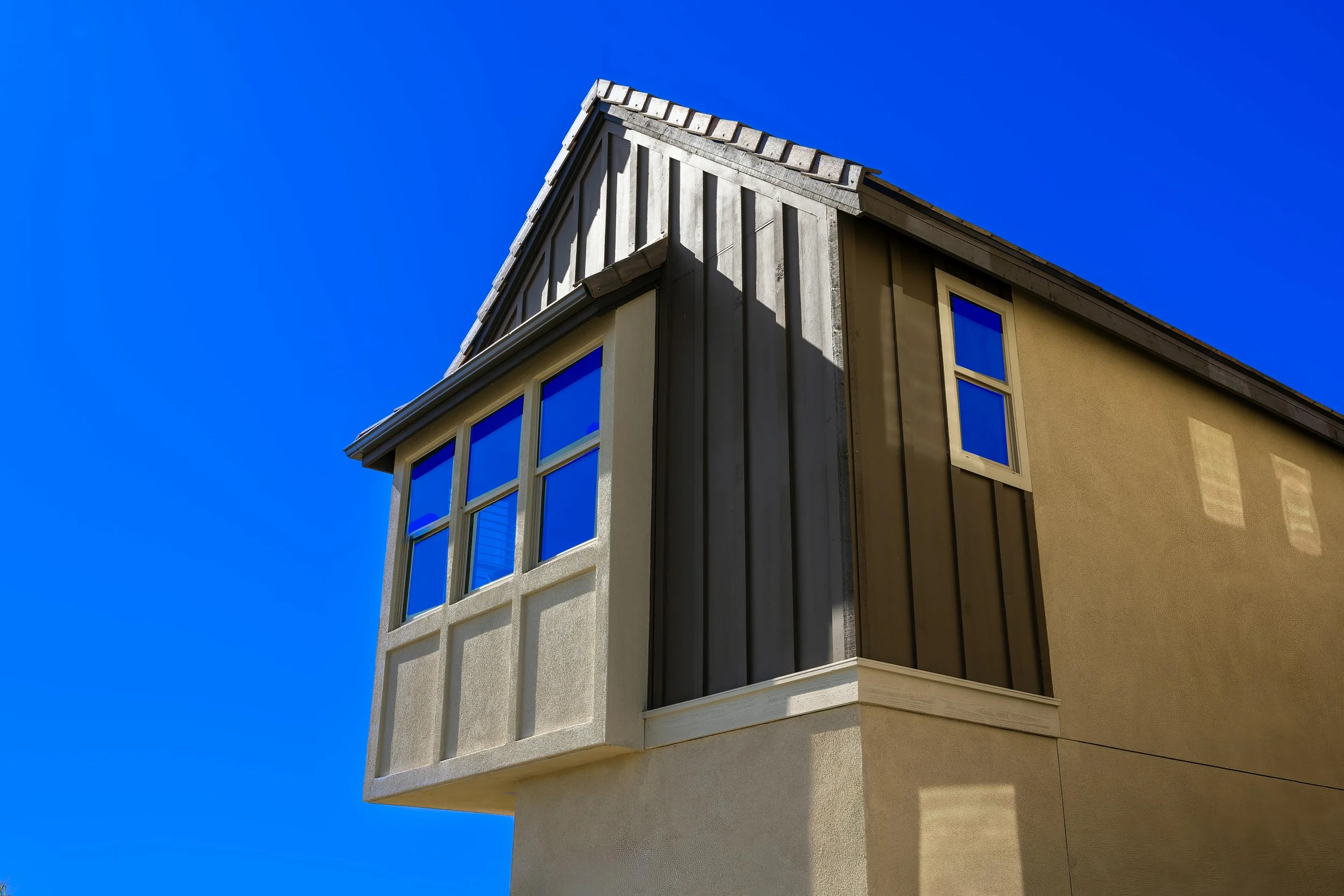
Popular Siding Materials at a Glance
Before diving into climate performance, it helps to understand the core characteristics of each siding type. Every material brings a different balance of durability, aesthetics, and cost to the table.
Here are the most common siding materials used on Tennessee homes:
Vinyl Siding
Vinyl siding is one of the most affordable and widely installed options. Modern vinyl comes in a broad range of colors and textures, requires very little upkeep, and resists moisture well. However, it can become brittle in extreme cold and may warp under prolonged intense heat.
Fiber Cement Siding
Fiber cement siding combines cement, sand, and cellulose fibers to create a highly durable product that resists fire, insects, and rot. It can mimic the look of wood, stone, or brick, and typically lasts 50 years or more with proper care.
Wood Siding
Wood siding offers a timeless, natural aesthetic that many homeowners love. Cedar is especially popular thanks to its natural resistance to decay. Wood does require the most maintenance of any siding option, including regular painting or staining every few years.
Metal Siding
Metal siding, usually aluminum or steel, delivers a sleek, contemporary appearance along with excellent fire resistance and longevity. It is also fully recyclable, making it a strong choice for sustainability-minded homeowners.
Brick and Stone Veneer
Brick and stone veneer sit at the premium end of the spectrum, offering exceptional durability that can last a century or more. These materials are low-maintenance and provide outstanding insulation, though they carry a higher upfront cost.
Each of these materials can work well in Tennessee, but climate conditions play a significant role in determining which option truly performs best for your home.
How Tennessee's Climate Affects Siding Performance
Tennessee's climate presents a unique combination of challenges for exterior materials. The state sits in a humid subtropical zone, which means homeowners deal with high summer humidity, significant rainfall, and temperatures that can swing from the low 20s in winter to the upper 90s in summer.
Humidity is one of the biggest factors to consider. Prolonged moisture exposure can encourage mold, mildew, and rot, particularly on materials that absorb water. Wood siding is most vulnerable in this regard and requires consistent sealing and maintenance to prevent moisture-related damage. Fiber cement and vinyl, on the other hand, are naturally resistant to moisture absorption and tend to perform well through Tennessee's wetter months.
Summer heat is another consideration. Darker-colored siding absorbs more solar radiation, which can increase cooling costs and, in the case of vinyl, cause warping or buckling on south-facing walls. Light-colored fiber cement or metal siding reflects heat more effectively, helping to keep energy costs manageable. The freeze-thaw cycles common in Tennessee winters can also stress certain materials. Brick and stone handle temperature shifts well, while some lower-grade vinyl products may crack in extreme cold. Fiber cement and metal also hold up reliably through these seasonal transitions.
Severe weather, including thunderstorms with hail and high winds, rounds out the list of climate concerns. Metal and fiber cement both offer strong impact resistance, while vinyl is more prone to cracking or denting from hail. Wood siding can sustain damage from wind-driven debris, requiring prompt repairs to prevent moisture intrusion.
Maintenance and Longevity by Material
Choosing a siding material is a long-term commitment, and the maintenance each option requires over its lifespan can significantly affect the total cost of ownership. Tennessee's humid climate means that regular upkeep is especially important to prevent premature deterioration.
Vinyl siding demands the least ongoing effort. A periodic wash with soap and water keeps it looking fresh, and there is no need for painting or staining. Most quality vinyl products last 20 to 40 years before needing replacement. Fiber cement requires slightly more attention, with repainting recommended roughly every 10 to 15 years, but its overall lifespan of 50 years or more makes it a strong value over time.
Wood siding is the most maintenance-intensive option. Tennessee homeowners should plan on repainting or restaining every three to seven years, depending on exposure and the type of finish used. Regular inspections for signs of rot, insect damage, or warping are also necessary to catch problems early. Metal siding falls in the middle, needing occasional cleaning and touch-up paint for scratches but otherwise requiring minimal attention over its 40- to 70-year lifespan.
Brick and stone veneer require the least maintenance of any option, with occasional cleaning and mortar repointing every few decades. Their longevity of 100 years or more means they often outlast the home itself. For homeowners focused on reducing long-term upkeep while maintaining a polished exterior appearance, brick and stone offer unmatched peace of mind.
Choosing the Right Siding for Your Tennessee Home
Selecting the best siding material involves weighing several factors beyond just climate performance. Your budget, your home's architectural style, and your tolerance for maintenance all play a role.
Here are five key steps to help you narrow down the right choice:
1. Assess Your Home's Exposure
Walk around your property and note which walls receive the most direct sunlight, which face prevailing winds, and which are most exposed to rain. South- and west-facing walls take the most heat and UV exposure, making heat-resistant materials like fiber cement or metal ideal for those surfaces. Shaded or north-facing walls may be more susceptible to moisture retention, where vinyl or fiber cement will outperform wood.
2. Set a Realistic Budget
Factor in both upfront costs and long-term maintenance expenses. Vinyl is the most affordable to install, but fiber cement's longer lifespan and lower maintenance needs often make it the better value over 20 to 30 years. If your budget allows, investing in premium materials for high-visibility areas of your home while using more economical options on less prominent sides can maximize impact without overspending.
3. Match the Material to Your Home's Style
Your siding should complement your home's architecture. Traditional farmhouse and craftsman-style homes in Tennessee pair beautifully with wood or fiber cement options that replicate classic lap siding. Contemporary builds often look best with metal panels or smooth-finish fiber cement. Brick accents work well on ranch-style homes and colonial designs.
4. Think About Insulation
Some siding products include built-in insulation that can improve your home's thermal performance. Insulated vinyl siding and certain fiber cement systems add an extra barrier against heat transfer, which can reduce energy bills year-round. In Tennessee's climate, where both heating and cooling costs add up, this feature can make a meaningful difference.
5. Work with an Experienced Contractor
The best siding material in the world will underperform if it is not installed correctly. Proper flashing, moisture barriers, and fastening techniques are essential to ensuring your siding stands up to Tennessee's weather. Partnering with a skilled construction team that understands local climate conditions ensures your investment is protected from day one.
These steps will guide you toward a siding choice that balances performance, aesthetics, and budget for your specific situation.
Cost Comparison and Return on Investment
Understanding the financial picture for each siding material helps you plan confidently. Tennessee homeowners should consider not just the installation price but also the long-term return each material provides.
Vinyl siding typically costs the least to install and returns roughly 82% of its cost in added home value. Fiber cement siding carries a higher upfront price but returns approximately 86% at resale, making it one of the strongest performers in terms of investment recovery. Wood siding falls in a mid-range price bracket, though its ongoing maintenance costs can add up significantly over the years. Metal siding is comparable to fiber cement in upfront cost and offers excellent longevity, though its return on investment varies depending on the home's style and market. Stone veneer applications, particularly on focal areas like entryways, can return up to 95% of their installation cost, making them an especially smart choice for boosting curb appeal on a new build.
For homeowners planning to sell within the next several years, exterior upgrades like siding replacement consistently rank among the top renovations for return on investment. Even if you plan to stay in your home long-term, choosing a durable, low-maintenance siding material protects your property and saves money on repairs over time.
Conclusion
Tennessee's climate demands a siding material that can handle humidity, heat, storms, and freezing temperatures without falling apart. Vinyl, fiber cement, wood, metal, and stone each bring unique strengths to the table, and the right choice depends on your priorities, your home's design, and your long-term plans. By evaluating your property's specific exposure, setting a realistic budget, and working with experienced professionals, you can select a siding material that protects your home and keeps it looking great for decades. If you are ready to explore your options, reach out to Sidecar Construction for a consultation tailored to your project.
At Sidecar Construction, we're committed to delivering exceptional quality and service for all your construction needs. If you have any questions or are ready to start your next project, contact us today. Let's build something great together!