Pre-Construction Checklist: Essential Steps Before Breaking Ground
The excitement of starting a new construction project can be overwhelming, but rushing into groundbreaking without proper preparation is one of the most common mistakes that leads to budget overruns, delays, and frustration. Successful construction begins long before the first shovel hits the dirt. A comprehensive pre-construction checklist ensures that every critical element is addressed, from securing financing and obtaining permits to selecting the right contractor and evaluating your site conditions. Taking the time to methodically work through these essential steps protects your investment and sets the foundation for a smooth, efficient build that meets your expectations and timeline.
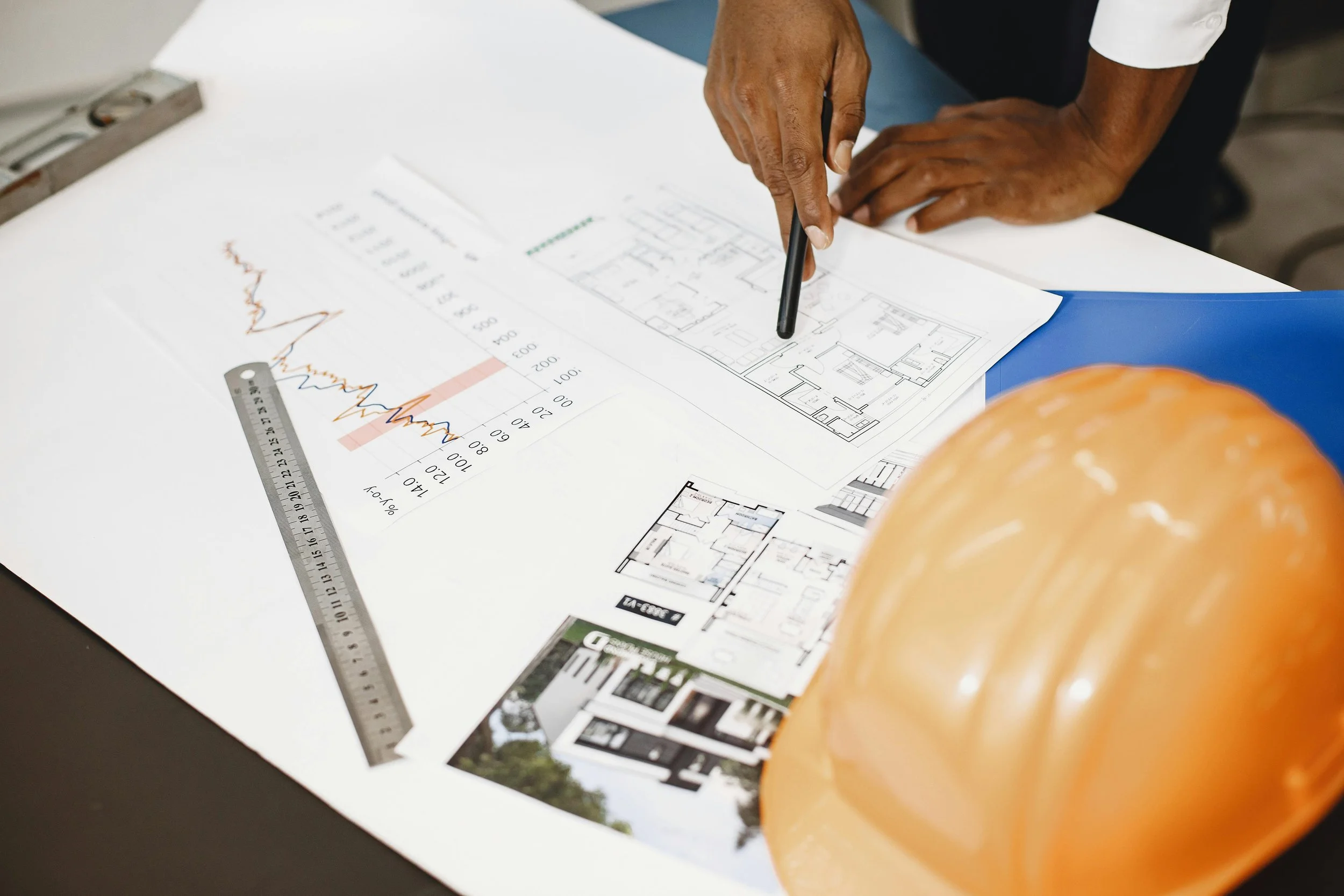
Secure Financing and Budgeting
Before any planning can move forward, establishing a solid financial foundation is critical. Construction financing differs significantly from traditional mortgages, requiring specialized loans that release funds in stages as construction progresses. Begin by meeting with lenders who specialize in construction loans to understand your borrowing capacity, interest rates, and loan terms. Many lenders require detailed project plans and cost estimates before approving financing, so this step often runs parallel to your initial design work.
Creating a comprehensive budget requires more than simply estimating construction costs. Your budget should account for land purchase (if applicable), architectural and engineering fees, permit costs, insurance, utility connection fees, landscaping, and interior finishes. One of the most critical components is establishing a contingency fund of at least 10 to 15 percent of your total project cost. Unexpected issues inevitably arise during construction, whether from unforeseen site conditions, material price fluctuations, or design changes. Without adequate contingency funds, these surprises can derail your entire project.
Understanding payment schedules and draw processes is equally important. Construction loans typically release funds in stages, known as draws, which correspond to specific construction milestones. Your lender will inspect the work before releasing each draw, ensuring that progress justifies the payment. Familiarizing yourself with this process helps you maintain adequate cash flow throughout construction and ensures you can pay contractors and suppliers promptly. Working with experienced construction professionals early in the budgeting process provides realistic cost estimates based on current market conditions and helps you avoid underestimating project expenses.
Site Selection and Evaluation
Choosing the right property location involves far more than finding an attractive piece of land, requiring thorough evaluation of multiple critical factors that will impact your construction project and long-term satisfaction.
Evaluate Access to Essential Services
Properties without existing connections to water, sewer, electricity, and natural gas require additional infrastructure investment that can significantly increase costs, while proximity to schools, shopping, healthcare, and employment centers affects both daily convenience and future resale value.
Conduct Soil Tests and Land Surveys
Soil composition directly affects foundation design and construction methods, with some soil types requiring specialized foundation systems that add substantial costs, making geotechnical testing essential for understanding bearing capacity, drainage characteristics, and special requirements.
Assess Environmental and Drainage Factors
Properties in floodplains require elevated construction or special flood mitigation measures, while steep slopes increase grading and foundation costs, making it critical to evaluate drainage patterns, flood zones, and topographical challenges before committing to a site.
Document Property Boundaries and Restrictions
Land surveys establish exact property boundaries, identify easements or deed restrictions, and document existing features like trees and water sources, ensuring your building placement complies with setback requirements and preventing legal complications.
Understanding these factors before committing to a property allows you to make informed decisions about whether a site truly meets your needs and budget, preventing costly surprises during construction.
Design and Architectural Planning
Transforming your vision into detailed construction documents requires collaboration with skilled architects and designers. During the design phase, your architect creates drawings that balance aesthetics, functionality, and budget while ensuring the design meets all applicable building codes. This process typically begins with schematic designs that explore different layout options and exterior styles, allowing you to refine your preferences before investing in detailed drawings.
As designs become more detailed, your architect incorporates structural engineering, mechanical systems, electrical plans, and plumbing layouts. These technical drawings provide the information contractors need to accurately bid on your project and serve as the roadmap for construction. Throughout this process, maintaining open communication about the budget is critical. Design decisions significantly impact costs, and making informed choices about materials, finishes, and features prevents budget creep that could compromise other aspects of your project.
Making material and fixture selections during the design phase, rather than during construction, prevents delays and ensures accurate cost estimates. Decisions about flooring, countertops, cabinets, plumbing fixtures, lighting, and appliances all affect both timeline and budget. Working with your design team to select products that balance quality, aesthetics, and cost keeps your project aligned with financial goals. Planning these details thoroughly before construction begins eliminates the rushed, stressful decisions that often lead to compromises you later regret.
Permits and Legal Requirements
Navigating the permitting process is one of the most time-consuming yet critical pre-construction steps. Building permits ensure your project complies with local building codes, zoning regulations, and safety standards. The specific permits required vary by location and project scope but typically include building permits for structural work, electrical permits, plumbing permits, and mechanical permits for HVAC systems. Some jurisdictions also require separate permits for grading, tree removal, or septic systems.
Understanding your local permitting process should begin early, as approval times vary widely. Some municipalities process permits in a few weeks, while others require several months, especially for complex projects or in high-growth areas. Submit permit applications with complete, professionally prepared plans to avoid delays from incomplete submissions or required revisions. Many jurisdictions now offer online permit tracking, allowing you to monitor your application status and respond quickly to any questions or requests for additional information.
Reviewing zoning regulations and homeowners' association (HOA) requirements is equally important. Zoning codes dictate allowable land uses, building heights, setbacks from property lines, lot coverage limits, and parking requirements. Violating these regulations can result in construction delays, costly modifications, or even forced removal of completed work. If your project doesn't conform to current zoning, you may need to apply for variances or conditional use permits, which add time and uncertainty to the process. HOAs often impose additional restrictions on architectural styles, materials, colors, and landscaping. Obtaining HOA approval before submitting building permit applications prevents conflicts between HOA requirements and your planned design.
Contractor Selection and Contracts
Selecting the right contractor may be the single most important decision affecting your project's success, requiring careful evaluation of multiple factors to ensure you partner with qualified professionals.
1. Research and Vet Licensed Contractors
Begin by researching licensed, insured contractors with proven experience in projects similar to yours, requesting references from recent clients, and taking time to contact them about work quality, communication, problem-solving, and adherence to schedules and budgets.
2. Review Multiple Detailed Bids
Examining multiple detailed bids helps you understand market pricing and identify red flags, with the most valuable bid demonstrating thorough project understanding and transparent pricing for materials, labor, subcontractors, and overhead rather than simply being the lowest or highest.
3. Scrutinize Contract Terms Carefully
A comprehensive construction contract should clearly define the scope of work, payment schedule, timeline with specific milestone dates, warranty terms, change order procedures, and dispute resolution processes, including provisions for delays, weather interruptions, and unforeseen conditions.
4. Establish Clear Communication Protocols
Setting up communication expectations from the outset prevents misunderstandings and ensures you stay informed throughout construction, with regular updates and accessible points of contact, maintaining transparency and collaboration.
Working with experienced professionals who prioritize transparent communication creates a collaborative relationship that benefits everyone involved and keeps your project on track.
Timeline Development and Milestones
Creating a realistic construction schedule requires understanding the sequential nature of construction work and the dependencies between different trades. A well-developed timeline identifies when each phase of construction should occur, from site preparation and foundation work through framing, mechanicals, finishes, and final inspections. Breaking the overall project into specific milestones allows you to track progress and identify potential delays before they cascade into major problems.
Key project milestones typically include permit approval, site preparation completion, foundation completion, structure drying-in (enclosed with roof), rough mechanicals inspection, insulation and drywall completion, trim and finishes, and final inspection. Assigning realistic durations to each phase requires considering factors like weather, material lead times, inspector availability, and subcontractor schedules. Building buffer time into your schedule accounts for the inevitable delays that occur even in well-managed projects.
Seasonal considerations significantly impact construction timelines. Foundation work and concrete pours are weather-dependent, with cold temperatures requiring special procedures or making work impossible. Spring construction projects benefit from moderate weather but may face challenges from wet conditions and saturated soils. Summer offers the longest working days and most predictable weather, though extreme heat can affect worker productivity and material performance. Fall provides excellent building conditions before winter weather sets in, making it ideal for projects that can be enclosed before cold weather arrives. Understanding these seasonal factors helps you establish a realistic start date and completion timeline.
Conclusion
Thorough pre-construction planning separates successful building projects from those plagued by delays, cost overruns, and quality issues. By systematically addressing financing, site evaluation, design, permits, contractor selection, and timeline development, you create a solid foundation for construction success. While this planning phase requires significant time and effort, the investment pays dividends throughout construction and in your long-term satisfaction with the finished project. Partnering with experienced builders who guide you through each pre-construction step ensures nothing is overlooked and your project starts on solid ground, ready to proceed efficiently toward completion.
At Sidecar Construction, we're committed to delivering exceptional quality and service for all your construction needs. If you have any questions or are ready to start your next project, contact us today. Let's build something great together!