How Proper Ventilation in New Construction Supports Healthier Living
When planning a new home, most people focus on visible features like countertops, flooring, and paint colors. However, one of the most critical elements affecting your long-term health and comfort often goes unnoticed: ventilation. Proper ventilation in new construction isn't just about meeting building codes; it's about creating a healthy living environment where you and your family can thrive. Understanding how ventilation impacts indoor air quality can help you make informed decisions during your building process and ensure your new home supports rather than compromises your wellbeing.
Understanding Ventilation in New Construction
Ventilation refers to the intentional exchange of indoor and outdoor air throughout your home. While older homes often had natural ventilation through gaps and cracks in their construction, modern homes are built to be much more airtight for energy efficiency. This improved construction means that without proper mechanical ventilation systems, indoor air pollutants can accumulate to levels significantly higher than outdoor air.
Modern building codes now recognize this challenge and require specific ventilation standards for new construction. These codes ensure that homes have adequate fresh air exchange while maintaining energy efficiency. The difference between natural and mechanical ventilation is substantial. Natural ventilation relies on windows, doors, and unintentional air leaks, which provide inconsistent and uncontrollable air exchange. Mechanical ventilation systems, on the other hand, provide continuous, controlled fresh air circulation regardless of weather conditions or whether windows are open.
When you work with experienced builders on your new construction project, ventilation planning should be integrated from the earliest design phases. This ensures that ductwork, exhaust systems, and fresh air intakes are properly positioned to maximize air quality throughout your home. The investment in proper ventilation infrastructure pays dividends in health benefits and comfort for decades to come.
Health Benefits of Proper Ventilation
The health advantages of proper ventilation extend far beyond simple comfort, directly impacting respiratory health, cognitive function, and overall well-being.
Reducing Indoor Air Pollutants and Allergens
Modern homes contain numerous sources of indoor pollution, including cleaning products, cooking byproducts, furniture off-gassing, and building materials, which a well-designed ventilation system continuously removes while replacing stale air with fresh outdoor air.
Preventing Mold Growth and Moisture-Related Health Issues
Excess moisture in bathrooms, kitchens, and basements creates ideal conditions for mold growth that can trigger allergic reactions and respiratory problems, making strategic ventilation essential for removing moisture before it condenses on surfaces.
Controlling Carbon Dioxide Levels for Better Cognitive Function
As humans breathe, we exhale carbon dioxide that can accumulate in poorly ventilated spaces, causing drowsiness and decreased cognitive performance, while proper ventilation maintains healthy levels that support better sleep quality and improved focus.
Managing Volatile Organic Compounds from Building Materials
New building materials, furniture, and finishes can off-gas VOCs for months or even years after installation, potentially causing headaches and respiratory issues, which effective ventilation systems continuously remove to reduce exposure.
Research consistently shows that homes with adequate ventilation experience fewer instances of respiratory problems, allergies, and asthma symptoms among occupants, making proper ventilation a cornerstone of healthy home design.
Ventilation Systems for New Homes
Modern homes employ several types of ventilation systems, each with specific advantages. Understanding these options helps you select the best solution for your new construction project and ensures your home supports long-term health.
Exhaust-only ventilation systems use fans to remove air from specific areas like bathrooms and kitchens. As air is exhausted, fresh outdoor air naturally infiltrates through small openings throughout the home. These systems are simple and cost-effective but provide limited control over where fresh air enters. They work best in moderate climates where incoming outdoor air doesn't require significant conditioning.
Supply-only ventilation systems work in reverse, using fans to bring fresh outdoor air into the home while stale air exits through natural openings. These systems allow for better control of incoming air quality, as the fresh air can be filtered before entering living spaces. However, they can create slight positive pressure in the home, which may push moisture into wall cavities in humid climates.
Balanced ventilation systems provide the most comprehensive solution by using separate fans to both exhaust stale air and supply fresh air. Heat recovery ventilators (HRVs) take this concept further by transferring heat between outgoing and incoming airstreams. In winter, the warm exhaust air preheats the cold incoming fresh air, reducing heating costs while maintaining excellent ventilation. This energy recovery makes continuous ventilation economically viable even in extreme climates.
Energy recovery ventilators (ERVs) provide an additional benefit by transferring both heat and moisture between airstreams. In humid climates, ERVs help control indoor humidity levels by reducing the moisture content of incoming air during summer and preventing excessive dryness during winter. This humidity management further supports indoor air quality and prevents moisture-related problems.
Selecting the right ventilation system for your new home depends on climate, home size, budget, and specific health concerns. Working with experienced construction professionals ensures your ventilation system matches your home's needs and provides optimal performance for years to come.
Key Areas Requiring Strategic Ventilation
While whole-house ventilation provides baseline air quality, certain areas require additional attention due to higher moisture levels or pollutant generation.
1. Kitchen Ventilation for Cooking Pollutants
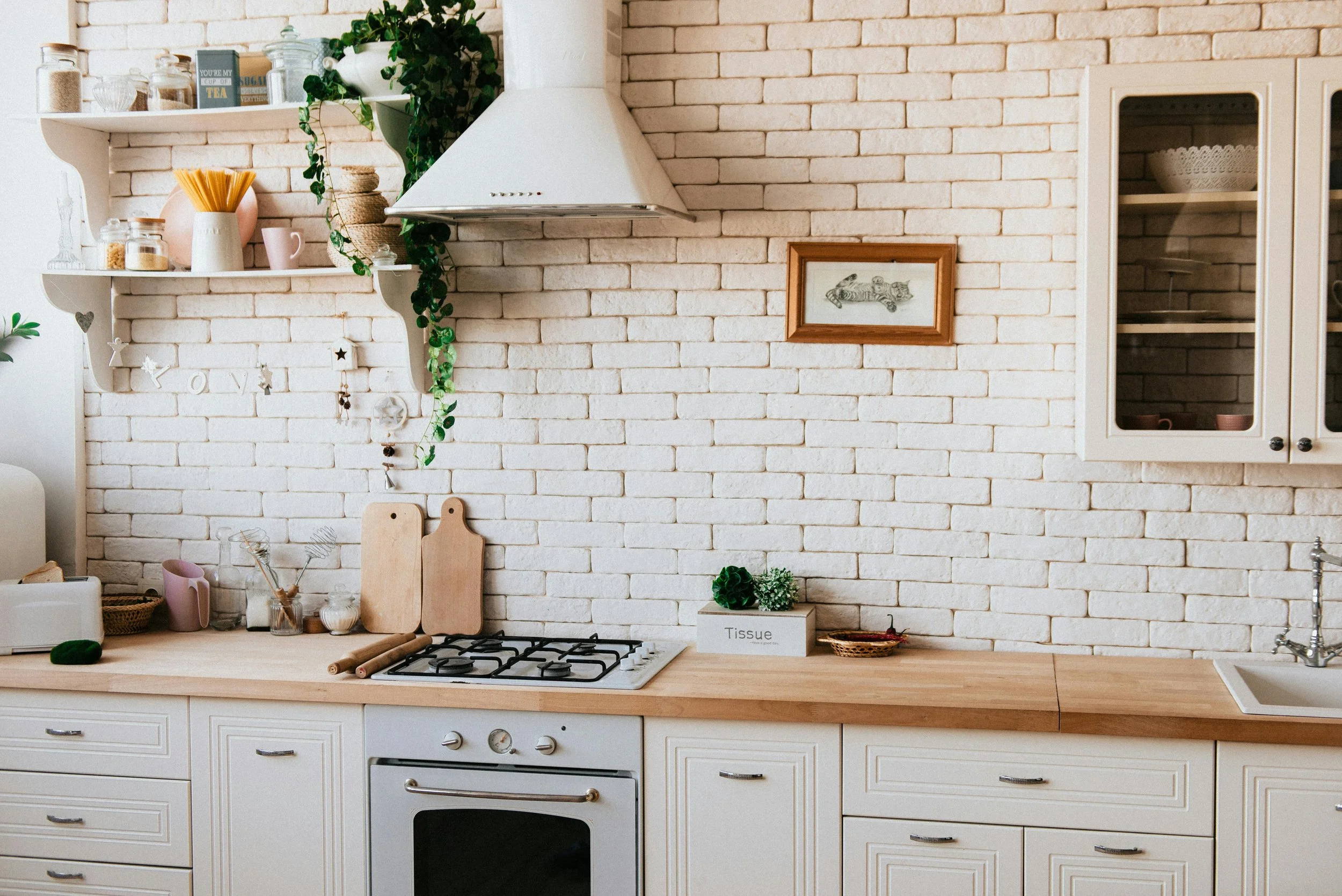
Cooking generates significant moisture, heat, and air pollutants including particulates, carbon monoxide, and nitrogen dioxide, making range hood systems that exhaust directly outdoors essential for removing these contaminants at their source.
2. Bathroom Ventilation for Moisture Control
Showers and baths generate substantial humidity that must be exhausted to prevent mold growth, paint damage, and structural issues, with properly sized exhaust fans running during bathing and for 20 to 30 minutes afterward.
3. Bedroom and Living Space Air Circulation
These primary living areas require continuous fresh air supply to maintain comfortable carbon dioxide levels during sleeping hours, preventing poor sleep quality and morning grogginess.
4. Basement and Crawl Space Considerations
Finished basements require the same ventilation attention as above-grade living spaces, while unconditioned basements and crawl spaces need ventilation strategies that prevent moisture accumulation without excessive energy loss.
Proper planning during new construction ensures these challenging spaces maintain healthy conditions that support air quality throughout your entire home.
Long-Term Health and Home Value Benefits
The advantages of proper ventilation compound over time, affecting both occupant health and property value. Understanding these long-term benefits reinforces the importance of prioritizing ventilation in new construction decisions.
Preventing structural damage stands as one of the most significant long-term benefits of proper ventilation. Excess moisture trapped in wall cavities, attics, or crawl spaces can cause wood rot, insulation degradation, and structural weakening. These problems often remain hidden until they require expensive repairs. Proper ventilation removes moisture before it can cause damage, protecting your investment and avoiding costly remediation.
Improving resale value is another important consideration. Home buyers increasingly understand the importance of indoor air quality and energy efficiency. Homes with quality ventilation systems, particularly modern HRV or ERV systems, command premium prices in real estate markets. Buyers recognize that proper ventilation represents a feature they won't need to retrofit later, making homes with these systems more attractive and valuable.
Creating sustainable, healthy living environments aligns with growing awareness of how built environments affect long-term health. Families spending significant time at home, including children doing schoolwork and adults working remotely, benefit substantially from consistent indoor air quality. The cognitive and health advantages of proper ventilation contribute to quality of life in ways that extend far beyond the initial construction costs.
Professional painting services and other finishes also benefit from proper ventilation. Paint, stains, and sealants cure more effectively and maintain their appearance longer in properly ventilated environments. This means your home's aesthetic features require less frequent maintenance and retain their beauty for extended periods.
Conclusion
Proper ventilation in new construction represents an investment in long-term health, comfort, and home value. While it may seem invisible compared to design features, ventilation fundamentally impacts your daily quality of life. As you plan your building project, prioritize working with builders who understand ventilation's critical importance. The decisions you make during construction will affect your indoor air quality for decades, making it essential to get ventilation right from the beginning and ensuring your new home provides a healthy environment where your family can thrive.
At Sidecar Construction, we're committed to delivering exceptional quality and service for all your construction needs. If you have any questions or are ready to start your next project, contact us today. Let's build something great together!