Design Considerations for Home Fitness Spaces
The way we approach fitness has fundamentally shifted, with more people choosing to work out at home than ever before. Whether driven by convenience, privacy, or simply the desire to exercise on your own schedule, a dedicated home fitness space offers incredible value. But creating an effective workout area requires more than just clearing out a corner and placing a treadmill. Thoughtful design ensures your fitness space is functional, comfortable, and motivating enough to support long-term health goals.
From choosing the right location to selecting appropriate flooring, lighting, and storage solutions, every decision impacts how well the space serves your needs. Whether you're planning a home addition specifically for fitness or converting an existing room, understanding these design considerations will help you create a space that truly works.
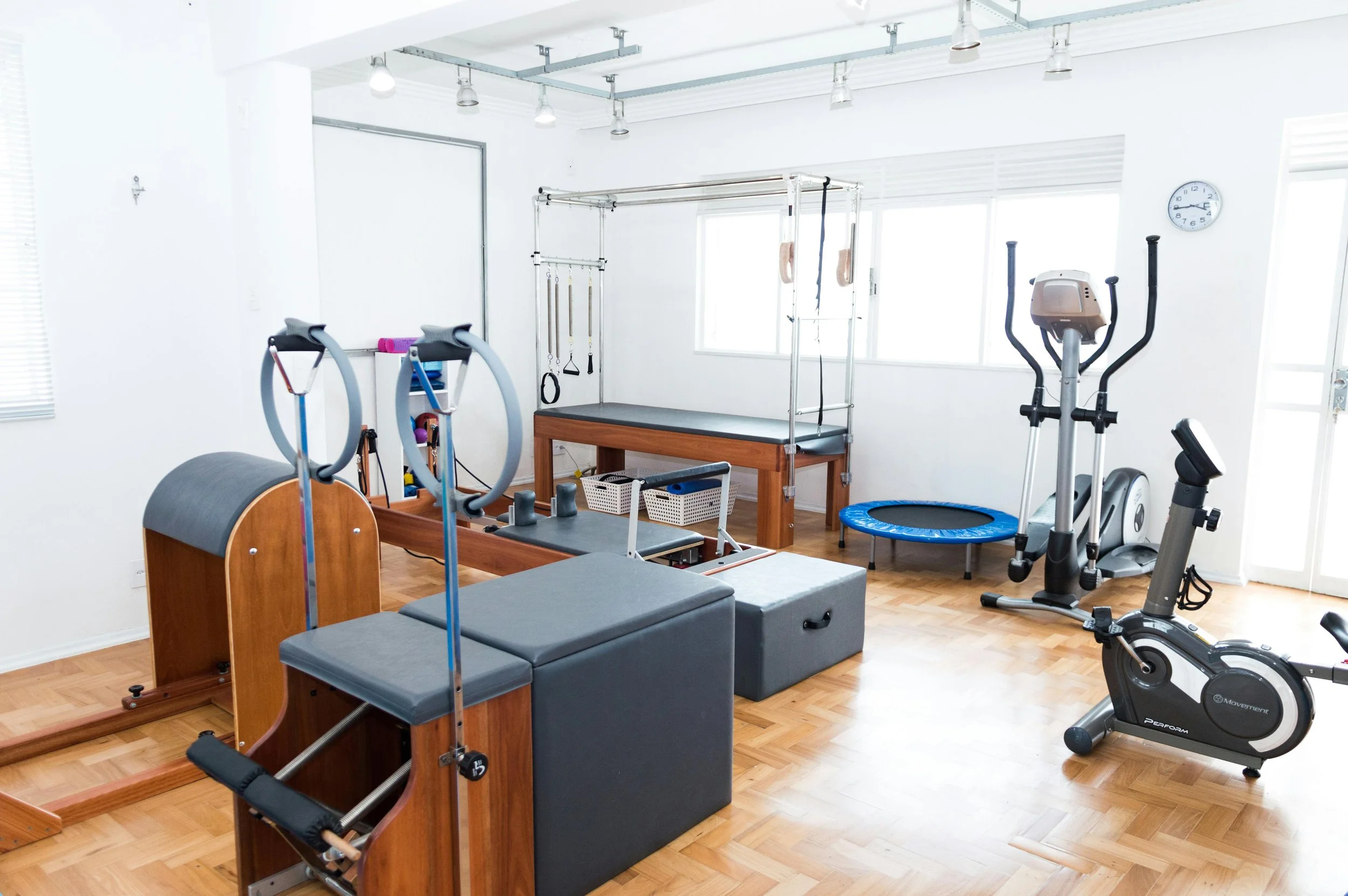
Location and Space Planning
The first and perhaps most important decision is where to locate your home fitness area. The right location balances practical requirements with your home's existing layout and your workout preferences. Many homeowners find that basements offer ideal conditions for fitness spaces. They typically provide ample square footage, natural sound insulation to prevent disturbing others, and a blank slate for customization. A basement renovation can transform underutilized space into a premium fitness area.
Spare bedrooms or bonus rooms represent another popular option, especially for those who prefer natural light during workouts. These spaces often require less extensive renovation than basements and may already have appropriate climate control and electrical systems in place. If existing space doesn't accommodate your fitness goals, consider whether a dedicated addition makes sense for your property and budget.
Space requirements vary significantly based on your intended activities and equipment. A simple yoga and bodyweight exercise area might function well in 50-75 square feet, while a full home gym with cardio machines, free weights, and functional training space typically needs 150-200 square feet or more. Beyond just accommodating equipment, factor in adequate clearance around each piece for safe, comfortable movement.
Privacy and accessibility considerations also matter. Some people prefer their fitness space tucked away in a quiet corner where they can focus without distractions, while others want their workout area centrally located and easily accessible. Think about who will use the space and when. If multiple family members plan to exercise at different times, easy access becomes more important. If you're working out early morning or late evening, sound insulation protects the rest of the household.
Flooring Solutions That Support Your Workout
Flooring might be the single most important material decision for your fitness space, as the wrong choice can lead to discomfort, equipment damage, excessive noise, and even injury. Here are the top flooring options to consider for your home fitness area:
Rubber Flooring
This stands out as the gold standard for home gyms, particularly for weight training and high-impact activities, offering excellent impact absorption, equipment protection, and traction with relatively easy maintenance.
Foam Interlocking Tiles
These offer a budget-friendly alternative that works well for yoga, Pilates, bodyweight exercises, and stretching areas, providing comfortable cushioning and easy installation though less durability for heavy equipment.
Cork Flooring
This presents an eco-friendly option that naturally absorbs shock and provides antimicrobial properties, working particularly well for yoga studios and lighter workout activities while offering warmth and natural aesthetic appeal.
Engineered Hardwood or Luxury Vinyl Plank
For multifunctional spaces that serve purposes beyond fitness, these materials allow the space to transition between uses when combined with area rugs or protective gym mats under equipment.
Acoustic Underlayment
Sound dampening deserves special attention in multi-story homes or attached housing, and adding acoustic underlayment beneath your fitness flooring provides superior sound isolation for early morning or late evening workouts.
The right flooring choice depends on your specific workout activities, budget, and whether the space serves multiple purposes beyond fitness.
Lighting and Ventilation Systems
Proper lighting and ventilation transform a fitness space from merely functional to genuinely enjoyable. These systems directly impact your energy levels, workout performance, and willingness to use the space regularly.
Natural light should be maximized wherever possible. Incorporating ample natural light elevates mood, provides free illumination during daytime workouts, and makes the space feel more open and inviting. If your fitness room has windows, avoid covering them completely. Consider adjustable window treatments that allow privacy when needed while still admitting daylight.
Artificial lighting needs careful planning to provide adequate illumination without creating glare or shadows. Layered lighting works best, combining ambient lighting for overall illumination with task lighting for specific areas. Recessed LED fixtures provide energy-efficient ambient light, while adjustable track lighting or directional fixtures can highlight specific workout zones. Avoid placing lights directly overhead where you'll be lying down for floor exercises, as this creates uncomfortable glare.
Color temperature matters more than many people realize. Cooler light (4000-5000K) promotes alertness and energy, making it ideal for cardio and high-intensity training areas. Warmer light (2700-3000K) creates a calming atmosphere better suited for yoga and stretching spaces. Consider installing dimmable fixtures or separate lighting circuits for different activities.
Ventilation and climate control directly impact workout quality and equipment longevity. Exercise generates significant heat and moisture, and inadequate ventilation creates an uncomfortable, stuffy environment that discourages use. At minimum, ensure your fitness space has adequate HVAC coverage from your home's existing system. For basement gyms or spaces with limited natural airflow, supplemental solutions may be necessary.
Ceiling fans provide immediate air circulation improvement without the ongoing costs of constantly running air conditioning. Position fans to create airflow patterns that reach all areas of your workout space. For intense cardio sessions, portable fans offer targeted airflow exactly where you need it.
Dedicated ventilation systems or air purifiers help manage moisture and maintain air quality. This becomes particularly important for enclosed spaces without windows or areas prone to humidity buildup. Good air quality doesn't just improve comfort during workouts; it also protects your investment by preventing moisture damage to equipment and finishes.
Electrical Infrastructure and Technology
Modern home fitness spaces increasingly incorporate technology, from entertainment systems to smart fitness equipment. Planning your electrical infrastructure properly ensures you can power everything you need without unsightly extension cords or insufficient outlets.
Begin by identifying all equipment that requires power: treadmills, ellipticals, bikes, sound systems, TVs, fans, and charging stations. Place outlets strategically near where each item will sit, keeping in mind that gym equipment often has short power cords. Include extra outlets for future additions and temporary equipment placement.
Dedicated circuits may be necessary for large cardio machines that draw significant power. Consult with an electrician about your equipment's electrical requirements during the planning phase. Running appropriate wiring is much easier during initial construction or renovation than trying to add circuits later.
Technology integration extends beyond basic power. Many people want to stream workout classes, follow training apps, or watch entertainment during cardio sessions. Consider mounting positions for TVs or tablets, concealed cable routing to maintain a clean aesthetic, and strong WiFi coverage. Some homeowners install sound systems with multiple speakers for immersive audio during group classes or motivating music during solo workouts.
Smart home integration can enhance your fitness space significantly. Voice-controlled lighting and temperature adjustments allow you to focus on your workout without interruption. Smart mirrors with integrated fitness programming provide guided workouts without requiring separate screens. Connected equipment tracks your progress automatically and syncs with fitness apps.
Don't forget about charging solutions for wireless headphones, fitness trackers, and mobile devices. Built-in USB charging ports or wireless charging pads keep devices powered without cluttering the space with cables. A dedicated charging station near the entrance lets you grab fully charged devices on your way into the workout.
Storage and Organization Solutions
Effective storage makes the difference between a functional fitness space and a cluttered room that discourages use. Well-planned storage keeps equipment accessible yet organized, maintains a clean aesthetic, and maximizes usable workout area.
Wall-mounted storage systems excel at keeping floor space clear for exercise. Pegboard walls with adjustable hooks accommodate resistance bands, yoga mats, jump ropes, and other lightweight equipment. The flexibility to reconfigure as your equipment changes makes pegboard particularly valuable. Heavy-duty wall-mounted racks safely store kettlebells, dumbbells, and weight plates vertically, taking advantage of unused wall space.
For larger equipment, consider built-in cabinets or closets designed specifically for fitness gear. Custom shelving sized to your equipment ensures everything has a designated spot. Closed storage hides clutter and creates a cleaner visual aesthetic, important for spaces that serve multiple purposes or remain visible from other areas of your home.
Multi-functional furniture serves double duty in fitness spaces. Storage benches provide both seating and hidden storage for smaller items. Ottomans with internal storage keep yoga blocks, straps, and accessories organized yet easily accessible. For rooms that need to transition between uses, furniture that conceals fitness equipment helps maintain the space's versatility.
Vertical storage isn't just practical; it's essential for maximizing limited square footage. Floor-to-ceiling shelving, wall-mounted bike racks, and overhead storage for seasonal or rarely used equipment all free up valuable floor space. Just ensure anything stored overhead is properly secured and won't create safety hazards.
Organizational systems work best when they're intuitive and easy to maintain. Group similar items together, label storage areas clearly, and position frequently used equipment at the most accessible heights. The easier it is to put equipment away, the more likely you'll maintain an organized space long-term.
Aesthetic Elements That Inspire
While functionality drives most design decisions in fitness spaces, aesthetics matter more than you might expect, as an inspiring, personalized environment encourages regular use and makes workouts more enjoyable. Consider these key aesthetic elements:
1. Strategic Mirror Placement
Mirrors serve both practical and psychological purposes, allowing you to check your form during exercises while making spaces feel larger and brighter by reflecting light.
2. Color Psychology
Energizing colors like red, orange, and bright yellow stimulate activity for high-intensity training areas, while calming blues and greens create peaceful environments suited to yoga and meditation spaces.
3. Personal Touches and Motivational Elements
Motivational quotes, photos of fitness goals or inspiring places, and artwork that resonates with your wellness journey transform a generic gym space into your personal fitness sanctuary.
4. Quality Sound Systems
Audio enhancement significantly improves workouts through instructor-led classes, motivating music, or training videos, with in-wall or ceiling speakers providing excellent sound while maintaining clean lines.
5. Professional Painting Finishes
Professional painting services achieve polished, cohesive color schemes that support your chosen aesthetic and create an environment you genuinely want to spend time in.
These aesthetic considerations work together to create a space that not only functions well but also inspires you to maintain consistent workout routines.
Conclusion
Designing an effective home fitness space requires balancing multiple considerations, from practical elements like flooring and ventilation to motivational aspects like lighting and aesthetics. By thoughtfully addressing location, infrastructure, storage, and design details, you create an environment that truly supports your wellness goals and enhances your home's value.
Whether you're converting a basement space, repurposing a spare room, or building a dedicated addition, the key is creating a space you'll actually want to use. When your fitness area feels comfortable, functional, and personally inspiring, maintaining regular workout routines becomes significantly easier.
Ready to create your ideal home fitness space? Contact Sidecar Construction to discuss how we can help you design and build a workout area that meets your needs, fits your home, and supports your long-term health and wellness goals.
At Sidecar Construction, we're committed to delivering exceptional quality and service for all your construction needs. If you have any questions or are ready to start your next project, contact us today. Let's build something great together!