Roofing Maintenance and Longevity Tips for New Builds
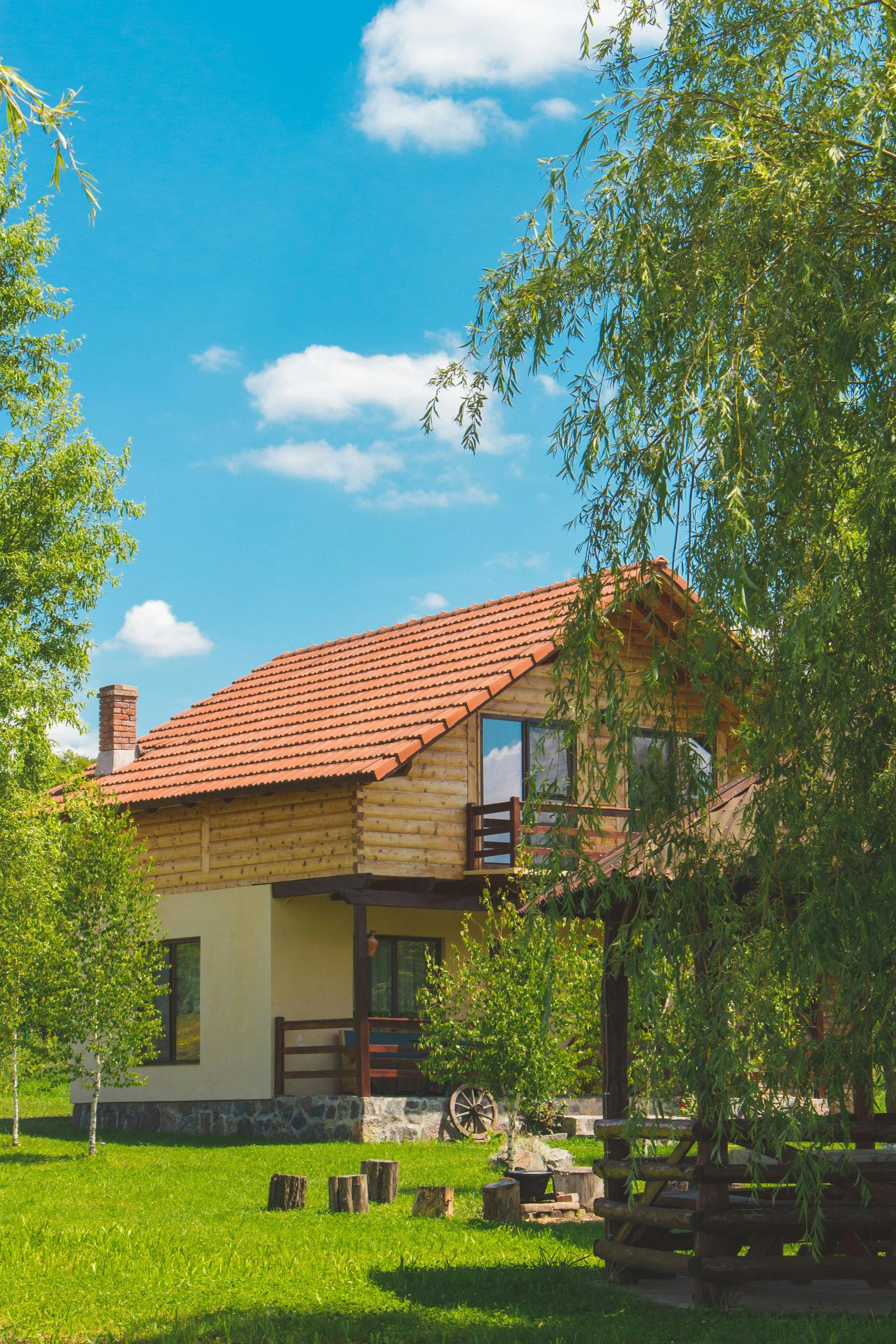
When you invest in a new construction project, your roof represents one of the most significant components protecting your entire investment. While a newly installed roof starts with optimal condition and performance, its longevity depends heavily on the decisions you make during construction and the maintenance practices you establish from day one. At Sidecar Construction, we understand that building your dream home involves making informed choices that pay dividends for decades to come. This guide explores essential strategies for maximizing your new roof's lifespan, maintaining its performance, and protecting your investment through proactive care and professional expertise.
Choosing Quality Materials During Construction
The foundation of a long-lasting roof begins with material selection during the construction phase. While budget considerations naturally influence decisions, the quality of roofing materials directly impacts longevity, performance, and maintenance requirements for years to come.
Modern roofing options offer varying lifespans and maintenance needs. Asphalt shingles, the most common residential roofing material, typically last 20-30 years with proper maintenance. Architectural shingles provide enhanced durability and aesthetic appeal compared to standard three-tab options. Metal roofing systems can last 40-70 years and require minimal maintenance, making them increasingly popular for new construction. Tile and slate options offer exceptional longevity, often lasting 50-100 years, though they require proper structural support and professional installation.
Beyond the visible roofing material, underlayment quality significantly impacts roof performance. High-quality synthetic underlayment provides superior water resistance and durability compared to traditional felt paper. This hidden layer protects against water infiltration during and after installation, serving as a critical backup defense system. Ice and water shield membranes in vulnerable areas like valleys, eaves, and penetrations provide additional protection against ice dams and wind-driven rain.
Flashing represents another critical component often overlooked during construction. Quality flashing around chimneys, vents, skylights, and roof-wall intersections prevents water infiltration at these vulnerable transition points. Proper flashing installation during construction is far easier and more effective than attempting repairs later, making it essential to prioritize quality materials and expert installation from the start.
Ventilation components installed during construction set the stage for long-term roof health. Proper intake vents at soffits and exhaust vents at the ridge or gables create airflow that regulates attic temperature and moisture levels. This ventilation prevents heat and moisture buildup that can shorten roof lifespan, reduce energy efficiency, and create conditions for mold growth. Working with experienced builders ensures these systems are properly designed and installed from the beginning.
Professional Installation Standards
Even the highest quality materials cannot perform properly without expert installation. Professional installation during new construction establishes the foundation for decades of reliable protection and performance.
Professional roofing services bring specialized knowledge of manufacturer specifications, building codes, and best practices. Experienced installers understand proper nailing patterns, shingle placement, flashing integration, and ventilation requirements. These technical details might seem minor, but they directly impact how well your roof withstands wind, rain, snow, and temperature extremes over its lifetime.
Manufacturer warranties often require professional installation by certified contractors. These warranties provide valuable protection for your investment, covering material defects and sometimes workmanship issues. However, improper installation can void warranties, leaving you financially responsible for premature failures. Professional installers maintain certifications and follow protocols that preserve warranty coverage while ensuring optimal performance.
Weather conditions during installation significantly affect roof quality. Professional contractors understand when conditions are suitable for installation and when delays are necessary. Installing shingles in extreme heat can cause seal failures, while cold-weather installations may prevent proper adhesion. Rain during installation can compromise the underlayment and decking. Experienced contractors schedule work appropriately and adapt to changing conditions to maintain quality standards.
Quality control inspections during installation catch potential issues before completion. Our team at Sidecar Construction conducts multiple checks throughout the installation process, ensuring proper material handling, correct application techniques, and attention to critical details. This systematic approach prevents problems that might not become apparent for years, protecting your investment from the start.
Establishing a Maintenance Schedule From Day One
Creating and following a maintenance schedule from the moment your roof is installed significantly extends its lifespan and prevents costly repairs. Proactive maintenance is far more cost-effective than reactive repairs, and establishing good habits early protects your investment for decades to come. Here are the key maintenance practices to implement:
Bi-Annual Professional Inspections
Schedule professional roof inspections twice annually, ideally in spring and fall, to identify and address minor issues before they escalate into major problems.
Seasonal Gutter Cleaning
Clean gutters and downspouts at least twice yearly, particularly after fall leaf drop and spring pollen season, to prevent water backup and ice dam formation.
Debris Removal
Remove leaves, branches, and other debris from your roof surface regularly to prevent moisture retention and organic growth that can damage roofing materials.
Attic Ventilation Checks
Inspect attic ventilation systems annually to ensure proper airflow, preventing heat and moisture buildup that can shorten roof lifespan and reduce energy efficiency.
Flashing and Seal Inspections
Examine flashing around chimneys, vents, and skylights annually for signs of deterioration, and reseal as needed to maintain water-tight integrity.
Following regular roof maintenance practices from the start prevents small issues from developing into expensive repairs, and establishing these habits during your home's first year creates a sustainable routine for decades to come.
Understanding Your Roof Warranty
New construction roofs typically come with two distinct warranties that provide important protections for your investment. Understanding these warranties, their coverage, and maintenance requirements helps you maximize their value and ensure continued protection.
Manufacturer material warranties cover defects in roofing products themselves. These warranties vary significantly in length and coverage, ranging from 20-year limited warranties on basic shingles to lifetime warranties on premium products. Material warranties typically cover replacement materials but not labor costs for installation. Understanding exactly what your material warranty covers, its duration, and any maintenance requirements helps you make informed decisions about repairs and upgrades over time.
Workmanship warranties from your contractor cover installation quality and labor. These warranties typically range from one to ten years, depending on the contractor and agreement terms. Workmanship warranties protect against installation errors that might cause leaks, blow-offs, or premature failures. Choosing experienced contractors like Sidecar Construction who stand behind their work with comprehensive warranties provides valuable peace of mind and financial protection.
Many warranties require periodic professional inspections and maintenance to remain valid. Failing to meet these requirements can void warranty coverage, leaving you responsible for repair costs that should have been covered. Document all inspections, maintenance, and repairs carefully, keeping records that prove compliance with warranty terms. This documentation becomes invaluable if warranty claims become necessary.
Transferable warranties can enhance property value if you decide to sell your home. Some manufacturer warranties and contractor workmanship guarantees can transfer to new owners, providing them with assurance about roof condition and coverage. This transferability can be a selling point that differentiates your property from others on the market, potentially commanding higher prices and faster sales.
Protecting Your Investment Through Proactive Care
Beyond routine maintenance, several proactive strategies help protect your new roof and extend its functional life. These practices prevent common problems and ensure your roof continues performing optimally for decades. Consider implementing these essential protection measures:
1. Trim Overhanging Trees
Remove branches that hang over your roof to prevent physical damage from falling limbs, reduce debris accumulation, and eliminate pathways for pests to access your home.
2. Address Issues Immediately
Respond quickly to any signs of problems like missing shingles, damaged flashing, or interior water stains to prevent minor issues from escalating into major damage.
3. Monitor Attic Conditions
Regularly check your attic for signs of leaks, inadequate ventilation, or insulation problems that could compromise roof performance and energy efficiency.
4. Prevent Ice Dams
In cold climates, ensure proper attic insulation and ventilation to prevent ice dams, and consider installing heating cables in problem areas to protect against winter damage.
5. Document Everything
Keep detailed records of all inspections, maintenance, repairs, and improvements to track roof condition, maintain warranty compliance, and provide documentation for future buyers.
6. Schedule Professional Assessments
Beyond routine maintenance, schedule comprehensive professional assessments every 3-5 years to evaluate overall roof condition and identify potential long-term concerns requiring attention.
By implementing these protective measures from your home's first year, you create a comprehensive care program that maximizes roof longevity while protecting your construction investment for decades to come.
Seasonal Considerations for New Roofs
New construction roofs face different challenges throughout the year, and understanding seasonal considerations helps you provide appropriate care that maintains performance and extends lifespan.
Spring brings opportunities to assess winter damage and prepare for summer weather. Inspect for missing or damaged shingles from winter storms, ice dams, or heavy snow loads. Check flashing around penetrations for signs of ice damage or seal deterioration. Clean gutters and downspouts of winter debris to ensure proper drainage during spring rains. Spring is also ideal for scheduling professional inspections before summer heat arrives, allowing time to address any issues discovered.
Summer heat tests roof ventilation and material durability. Proper attic ventilation becomes critical during hot months, preventing excessive heat buildup that can shorten shingle lifespan and increase cooling costs. Monitor attic temperatures and ensure ventilation systems are functioning properly. Summer's dry weather provides excellent conditions for any necessary repairs or upgrades, as materials cure properly and weather delays are minimal. Preparing for upcoming seasons during the summer ensures your roof is ready for fall and winter challenges.
Fall demands preparation for winter's harsh conditions. Remove accumulated leaves and debris that can trap moisture and promote organic growth. Clean and inspect gutters thoroughly, ensuring downspouts direct water away from foundations. Inspect and repair any damage before cold weather arrives, as winter conditions make roof repairs difficult and expensive. Check attic insulation and ventilation to prevent ice dams during the winter months. Fall's moderate temperatures provide ideal conditions for addressing issues discovered during inspections.
Winter requires different maintenance approaches focused on monitoring and prevention. Safely remove excessive snow accumulation when necessary to prevent structural stress, though most residential roofs are designed to handle typical snow loads. Watch for ice dam formation and address underlying causes like inadequate insulation or ventilation. Avoid walking on frozen or snow-covered roofs, as this can cause damage and presents serious safety risks. Instead, schedule professional winter maintenance for any necessary interventions.
Working With Professional Roofing Contractors
Establishing a relationship with professional roofing contractors from the beginning of your home's life creates a foundation for ongoing care and expertise that protects your investment over decades.
Professional contractors bring specialized knowledge and experience that homeowners simply cannot match. They understand how different roofing systems age, common failure points for various materials, and early warning signs that indicate developing problems. This expertise allows them to identify issues during routine inspections that might be invisible to untrained eyes, catching problems when repairs are simple and inexpensive rather than waiting until damage becomes obvious and costly.
Safety represents another critical advantage of professional roofing services. Roofing work involves significant fall hazards, and professionals have proper safety equipment, training, and insurance to manage these risks. Attempting DIY roof maintenance or repairs exposes homeowners to serious injury risks and potential liability if accidents occur. Professional contractors also carry insurance that protects homeowners from liability for injuries or damage that might occur during work, providing important financial protection.
Professional contractors maintain relationships with material suppliers and manufacturers that benefit homeowners. They have access to high-quality materials often unavailable to the general public and can secure better pricing through contractor accounts. Their industry connections also facilitate warranty claims and technical support when issues arise, streamlining processes that might otherwise prove frustrating and time-consuming for homeowners navigating alone.
At Sidecar Construction, we emphasize building long-term relationships with our clients. We maintain detailed records of your roof's condition, maintenance history, and any work performed. This historical documentation proves invaluable for tracking changes over time, planning future maintenance, and demonstrating warranty compliance. Our commitment to customer service means you have a trusted partner for all your roofing needs, from routine maintenance to emergency repairs and eventual replacement when the time comes.
Protect Your Roofing Investment From Day One
Your new construction roof represents a significant investment in your home's protection, comfort, and value. By choosing quality materials during construction, ensuring professional installation, establishing maintenance routines from the start, understanding warranty protections, and working with experienced professionals, you set the foundation for decades of reliable performance.
At Sidecar Construction, we bring comprehensive expertise to every new construction project, from material selection through installation and ongoing maintenance support. Our team understands that proper roofing goes beyond installation day, requiring ongoing care and professional attention that protects your investment throughout its lifespan.
Whether you're planning new construction or want to establish a maintenance program for your recently completed home, contact us today to discuss how we can help you maximize your roof's longevity, performance, and value. Our commitment to quality workmanship and customer service ensures your roof provides decades of reliable protection for your home and family.
At Sidecar Construction, we're committed to delivering exceptional quality and service for all your construction needs. If you have any questions or are ready to start your next project, contact us today. Let's build something great together!