Roofing Trends and Long-Lasting Options for New Homes
Published Date: July 7, 2025
Modified Date: August 20, 2025
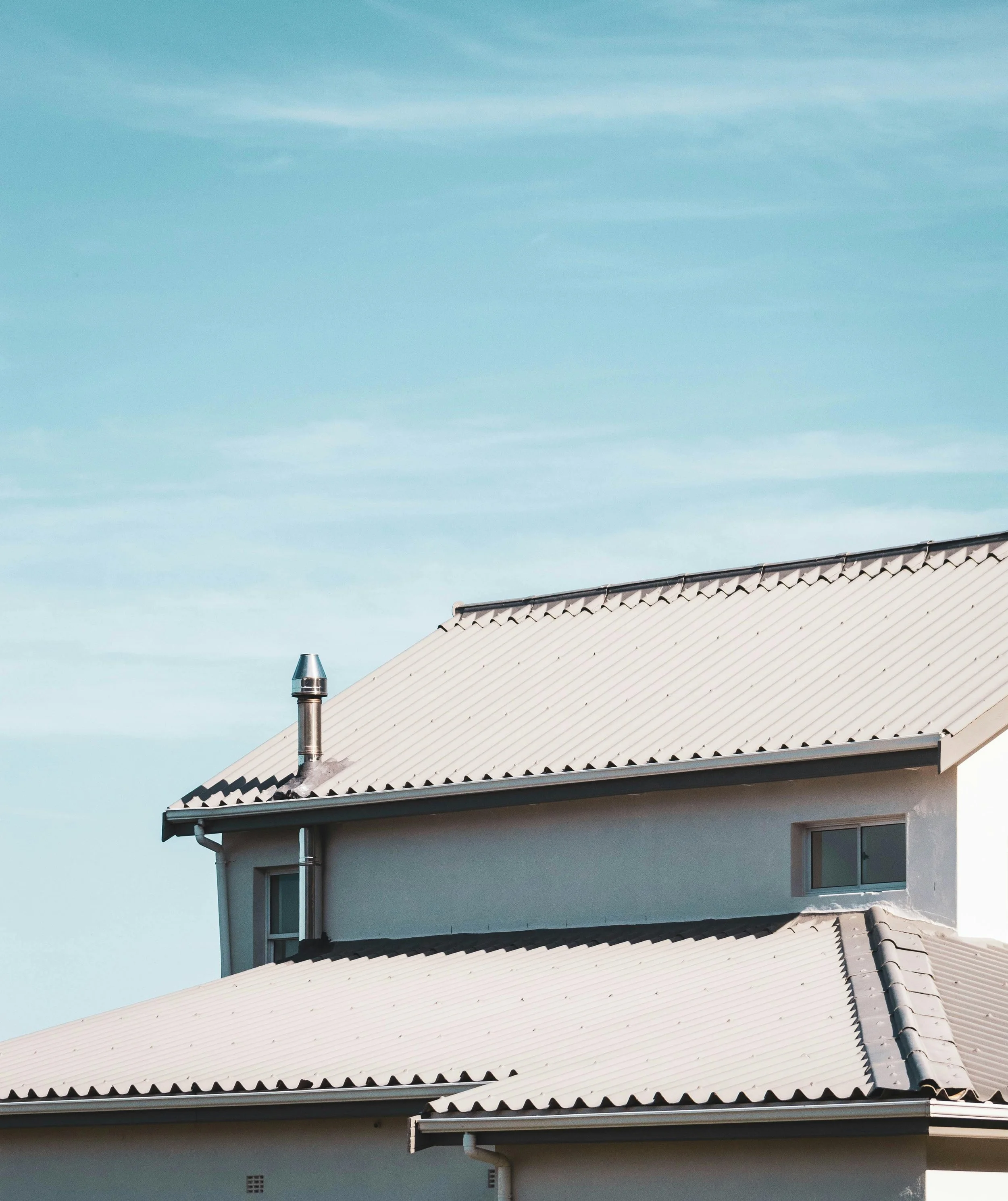
When building a new home, one of the most critical decisions you’ll make is choosing the right roof. It’s more than just a protective layer—it plays a major role in your home’s curb appeal, energy efficiency, and long-term durability. As design preferences evolve and technology advances, homeowners now have more options than ever. From stylish trends to time-tested materials, here’s what you need to know about roofing choices that stand the test of time.
Cleveland and Southeast Tennessee homeowners face unique roofing challenges: 54 inches of annual rainfall (40% above national average), summer heat exceeding 95°F, occasional hailstorms, and humidity levels that can accelerate material degradation. These conditions make material selection and proper installation critical for long-term performance.
Roofing Trends in New Home Construction
As homeowners increasingly seek a balance between aesthetics, performance, and sustainability, roofing trends in new home construction have evolved to reflect those priorities. Today’s roofing choices go far beyond traditional materials, embracing innovation in both function and form.
Modern Aesthetic Preferences
Contemporary home designs often incorporate flat or low-slope roofs that create a sleek, minimalist appearance. These styles emphasize clean architectural lines and pair well with modern exteriors such as stucco, wood slats, or metal paneling. Even in pitched roofs, there’s a noticeable trend toward uniform, streamlined finishes with fewer visible seams or ridges.
Eco-Friendly and Sustainable Roofing
Environmental awareness is driving demand for sustainable roofing solutions. Materials like recycled metal, rubber shingles, and synthetic composites are gaining traction for their low environmental impact and high durability. Cool roof technologies, which reflect more sunlight and absorb less heat, are also on the rise—helping homeowners reduce their energy bills while staying environmentally conscious.
Solar Integration
With the growing push toward energy independence and greener living, solar roofing is becoming a standout feature in new builds. Homeowners are opting for either traditional solar panels mounted on durable roofs or fully integrated solar shingles that blend into the roof design. This trend not only supports energy efficiency but also contributes to long-term cost savings.
Innovative Color and Texture
Gone are the days of limited color palettes. Today’s homeowners are choosing bolder, deeper tones like charcoal, black, and deep browns to enhance curb appeal and complement modern exteriors. Textured roofing materials that mimic the natural look of slate, wood, or clay are also popular, providing the aesthetic of luxury without the high cost or maintenance requirements.
Together, these trends reflect a shift in roofing priorities—from purely functional to beautifully integrated and environmentally forward. As new homes continue to be tailored to homeowners' values, the roof is becoming a defining element of style, sustainability, and performance.
Long-Lasting Roofing Materials
When building a new home, longevity is a key factor in selecting the right roofing material. A durable roof not only offers peace of mind but also reduces maintenance costs and increases the overall value of your investment. Here are some of the most reliable roofing materials known for their long-lasting performance:
Best Performers in Tennessee's Climate:
Architectural Shingles: CertainTeed Landmark PRO with algae-resistant technology handles our humidity well ($350-450/square installed locally)
Metal Roofing: Popular in rural Bradley and Polk counties for superior rain shedding ($650-850/square)
Impact-Resistant Options: Essential for hail-prone areas like Hamilton County (Class 4 rating recommended)
Note: Tennessee requires minimum 110 mph wind ratings and proper ventilation (1 sq ft per 150 sq ft attic space) to maintain warranties in our humid climate.
1. Asphalt Shingles
Asphalt shingles remain the most widely used roofing material in the U.S. thanks to their affordability and ease of installation. They are available in a variety of styles and colors, making them a flexible choice for many home designs. While standard asphalt shingles typically last 15 to 30 years, upgraded architectural shingles can offer enhanced durability and a more dimensional look.
2. Metal Roofing
Metal roofs—made from steel, aluminum, or copper—are gaining popularity for their exceptional lifespan and resilience. These roofs can withstand harsh weather, resist fire, and reflect solar heat, making them energy-efficient. A properly installed metal roof can last anywhere from 40 to 70 years, and many are made from recycled materials, adding an eco-friendly appeal.
3. Clay and Concrete Tiles
Ideal for Mediterranean, Spanish, or Southwestern-style homes, clay and concrete tiles are known for their distinctive appearance and long life. Both materials are resistant to fire, rot, and insect damage, and they perform well in hot climates. With lifespans reaching 50 to 100 years, these tiles are among the most durable options, though they do require a sturdy roof structure due to their weight.
4. Slate Roofing
Slate is a natural stone that offers timeless beauty and unmatched durability. Often considered a premium roofing choice, slate can last over a century when properly installed and maintained. It’s resistant to mold, fire, and severe weather, but like clay tiles, slate is heavy and may require additional structural support.
5. Synthetic Roofing (Rubber, Plastic, Composite)
Modern synthetic roofing materials are designed to replicate the look of natural options like slate or wood shakes while offering greater durability and lower maintenance. These materials are typically lighter, more impact-resistant, and often more affordable than their natural counterparts. Many synthetic roofs have a lifespan of 40 to 50 years and are manufactured with sustainability in mind.
Choosing a long-lasting roofing material means fewer repairs, a better return on investment, and peace of mind for decades to come. Whether you prioritize cost, appearance, or environmental impact, today’s roofing options offer something to fit every homeowner’s vision and needs.
Choosing the Right Roof for Your Home
Selecting the right roof for your new home involves more than picking a material that looks good. It’s a decision that should account for your region’s climate, your budget, the architectural style of your home, and how much maintenance you’re willing to take on in the long run. For homeowners in areas with extreme weather—whether it’s heavy snowfall, intense heat, or high winds—durability and insulation become top priorities. A metal roof might be the best option for snow-prone regions due to its ability to shed snow quickly, while cool roofs with reflective coatings can help keep homes cooler in hot, sunny climates.
Cost is another factor that plays a major role in roofing decisions. While some materials like asphalt shingles are more affordable upfront, they may require replacement sooner than more expensive alternatives like slate or metal. For homeowners planning to stay in their homes for decades, investing in a longer-lasting roof can pay off over time through reduced repairs and replacements. However, balancing upfront costs with long-term savings requires a clear understanding of your financial goals and how long you plan to stay in the home.
Beyond functionality, there’s the matter of curb appeal and neighborhood cohesion. A roof should complement the style of your home—whether it’s modern, traditional, or Mediterranean—and align with community aesthetics or HOA guidelines if applicable. Some homeowners may be drawn to bold colors or textured shingles that mimic natural materials, while others may prefer clean, minimalist designs that blend seamlessly with their home’s exterior.
Ultimately, choosing the right roof is about finding the sweet spot where beauty, performance, and practicality meet. Working with experienced professionals who understand both design and function can help ensure your new roof not only protects your home but enhances its character for years to come.
Local Success Story
After the March 2023 hailstorm that damaged 3,000+ homes in Hamilton County, many Cleveland-area homeowners upgraded to impact-resistant shingles. The Wilson family in Ooltewah received a 25% insurance discount for installing Class 4 shingles—paying for the upgrade within 5 years through premium savings.
Your Money-Saving Maintenance Calendar
Spring: Clear gutters, check winter damage.
Fall: Remove leaves, inspect before winter
After Storms: Document damage, check for missing shingles
DIY Tasks That Save $500+/Year:
Monthly ground-level visual inspection (5 minutes)
Bi-annual gutter cleaning
Keep trees trimmed 6ft from the roof
When to Call Pros:
Annual inspection of roof 10+ years old ($150-300)
Any visible sagging or multiple missing shingles
Water stains inside the home
Preventive maintenance extends roof life by 5-10 years
Conclusion
Your roof is one of the most important investments in your new home—it protects, insulates, and defines the overall look of your property. With so many innovative trends and durable materials available today, there’s never been a better time to choose a roofing solution that fits both your style and your needs. Protect Your Tennessee Home. Sidecar Construction has served Cleveland, Chattanooga, and Southeast Tennessee for [X years], understanding how our local climate—from Chickamauga Lake's humidity to mountain downdrafts in Polk County—affects roofing performance.
At Sidecar Construction, we're committed to delivering exceptional quality and service for all your construction needs. If you have any questions or are ready to start your next project, contact us today. Let's build something great together!