Natural Ventilation Strategies for Better Indoor Air Quality
Indoor air quality has become one of the most important conversations in home design, and for good reason. Modern homes are built tighter than ever, which is excellent for energy efficiency but can trap pollutants, moisture, and stale air indoors. At Sidecar Construction, we've seen how thoughtful ventilation planning can transform a home into a healthier, more comfortable place to live, often without relying solely on mechanical systems.
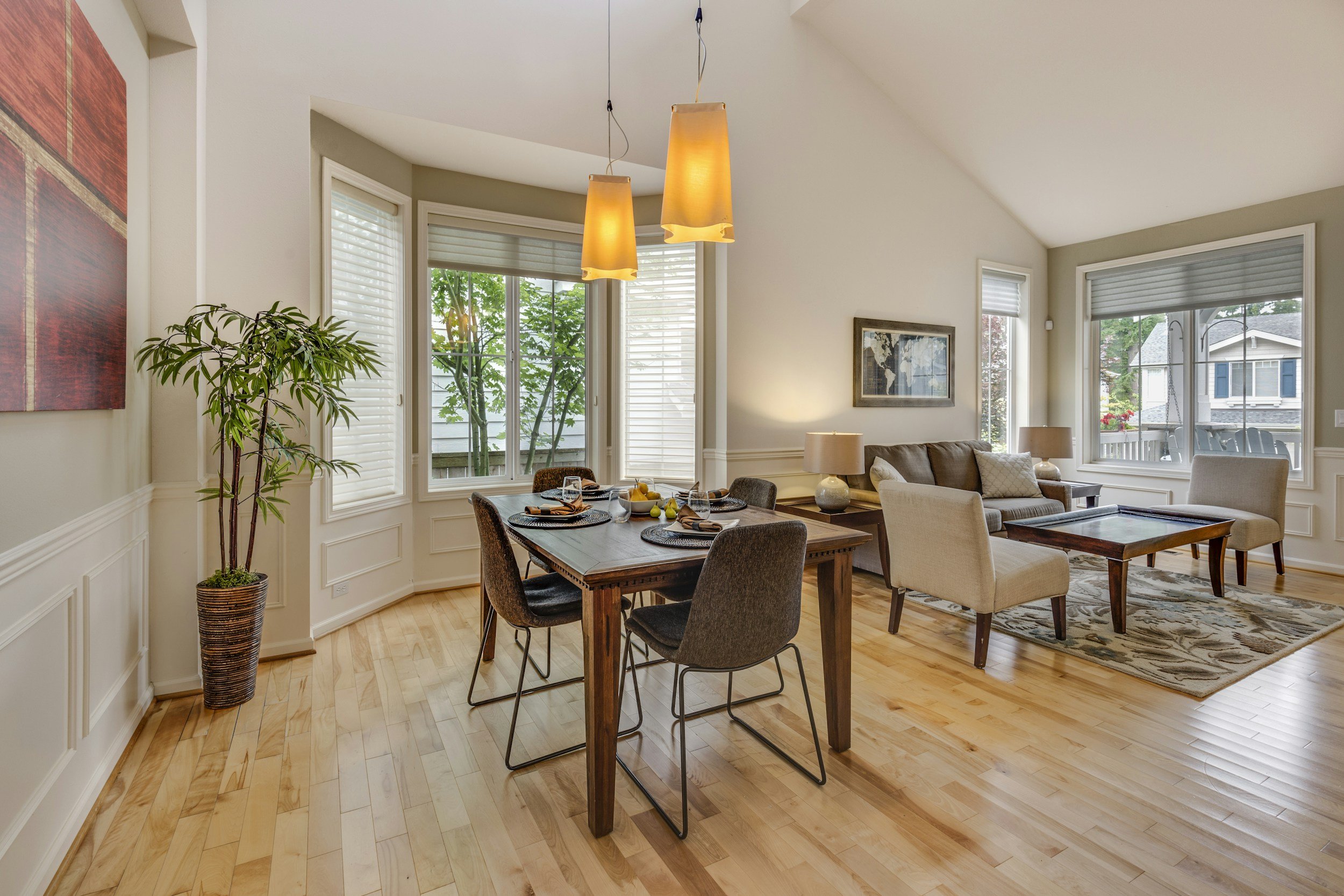
This guide explores practical natural ventilation strategies that work in both new builds and existing homes. Whether you're planning a renovation, designing a new construction project, or simply looking to breathe easier in your current space, these approaches can make a measurable difference in air quality, comfort, and energy use.
Why Indoor Air Quality Matters More Than You Think
The air inside our homes is often more polluted than the air outside. Common indoor pollutants include volatile organic compounds from paints and furnishings, moisture from cooking and bathing, allergens, dust, and carbon dioxide from everyday breathing. Without proper ventilation, these contaminants accumulate and can affect everything from sleep quality to long-term respiratory health.
Natural ventilation works by using pressure differences and temperature variations to move air through a home without relying on fans or mechanical systems. When designed correctly, it complements your HVAC equipment, reduces the load on your cooling system, and helps maintain a fresh, balanced indoor environment year-round. It's a strategy that aligns particularly well with energy-efficient construction materials and the broader goal of creating sustainable, healthy homes.
The Two Foundational Approaches to Natural Ventilation
Before diving into specific strategies, it helps to understand the two primary mechanisms that drive natural airflow in a home. Both can be used independently or combined for maximum effect, depending on the layout and orientation of your space.
The first is cross ventilation, which relies on horizontal air movement between openings on opposite or adjacent walls. When wind pressure pushes air in through one opening, it naturally exits through another, creating a refreshing flow across the room. The second is stack ventilation, which uses the principle that warm air rises. By placing openings at different heights, hot air escapes through upper vents while cooler air is drawn in from lower openings.
Effective home design often incorporates both approaches. A well-planned layout considers prevailing wind directions, sun exposure, and the placement of windows, doors, and vents to maximize natural airflow. This kind of intentional design is a hallmark of quality new construction projects, where ventilation is built into the plan from the start rather than addressed as an afterthought.
Design Features That Support Better Airflow
Certain architectural and design choices have a significant impact on how well a home ventilates naturally. Some of these features are easy to incorporate during construction or renovation, while others can be retrofitted into existing homes with thoughtful planning.
Here are several design elements that strongly influence natural ventilation:
Operable windows on multiple walls: Windows that open on at least two sides of a room create the pathways needed for cross ventilation to work effectively
High ceilings and clerestory windows: Elevated openings allow warm air to escape, supporting the stack effect and helping cool the living areas below
Open floor plans: Fewer interior walls mean fewer obstacles for air to navigate, allowing breezes to move freely through the home
Transom windows and interior vents: These openings above doors help air circulate between rooms, even when doors are closed
Strategic landscaping: Trees, shrubs, and fencing can be positioned to channel breezes toward the home rather than blocking them
Skylights and roof vents: These features release rising warm air, which is especially valuable in upper floors and attics
When these design features are layered together, they create a home that practically breathes on its own. The result is fresher indoor air, lower cooling costs during warmer months, and a more comfortable environment overall, particularly when paired with strategies for maximizing natural light to create bright, airy spaces.
Practical Strategies You Can Implement
Improving natural ventilation doesn't always require major construction. Many of the most effective strategies are practical adjustments that homeowners can implement themselves or work into a planned renovation. The key is understanding how air moves through your specific home and using that knowledge to your advantage.
Here are five proven strategies for enhancing natural ventilation in your home:
1. Open Windows Strategically Throughout the Day
The timing and pattern of when you open windows matters as much as the design itself. In the early morning and evening, when outdoor temperatures are cooler, opening windows on opposite sides of the home flushes out warm, stale air accumulated during the day. During humid afternoons, it's often better to keep windows closed and let your HVAC handle the load. Pay attention to prevailing breezes in your area and open windows on the windward and leeward sides simultaneously to encourage strong cross flow.
2. Use Interior Doors as Air Pathways
Closed doors block airflow, plain and simple. When trying to ventilate naturally, keep interior doors open whenever possible to allow air to travel freely between rooms. If privacy is a concern, consider installing transom windows above doors or adding door undercuts that allow air to pass while maintaining separation. This is particularly important for bedrooms, where stagnant air can affect sleep quality.
3. Take Advantage of the Stack Effect
If your home has multiple stories or a stairwell, you already have the perfect setup for stack ventilation. Open windows on the lowest level and the highest level simultaneously to create a chimney effect that pulls cool air in from below and pushes warm air out from above. This works especially well during summer evenings when outdoor temperatures drop and indoor heat needs to escape. Even a single open skylight can dramatically improve airflow in a multi-story home.
4. Address High-Moisture Areas First
Kitchens, bathrooms, and laundry rooms generate significant moisture and odors that can compromise indoor air quality throughout the entire home. Make sure these spaces have dedicated ventilation, whether through operable windows, exhaust fans, or both. Running an exhaust fan during and after cooking or showering removes moisture before it spreads to other areas. Pairing this with a window cracked elsewhere in the home creates a complete air exchange. Considerations like these are central to any successful bathroom remodel or kitchen renovation.
5. Create Outdoor Air Buffers
The quality of the air entering your home depends on the quality of the air just outside it. Landscape features like trees, hedges, and gardens can filter dust and pollen before it reaches your windows. Avoid placing intake openings near sources of pollution like driveways, garages, or trash storage areas. Thoughtful landscaping not only improves air quality but also helps direct breezes toward openings, enhancing natural ventilation performance.
These strategies work best when used together as part of an overall approach to indoor air quality. Even small changes can produce noticeable improvements in comfort and freshness.
Common Mistakes That Undermine Natural Ventilation
Even well-designed homes can fall short on ventilation when certain mistakes are overlooked. One of the most common is sealing a home so tightly during construction that no fresh air can enter naturally. While airtight construction is essential for energy efficiency, it must be balanced with intentional ventilation pathways, whether natural or mechanical. The role of insulation in this balance is critical, and getting it right requires expert planning.
Another frequent oversight is poor window placement. Windows that all face the same direction or are clustered on one side of the home cannot support cross ventilation, no matter how often they're opened. Similarly, ignoring the local climate and prevailing wind patterns can result in a home that looks great on paper but performs poorly in real conditions. A skilled builder considers these factors during the design phase, which is one reason why selecting the right builder is so important for any new construction project.
Finally, many homeowners forget that natural ventilation requires ongoing attention. Window seals degrade, screens get torn, and vents collect dust over time. Regular maintenance ensures that the systems designed to keep your air fresh continue to perform as intended.
Bringing It All Together for a Healthier Home
Natural ventilation is one of the most effective tools available for improving indoor air quality, and it comes with the bonus of reducing energy costs and increasing comfort. By combining smart design choices with practical daily habits, you can create a home that feels fresh, breathes easily, and supports the health of everyone inside.
If you're planning a new build, renovation, or addition, now is the perfect time to think about how ventilation will work in your space. The team at Sidecar Construction is here to help you design and build a home that prioritizes both comfort and air quality. Reach out today to start a conversation about your project and discover how thoughtful construction can make every breath a little better.
At Sidecar Construction, we're committed to delivering exceptional quality and service for all your construction needs. If you have any questions or are ready to start your next project, contact us today. Let's build something great together!