Construction Site Safety: What Homeowners Should Know During Builds
When you start a home construction project, your property temporarily becomes a working jobsite with heavy equipment, materials, and crews moving through it daily. Safety on that site isn't just the contractor's responsibility; it also involves you, your family, and anyone else who might come near the work zone. Understanding what to expect and how to stay out of harm's way makes the entire process smoother and significantly less stressful.
At Sidecar Construction, safety is woven into every stage of our work, from planning through final walkthrough. This guide walks homeowners through the key safety considerations during a build, what your contractor should be doing, and how you can do your part to keep everyone protected.
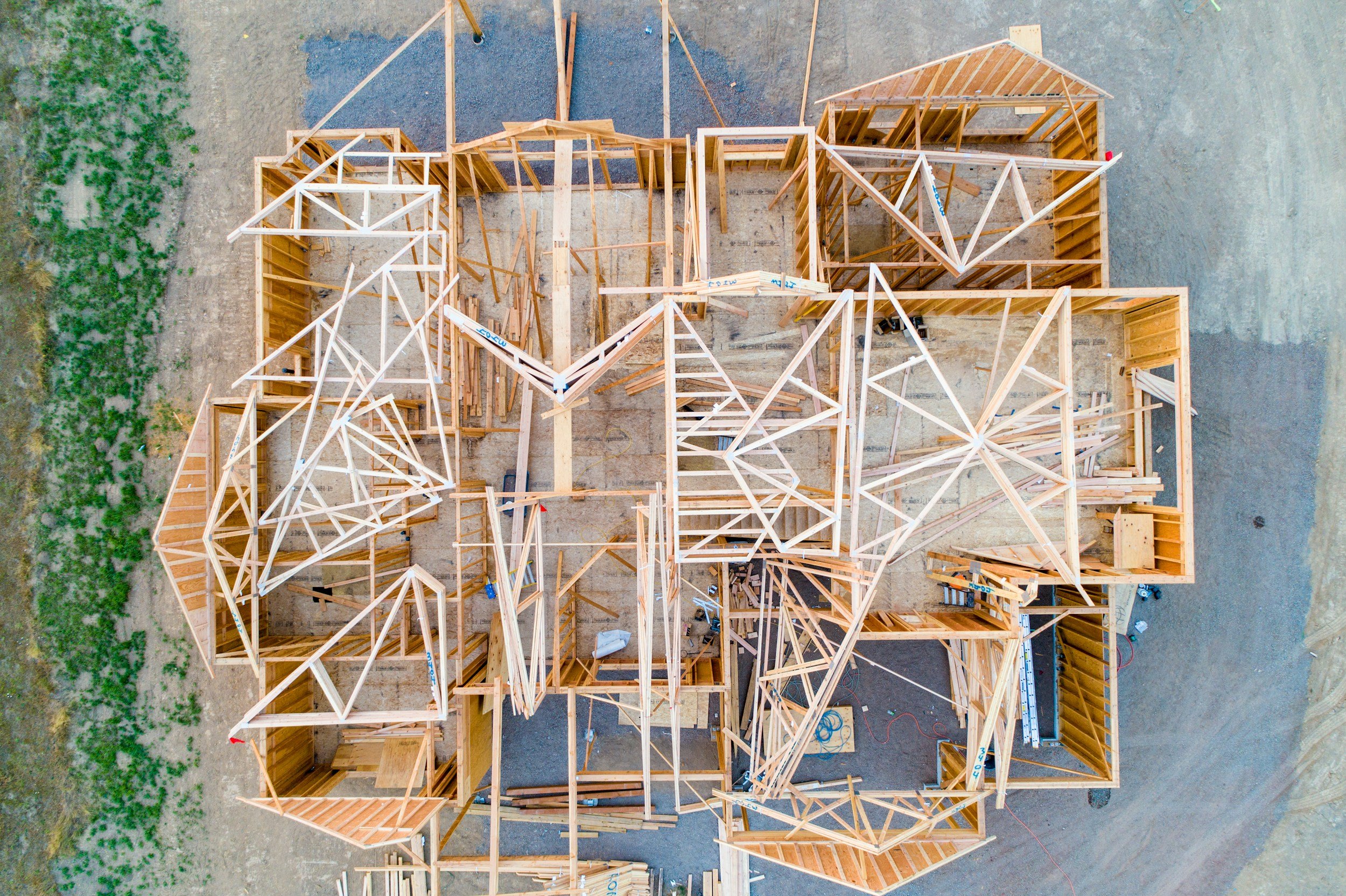
Why Safety Awareness Matters for Homeowners
Most homeowners assume that construction safety is handled entirely by the professionals onsite, and while reputable contractors do carry that responsibility, the reality is more collaborative. When work happens on your property, you remain present in ways that workers on a commercial site aren't. You walk past tools, drive in and out, let pets out, and may have children moving through the area. That proximity means you need a baseline understanding of how to navigate the space safely.
Beyond personal safety, awareness also helps you spot warning signs of a poorly run jobsite. A clean, organized, and well-managed site reflects a contractor's professionalism and reduces the risk of accidents, delays, and damage. This is one of the reasons it's so important to invest time in selecting the right builder from the very beginning, since their safety culture will directly affect your experience throughout the project.
What a Safe Jobsite Looks Like
A well-managed construction site has visible markers of safety that any homeowner can recognize, even without industry expertise. Knowing what to look for helps you feel confident in your contractor's practices and identify problems early.
A safe site typically includes the following elements:
Clear boundaries: Fencing, caution tape, or signage that defines where the active work zone begins and ends
Organized material storage: Lumber, tools, and supplies arranged in designated areas rather than scattered randomly
Proper waste management: Dumpsters or containers for debris, with nails, screws, and sharp materials cleaned up regularly
Personal protective equipment: Workers wearing hard hats, safety glasses, gloves, and steel-toed boots as appropriate
Equipment shut down at end of day: Power tools unplugged, ladders stored away, and machinery secured
Clear walkways: Pathways kept free of obstacles, cords, and tripping hazards
First aid and emergency contacts: Visible first aid kits and posted emergency information
When these elements are consistently present, it's a strong indicator that the crew takes safety seriously. The pre-construction planning phase plays a major role in establishing these practices, which is why understanding what happens during early construction sets clear expectations from day one.
Hazards Homeowners Should Be Aware Of
Construction sites contain hazards that aren't always obvious, especially to those who don't work in the industry. Being aware of the most common risks helps you make smart decisions about where to walk, where to let kids play, and when to keep your distance.
Heavy equipment, falling objects, and exposed materials create the most immediate dangers. Even smaller items like extension cords, scrap wood with protruding nails, or open trenches can cause serious injury if approached carelessly. Dust, paint fumes, and airborne particles from cutting or sanding can affect air quality both during work and after hours, which is why some homeowners prefer to relocate temporarily during major renovations. This is especially relevant during spring construction projects when site conditions can change quickly with weather.
Electrical hazards deserve special attention. Temporary wiring, exposed outlets, and unfinished electrical systems are common during builds. Never assume a wire is dead or an outlet is safe, and always ask the crew before plugging anything in or touching unfamiliar equipment.
Practical Safety Steps Homeowners Can Take
While your contractor manages the jobsite itself, there are specific actions you can take to protect your household and contribute to a safer overall environment. These steps don't require any technical knowledge and can be implemented from day one of your project.
Here are six practical safety measures every homeowner should follow during a construction project:
1. Establish Clear Boundaries with Your Family
Before work begins, have a conversation with everyone in your household about which areas are off-limits during construction. Show children where the work zone is and explain why they cannot enter, even when it appears quiet. Designate alternate play areas, parking spots, and entry points so daily life can continue with minimal disruption. The earlier these boundaries are set, the easier they are to maintain.
2. Keep Pets Safely Away from the Work Area
Pets are particularly vulnerable on a construction site. They can step on nails, drink from contaminated puddles, eat hazardous materials, or escape through gates left open by crews. Keep dogs and cats indoors or in a secured area far from the work zone during active hours. If your pet is anxious around noise, consider boarding or arranging a stay with a friend during the loudest phases of the build.
3. Communicate Regularly with Your Contractor
Strong, consistent communication is one of the best safety tools available. Ask your contractor for a weekly schedule so you know when crews will be onsite, when deliveries are expected, and when especially loud or disruptive work is planned. Let them know about any special considerations, such as family members with allergies, scheduled events at your home, or upcoming travel. This kind of dialogue is something we prioritize at Sidecar Construction because it benefits everyone involved.
4. Wear Appropriate Footwear When Walking the Site
If you need to walk through the work area to check progress, wear closed-toe shoes with sturdy soles. Sandals, flip-flops, and even running shoes offer little protection against nails, splinters, or sharp debris. Hard-soled boots are ideal. Avoid the site entirely during active equipment use, and never walk through a work zone during heavy lifting or framing operations.
5. Secure Your Belongings and Valuables
While reputable contractors take precautions to protect your home, construction crews and deliveries mean more people moving through your property than usual. Lock away valuables, important documents, and sensitive items in a secure area. Consider temporary security cameras or motion lights if extensive work will be happening over many weeks. Removing fragile items from areas near construction also prevents accidental breakage.
6. Know Who to Contact in an Emergency
Make sure you have direct contact information for your project manager, the lead foreman, and a backup contact in case of emergencies. Keep this information posted somewhere visible in your home. If you smell gas, see sparks, notice structural concerns, or witness an injury, you should know exactly who to call without having to search through paperwork.
Following these steps creates an environment where safety becomes part of the daily routine rather than an afterthought. Most issues can be prevented entirely with a little forethought.
Working with Contractors Who Prioritize Safety
The most important safety decision you'll make is choosing a contractor whose practices reflect a genuine commitment to protecting workers, homeowners, and properties. Reputable builders carry the right insurance, follow OSHA guidelines, hold regular safety meetings, and train their crews to recognize and address hazards before they cause problems. These habits show up in every detail of how a project unfolds, from how materials are stored to how cleanly the site is left at the end of each day.
When evaluating a contractor, ask about their safety record, insurance coverage, and how they handle incidents if they occur. Look at past projects to see how organized the sites appear in progress photos. Talk to references about their experience during the build, not just the finished result. Browsing a contractor's completed projects can give you a strong sense of their professionalism and approach to the work.
A good contractor will also be transparent about how they protect your home itself, using floor coverings, plastic sheeting, dust barriers, and other measures to keep finished spaces clean and undamaged while construction happens nearby. These small details matter just as much as the larger safety protocols.
Building Safely from Start to Finish
Construction site safety is a shared responsibility, and homeowners who take a few smart precautions go a long way toward protecting their families, pets, and property. By understanding what to expect, communicating openly with your contractor, and respecting the boundaries of the work zone, you create the conditions for a successful, low-stress build.
If you're planning a residential project and want to work with a team that takes safety as seriously as craftsmanship, reach out to Sidecar Construction. We'd be glad to discuss your project, answer your questions, and walk you through how we keep every jobsite organized, professional, and secure from groundbreaking to final inspection.
At Sidecar Construction, we're committed to delivering exceptional quality and service for all your construction needs. If you have any questions or are ready to start your next project, contact us today. Let's build something great together!