Choosing the Right Foundational Base for Your Build
Your foundation is the single most important structural element of any building project. It supports every wall, floor, and roof above it, and it determines how well your home will perform against settling, moisture, and shifting soil for decades to come. Yet many homeowners overlook this critical decision, focusing instead on finishes and layouts while leaving the foundation choice to default assumptions.
Whether you are planning a new construction project or a significant home addition, understanding the differences between foundation types will help you make a decision that protects your investment and supports your long-term goals.
Why Foundation Selection Matters More Than You Think
The foundation does more than hold your home in place. It manages moisture, insulates against temperature extremes, and distributes the full structural load of your building evenly across the soil beneath it. A poorly matched foundation can lead to cracking walls, uneven floors, persistent moisture problems, and costly repairs that far exceed what a better initial choice would have cost.
Foundation selection also directly affects your project timeline and budget. Some foundation types require extensive excavation and curing time, while others allow faster construction schedules. The right choice depends on a combination of factors unique to your property, your region, and your goals for the finished space. Working with an experienced construction team early in the planning process ensures that your foundation choice aligns with both the structural demands of your build and the realities of your site.
Common Foundation Types and How They Compare
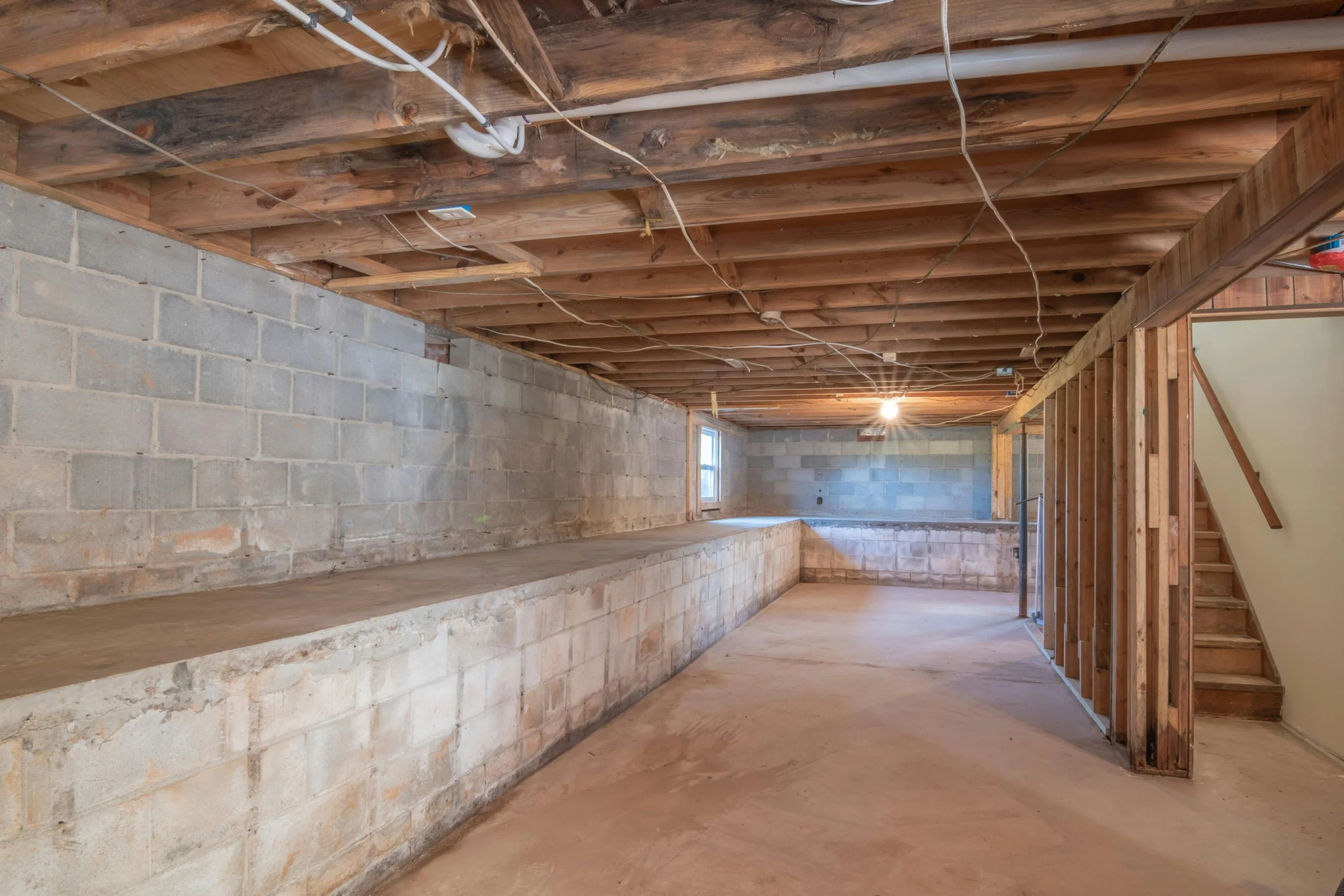
Not every foundation type works for every project. Each option carries distinct advantages and trade-offs depending on your climate, soil conditions, and how you plan to use the space above and below ground.
Slab-on-grade foundations are among the most common in warmer climates and areas with stable soil. A concrete slab is poured directly on the ground, creating a solid, level surface for the home above. Slab foundations are cost-effective, quick to install, and require minimal excavation. However, they offer no below-grade storage or utility access, and plumbing repairs can be more involved since pipes are embedded within the concrete.
Crawl space foundations elevate the home slightly above ground level, creating a shallow accessible area beneath the structure. This design is popular in regions with moderate moisture levels or uneven terrain because it provides access to plumbing and electrical systems while keeping the living space above potential flood zones. Crawl spaces do require proper ventilation and moisture barriers to prevent mold and structural deterioration over time.
Full basement foundations offer the most usable space below the main floor. They require the deepest excavation and the most significant investment, but they provide additional square footage that can serve as living areas, storage, or mechanical rooms. In areas with deep frost lines, basements make practical sense because the foundation walls already need to extend below the frost depth. Projects like a basement-to-living-space transformation demonstrate how this extra square footage can become a true extension of the home.
Pier and beam foundations use vertical columns driven deep into the ground to support horizontal beams that carry the structure. This approach works well on hillsides, flood-prone areas, or sites with expansive clay soils that shift seasonally. Pier and beam systems allow excellent airflow beneath the home and simplify future utility access, though they may require periodic releveling in areas with significant soil movement.
Key Factors That Influence Your Foundation Choice
Choosing the right foundation is not a one-size-fits-all decision. Several site-specific and project-specific variables should guide your selection.
Soil Composition and Stability
The type of soil on your property is one of the most important factors in foundation selection. Sandy and gravelly soils drain well and provide stable support, making them suitable for most foundation types. Clay-heavy soils expand when wet and contract when dry, creating movement that can crack rigid slab foundations. A geotechnical soil test before construction begins will reveal exactly what you are building on and help your team recommend the best approach.
Understanding what to expect during the early phases of construction can help you anticipate this step.
Climate and Frost Depth
In regions where the ground freezes, foundation footings must extend below the local frost line to prevent heaving and shifting. This requirement often makes basement foundations more practical in northern climates because the excavation depth is already substantial. In milder southern climates, slab and crawl space foundations are common because frost depth is minimal.
Drainage and Water Table
Properties with high water tables or poor natural drainage require foundations designed to manage moisture aggressively. Crawl spaces and basements in these areas need robust waterproofing systems, sump pumps, and drainage solutions to stay dry. In some cases, a slab foundation with proper grading may be the simplest way to avoid chronic moisture problems.
Budget and Timeline
Foundation costs vary widely. Slab foundations typically represent the lowest investment, while full basements carry the highest price tag due to excavation, forming, waterproofing, and finishing requirements. Your project budget should account not just for the initial construction cost but also for long-term maintenance and the potential value added by usable below-grade space.
How to Prepare Your Site for Foundation Work
Proper site preparation sets the stage for a foundation that performs well for the life of the building. Rushing this phase or cutting corners can lead to problems that are expensive and disruptive to fix later.
Here are five essential steps to prepare your site for foundation work:
1. Conduct a Professional Soil Analysis
Before any excavation begins, have the soil tested by a geotechnical engineer. This analysis reveals bearing capacity, moisture content, and composition, giving your builder the data needed to design footings and drainage systems correctly. Skipping this step is one of the most common sources of foundation problems in residential construction.
2. Establish Proper Grading and Drainage
The land around your foundation should slope away from the structure in all directions. Proper grading directs rainwater and snowmelt away from the foundation walls, reducing hydrostatic pressure and the risk of water infiltration. Your builder should also plan for gutter installation and drainage systems that complement the site grading.
3. Clear and Level the Building Area
Remove all vegetation, topsoil, and organic material from the footprint of the foundation. Organic material decomposes over time, creating voids beneath the foundation that lead to settling. The excavated area should be leveled and compacted to provide a uniform bearing surface. Reviewing best practices for spring site preparation can help you plan around seasonal soil conditions.
4. Install Erosion and Sediment Controls
During excavation, exposed soil is vulnerable to erosion from rain and runoff. Installing silt fences, sediment basins, and temporary drainage channels protects both your site and neighboring properties. Most local building codes require erosion control measures before any ground disturbance begins.
5. Verify Utility Locations and Setbacks
Before digging, confirm the location of all underground utilities and verify that your foundation placement complies with local setback requirements. Utility strikes during excavation create safety hazards and costly delays, while setback violations can require you to relocate the foundation entirely.
Taking these steps before the first shovel hits the ground protects your project from avoidable problems and gives your foundation the best possible start.
The Role of Insulation and Moisture Protection
A foundation is only as good as the systems that protect it from the elements. Insulation and moisture management are not afterthoughts; they are integral to foundation performance.
Insulation along foundation walls and beneath slabs reduces heat loss, prevents condensation, and improves the overall energy efficiency of your home. Rigid foam insulation is the most common choice for below-grade applications because it resists moisture absorption and maintains its thermal value even in damp conditions.
Waterproofing membranes applied to the exterior of foundation walls create a barrier against water penetration. Combined with a perimeter drainage system (often called a French drain) and properly functioning gutters, these layers of protection work together to keep the below-grade environment dry. Homes in areas with heavy rainfall or high water tables benefit significantly from investing in premium waterproofing systems during initial construction, since retrofitting these systems later is far more disruptive and expensive.
Vapor barriers beneath slab foundations and within crawl spaces prevent ground moisture from migrating upward into the living space. Without these barriers, moisture can damage flooring, promote mold growth, and degrade indoor air quality over time.
Partnering with the Right Builder for Your Foundation
The complexity of foundation work makes it essential to choose a builder with proven experience in your specific soil conditions, climate, and foundation type. A qualified builder will coordinate soil testing, engineering, excavation, forming, pouring, waterproofing, and inspection as a seamless process rather than a series of disconnected tasks.
When evaluating builders, ask about their experience with the foundation type you are considering and request references from similar projects. Selecting the right builder is one of the most impactful decisions you will make during the entire construction process. At Sidecar Construction, we guide homeowners through every phase of the build, from initial site assessment to final inspection, ensuring that the foundation beneath your home is built to last.
Conclusion
Your foundation shapes the performance, durability, and comfort of everything built above it. By understanding the options available, evaluating your site conditions, and investing in proper preparation and protection, you can make a foundation choice that supports your home for generations. Contact Sidecar Construction to start the conversation about your next project.
At Sidecar Construction, we're committed to delivering exceptional quality and service for all your construction needs. If you have any questions or are ready to start your next project, contact us today. Let's build something great together!