Year-End Home Improvement Projects to Consider
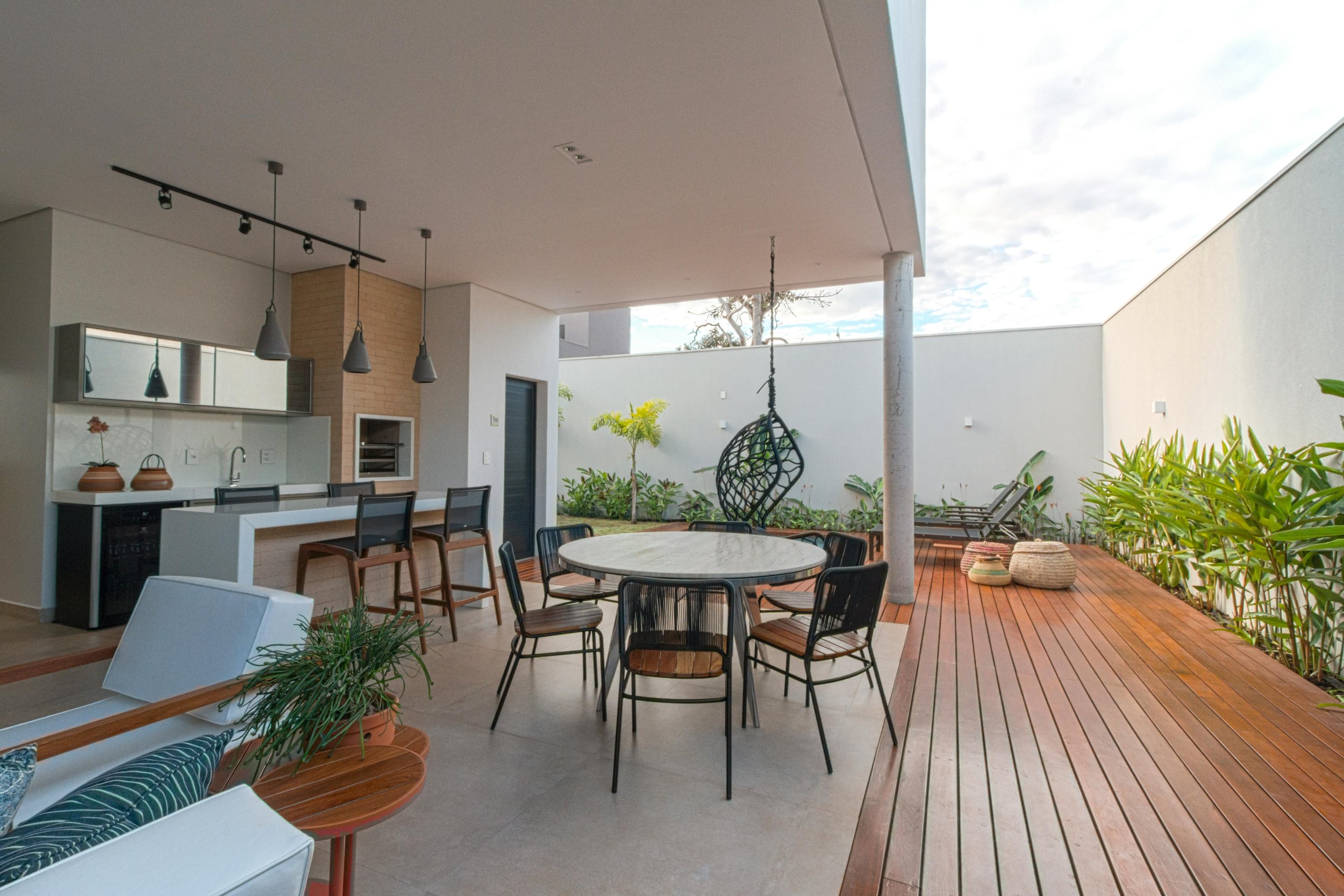
As the year draws to a close, homeowners have a unique opportunity to maximize both their property value and potential tax benefits through strategic home improvement projects. The final months of the year offer distinct advantages for renovation work, from contractor availability to budget planning for the upcoming year. Whether you're looking to refresh your interior spaces, protect your home from winter weather, or plan major renovations for spring, now is the ideal time to evaluate your property's needs and take action. Understanding which projects deliver the greatest impact when completed before year-end can help you make informed decisions that benefit both your home and your financial planning.
Interior Refresh Projects
The colder months provide the perfect opportunity to focus on interior improvements that enhance your living spaces. These projects transform your home's appearance and functionality while creating a comfortable environment for family gatherings and winter months ahead.
A fresh coat of paint ranks among the most cost-effective ways to transform your home's interior before year-end.
Minor kitchen renovations completed before year-end can provide immediate enjoyment during holiday entertaining while potentially qualifying for tax deductions.
Bathroom updates improve daily functionality and add significant value to your property when completed strategically.
Completing these interior projects before year-end allows you to enjoy the improvements during the holiday season while taking advantage of year-end pricing from contractors and potential tax benefits for qualifying upgrades.
Exterior Protection and Enhancement
Winter weather demands that your home's exterior systems function at peak performance. Addressing these critical areas before harsh conditions arrive protects your investment and prevents costly emergency repairs during the coldest months.
Roof Maintenance and Repairs
Your roof faces its greatest challenges during the winter months, making year-end attention crucial for protection. Address these essential tasks to safeguard your home.
Complete Comprehensive Inspections
Professional roof assessments identify vulnerabilities before winter weather exposes them, allowing proactive repairs that prevent damage.
Address Missing or Damaged Shingles
Replacing compromised roofing materials before snow and ice arrive prevents water infiltration that leads to interior damage and costly repairs.
Clear Debris and Prepare Drainage
Removing accumulated leaves and debris ensures proper water flow and prevents ice dam formation during freeze-thaw cycles.
Evaluate Long-Term Replacement Needs
If your roof shows significant age or widespread damage, planning a complete replacement for early next year positions you ahead of the spring rush.
Gutter System Evaluation
Your gutters work overtime during winter, making a year-end evaluation essential. Inspect for clogs, damage, and proper function before freezing temperatures arrive. Consider whether gutter replacement or professional maintenance will serve your needs better. Installing gutter guards before winter reduces maintenance requirements and prevents ice dam formation that damages both gutters and roofing systems.
Exterior Painting and Weatherproofing
Late fall often provides ideal conditions for exterior painting projects in many climates. Moderate temperatures and lower humidity create optimal curing conditions for paint and sealants. Fresh exterior paint protects against moisture infiltration while enhancing curb appeal. Weatherproofing services completed before winter prevent drafts, reduce energy costs, and protect vulnerable areas from freeze-thaw damage that compromises structural integrity.
Energy Efficiency Upgrades
Year-end presents an ideal opportunity to implement energy-saving improvements that reduce utility costs throughout the coming year while potentially qualifying for tax credits and rebates. Follow these strategic steps to maximize efficiency gains.
1. Assess Insulation Performance
Evaluate your home's insulation levels in attics, walls, and crawl spaces to identify areas where improved insulation will deliver immediate heating cost reductions.
2. Upgrade Windows and Doors
Replace drafty windows and doors with energy-efficient models that qualify for year-end tax credits while reducing heat loss during winter months.
3. Implement Smart Home Technology
Install programmable thermostats, smart lighting systems, and automated climate controls that optimize energy usage and provide long-term savings on utility costs.
4. Seal Air Leaks
Identify and seal gaps around windows, doors, electrical outlets, and plumbing penetrations to eliminate drafts that force heating systems to work harder and consume more energy.
Completing these improvements before year-end allows you to realize immediate energy savings during the peak heating season while maximizing available tax incentives and manufacturer rebates that may change in the new year.
Planning Major Projects for Spring
While some projects require warmer weather, year-end provides the perfect planning window for major renovations that will begin once conditions improve. This strategic timing ensures contractor availability and better pricing.
Planning home additions during the winter months allows thorough design development and permit acquisition. Contractors appreciate the lead time for scheduling, and you'll secure preferred dates before the spring construction rush. Winter planning also provides time to explore financing options, select materials, and make design decisions without time pressure. When spring arrives, your project can begin immediately rather than competing for contractor attention with others who waited until warmer weather to start planning.
Design your deck or patio addition during the winter months when you're not using outdoor spaces. This planning period allows thoughtful consideration of layout, materials, and features that will enhance your property. Year-end planning ensures construction can begin as soon as weather permits, allowing you to enjoy new outdoor living areas throughout the prime season rather than watching construction progress while perfect weather passes.
Major renovation projects benefit enormously from winter planning. Design consultations, material selection, and contractor agreements completed before year-end position your project for smooth execution. This approach avoids the spring rush when contractors become overwhelmed with requests. Early planning also allows time to explore multiple design options, obtain competitive bids, and make informed decisions about scope and budget without feeling rushed into commitments.
Budgeting and Tax Considerations
Year-end home improvements offer unique financial advantages that extend beyond the projects themselves. Understanding these benefits helps maximize your investment returns and overall financial planning.
Year-End Financial Planning
Completing qualifying home improvements before December 31st allows you to claim available tax deductions and credits on your current year's tax return. Energy efficiency upgrades often qualify for federal tax credits, while certain accessibility improvements may provide additional benefits. Consult with your tax professional to understand which projects offer the greatest tax advantages for your situation. Some homeowners choose to accelerate planned improvements into the current tax year to maximize deductions, while others may split projects across years to optimize tax benefits over time.
Contractor Scheduling Advantages
The year-end period often sees reduced demand for contractor services, creating opportunities for better pricing and more flexible scheduling. Many contractors offer discounts to fill their schedules during traditionally slower months. You'll also receive more personalized attention when contractors aren't juggling multiple urgent projects simultaneously. This environment benefits homeowners through better communication, fewer delays, and higher quality workmanship from professionals who can focus fully on your project rather than rushing between multiple job sites.
Project Timeline Optimization
Planning major projects for year-end execution or early-year start dates positions you ahead of the spring construction rush. Materials become more readily available, and supply chain pressures decrease during the winter months. This timing advantage means fewer delays, better material selection, and smoother project execution. For projects requiring permits, winter application periods typically see faster processing times as building departments handle fewer requests compared to spring and summer peaks.
Conclusion
Year-end home improvement projects offer strategic advantages that extend well beyond simple renovations. From immediate tax benefits and contractor availability to setting your home up for successful spring projects, the final months of the year provide unique opportunities for property enhancement. Whether you're refreshing interiors, protecting your home's exterior, or planning major renovations for warmer weather, taking action now delivers both immediate and long-term value. At Sidecar Construction, we help homeowners maximize year-end opportunities through expert planning, quality craftsmanship, and strategic project timing. Contact us today to discuss your year-end home improvement goals and discover how we can help you finish the year strong while preparing for an even better new year ahead.
At Sidecar Construction, we're committed to delivering exceptional quality and service for all your construction needs. If you have any questions or are ready to start your next project, contact us today. Let's build something great together!